
The Casamonti Collection celebrates 20th-century Italian art
An encyclopaedic museum that traces, in chronological order, the works collected by the gallery owner Roberto Casamonti from the late nineteenth century to the present day

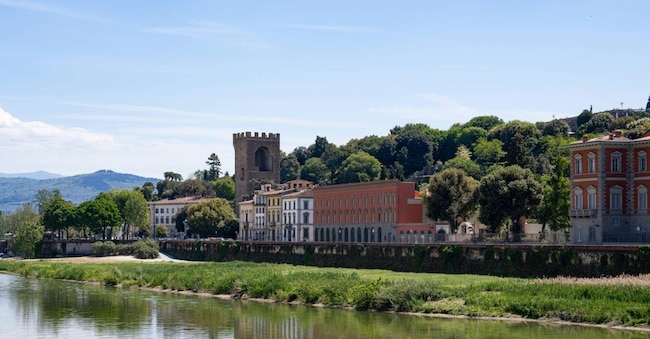
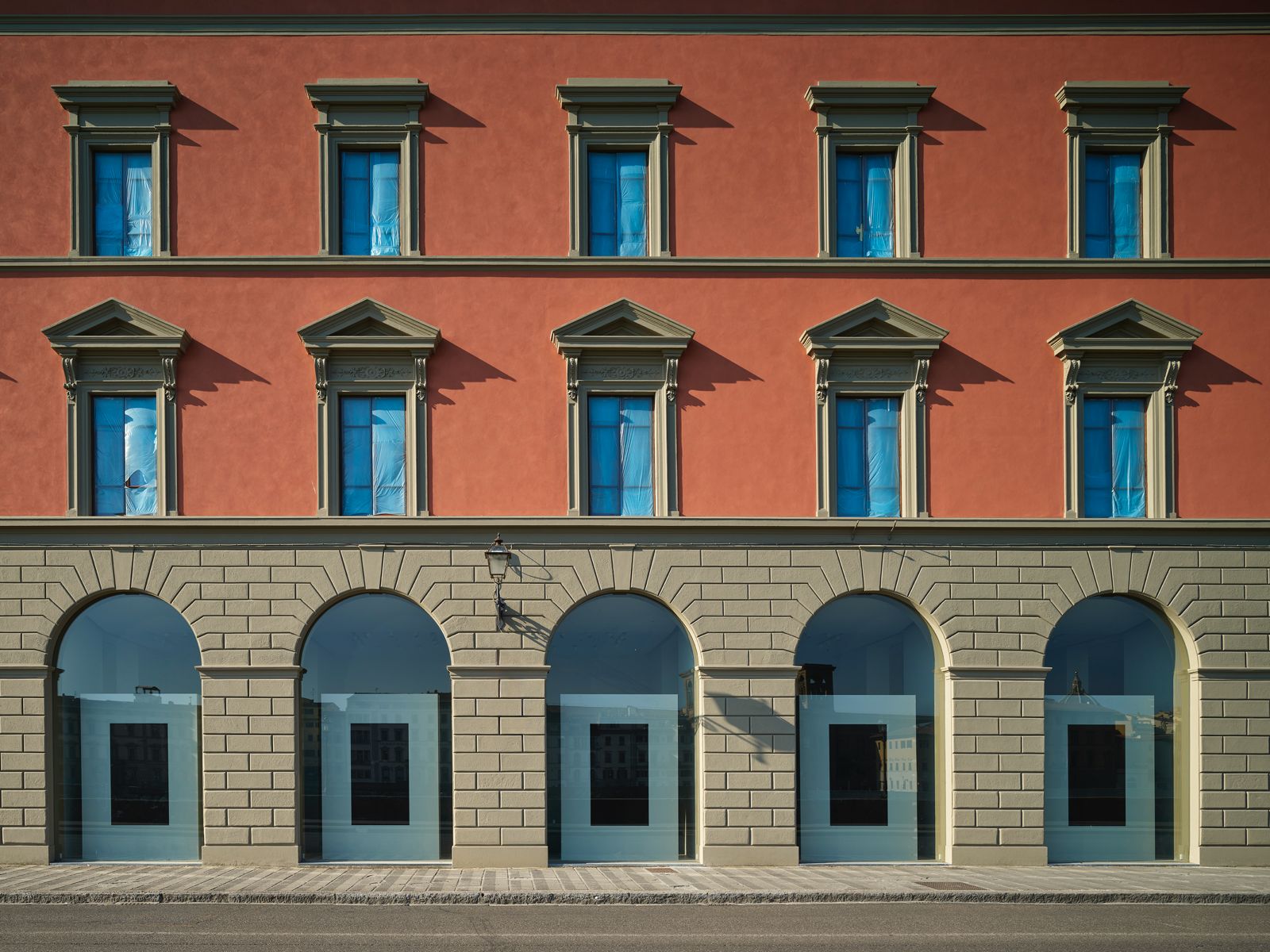
To summarise the Casamonti Collection, which opened on 25 September in Florence at Palazzo San Giorgio, the most appropriate term is ‘encyclopaedic’. The eponymous Association for Art and Culture is responsible for managing the 28 exhibition rooms on the Lungarno, making over 250 works owned by Roberto Casamonti, who founded the Tornabuoni gallery in Florence in 1981, accessible to the public. one of the most significant international figures in post-war Italian art.
The 86-year-old gallery owner’s insatiable passion for art – she is a constant presence at art fairs, including the most recent International Antiques Biennale in Florence – is reflected in the great diversity of works that bring the galleries to life, spread across two superimposed floors and arranged largely in chronological order. This choice facilitates an ‘old-fashioned’ educational approach, which has unfortunately been consigned to oblivion by the directors and curators of many public museums; paradoxically, they seem to behave like collectors driven by their own subjective choices, which, in this instance, are paradoxically pushed into the background.
For the founder and his family, this marks an important milestone, enabling a significant expansion of public access (an admission fee of 15 euros is planned) compared with the previous venue, which opened in 2018 on the main floor of Palazzo Bartolini Salimbeni: the space, renovated by Archea Associati (with the expert touch of the founder’s son, the architect Marco Casamonti), is every bit as good as any established museum.
For students and members of the public new to art, the guided tour led by Jonathan Paonetti is essential for navigating over a century of works and finding one’s bearings amidst a visual density that few museums can match.
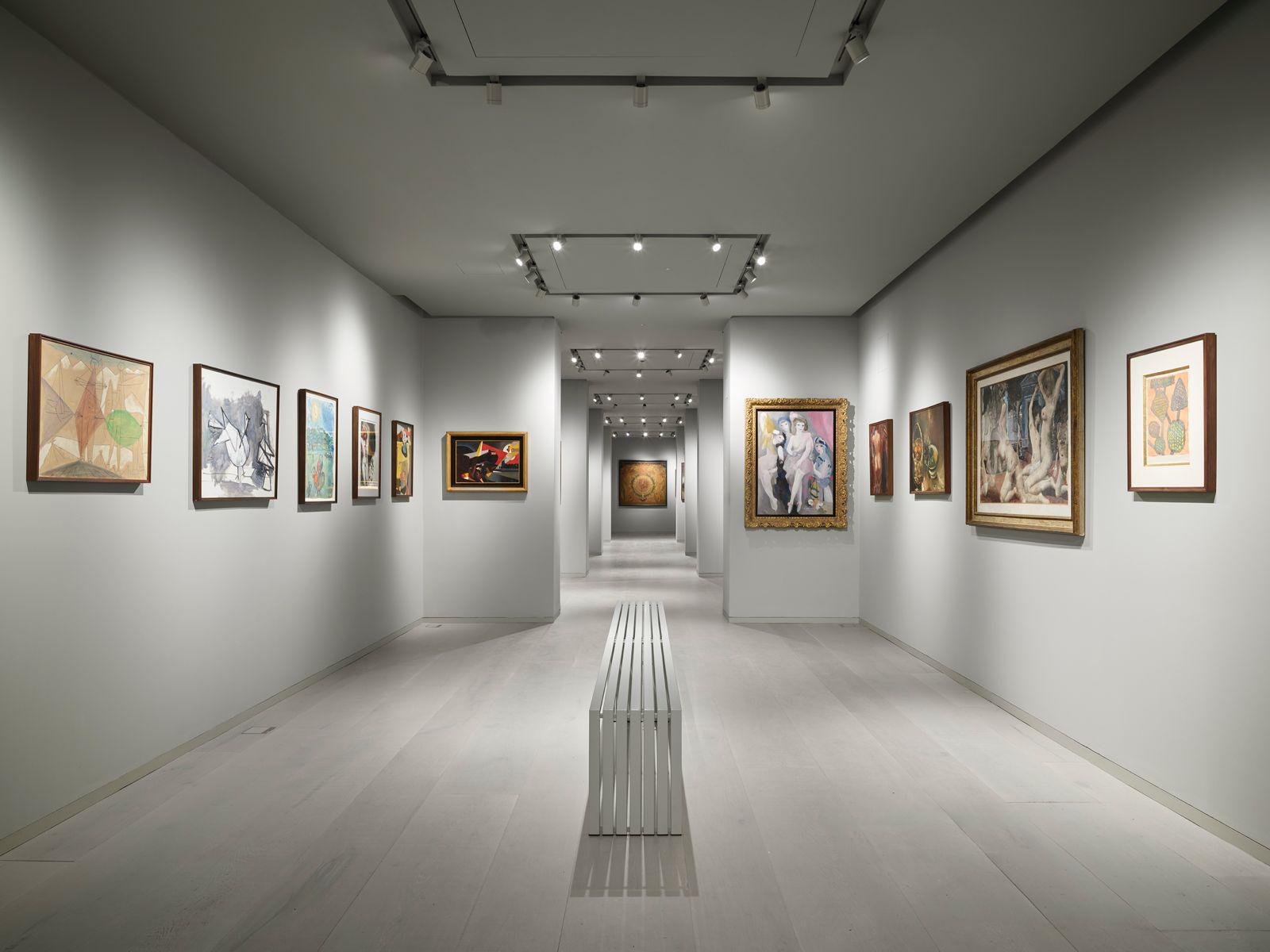
An encyclopaedic collection
The list of names begins with Abramovic and ends with Zorio, spanning generations from Giovanni Fattori to Francesco Vezzoli, covering all the significant movements of the 20th century, with a strong emphasis on painting but without overlooking more experimental forms such as the performance photography of Vanessa Beecroft, and a moving video by Bill Viola.
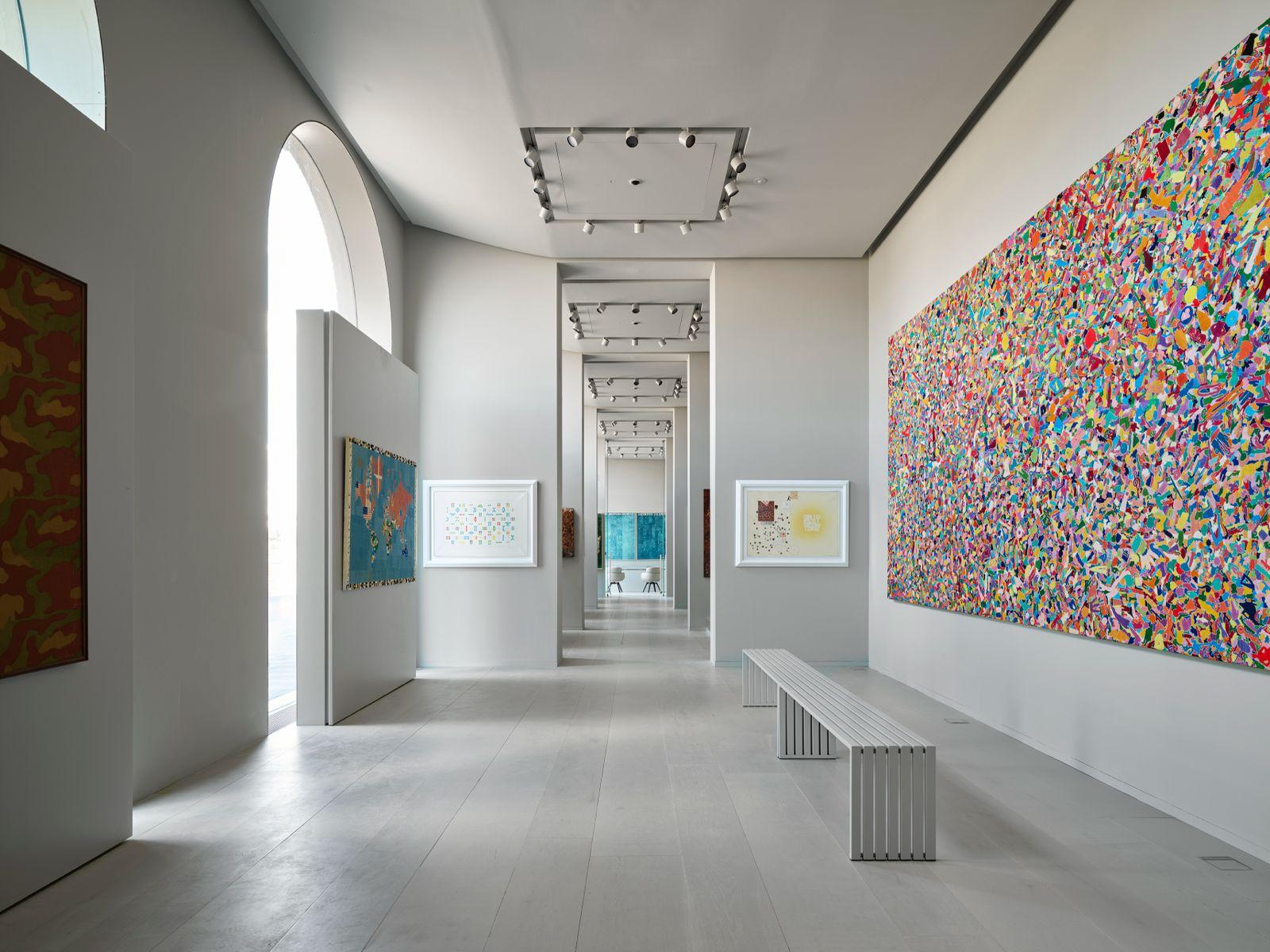
The selection is not, therefore, limited – as one might (wrongly) imagine – to the works featured by the gallery; the choice of pieces prioritises historical and symbolic value over commercial value. Nevertheless, there is no shortage of works worth millions, such as an immense ‘Tutto’ by Boetti – a tapestry measuring almost six metres – but the curators prefer to showcase a 1958 ‘aniline’ work by Fontana and one of his ceramics from the 1930s, rather than the usual regular ‘cuts’ favoured by the market.
It is difficult to estimate the total market value of the collection as a whole, though it is certainly in the tens of millions of euros, thanks in part to sought-after international pieces, such as a large 1984 work by Basquiat, and works by Kandinsky, Klee and Picasso. It is precisely this comparison with these major international names that highlights the value of contemporary Italian artists who are less well-known beyond Italy’s borders.
.jpeg)

