Ceratosaurus and the Mars meteorite: record-breaking science
Arriving or literally falling from the sky: wonders of nature, terrestrial and extraterrestrial. Under the hammer, they are sophisticated collectors' items, capable of reaching million-dollar prices
4' min read
Key points
4' min read
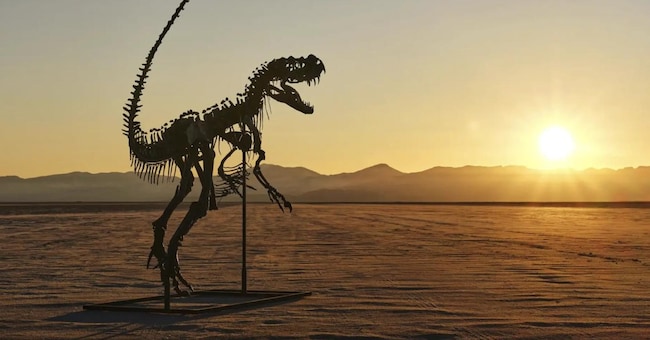
One hundred and fifty million years old and not feeling it. Or rather: feel them all at the record-breaking Sotheby's New York auction called 'Natural History, Including The Juvenile Ceratosaurus, and the Largest Piece of Mars on Earth' (16 July 2025). "He" is a ceratosaurus (literally: "horned lizard") non-adult fossil in excellent condition - one of only three extant in the world - which fetched the monstrous price of $30.5 million (the estimate started at $6 million). Discovered in the Bone Cabin Quarry in Wyoming in 1996, this carnivorous, tricorn reptile, dating from the Late Jurassic (154-159 million years ago, in the midst of continental drift) is about 1.80 metres high and 3.35 metres long and has 139 original bones.
Dinosaurs and fossils up for auction: the latest Jurassic record
According to Cassandra Hatton, vice-president for science and natural history at Sotheby's, this ceratosaur is "a true marvel of prehistoric preservation, a specimen that combines scientific rarity with natural beauty. One of the finest dinosaur fossils ever placed on the market, it arrived at the world's oldest auction house via Fossilogic, a specialist in fossil restoration'. The entire auction was a success, with a 95% sell-through rate (six unsold lots out of 122) and substantial revaluations.
Resting among the fossils: a tyrannosaurus foot (lot 19) realised $1,758,000 from a low estimate of $250,000; a pachycephalosaur skull came in at the same price. Someone bought a large tyrannosaurus tooth for $88,900 (starting at 40,000). A titriceratops horn changed hands for $38,100. It is not uncommon for auction houses to devote entire sales sessions to fossils and other wonders of nature (especially in times of art market stagnation). Suffice it to recall 'Stan', the tyrannosaurus rex carcass (67 million years old) which, at the height of the pandemic (October 2020), fetched nearly $32 million at Christie's from a low estimate of 6 amidst works by Cézanne, Picasso, Pollock, Monet, Rothko, Twombly. Or the most expensive ever, the stegosaurus 'Apex' (150 million years old), in July 2024 sold at Sotheby's for $44.6 million.
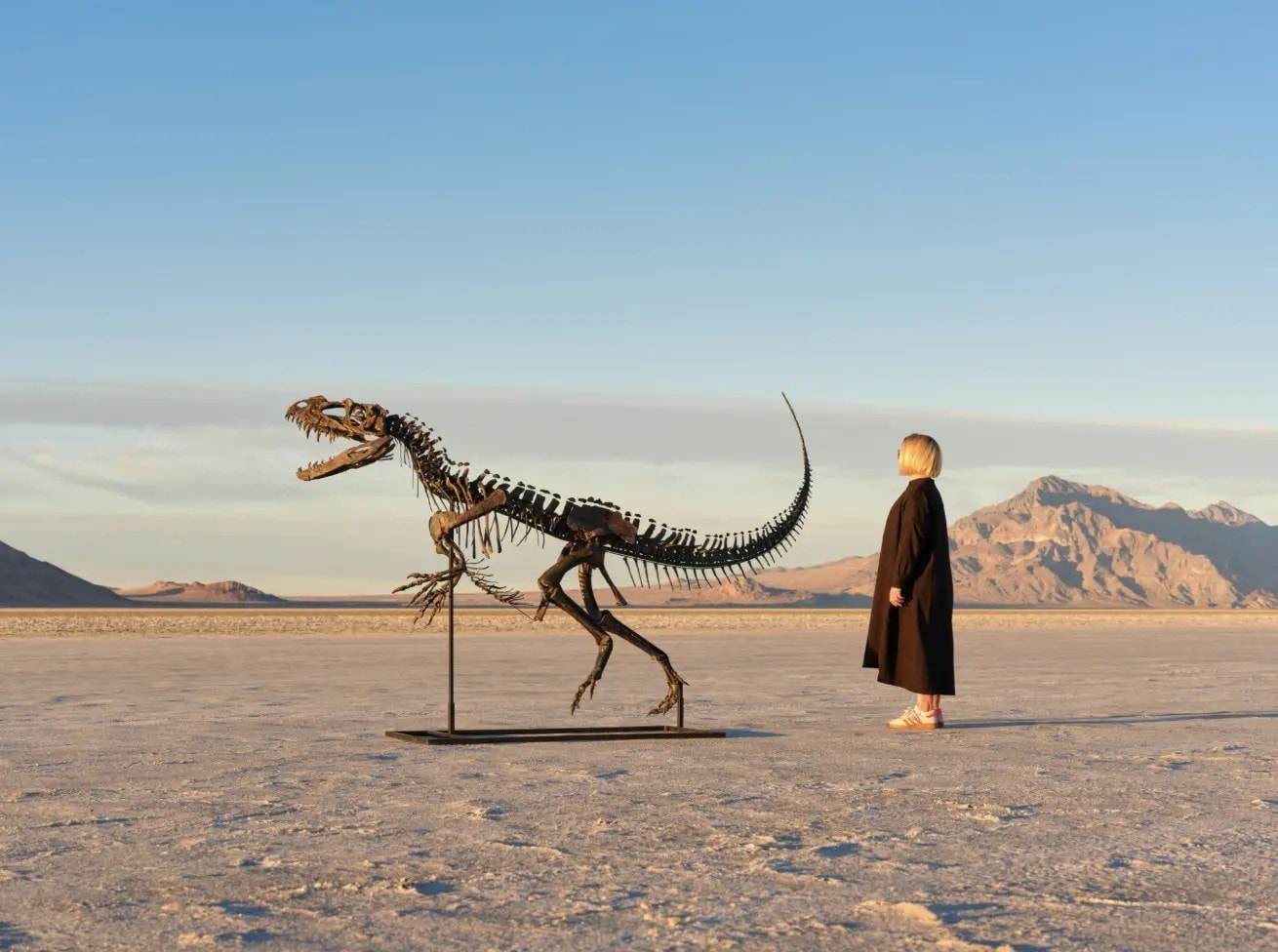
The most expensive extraterrestrial rock ever at auction
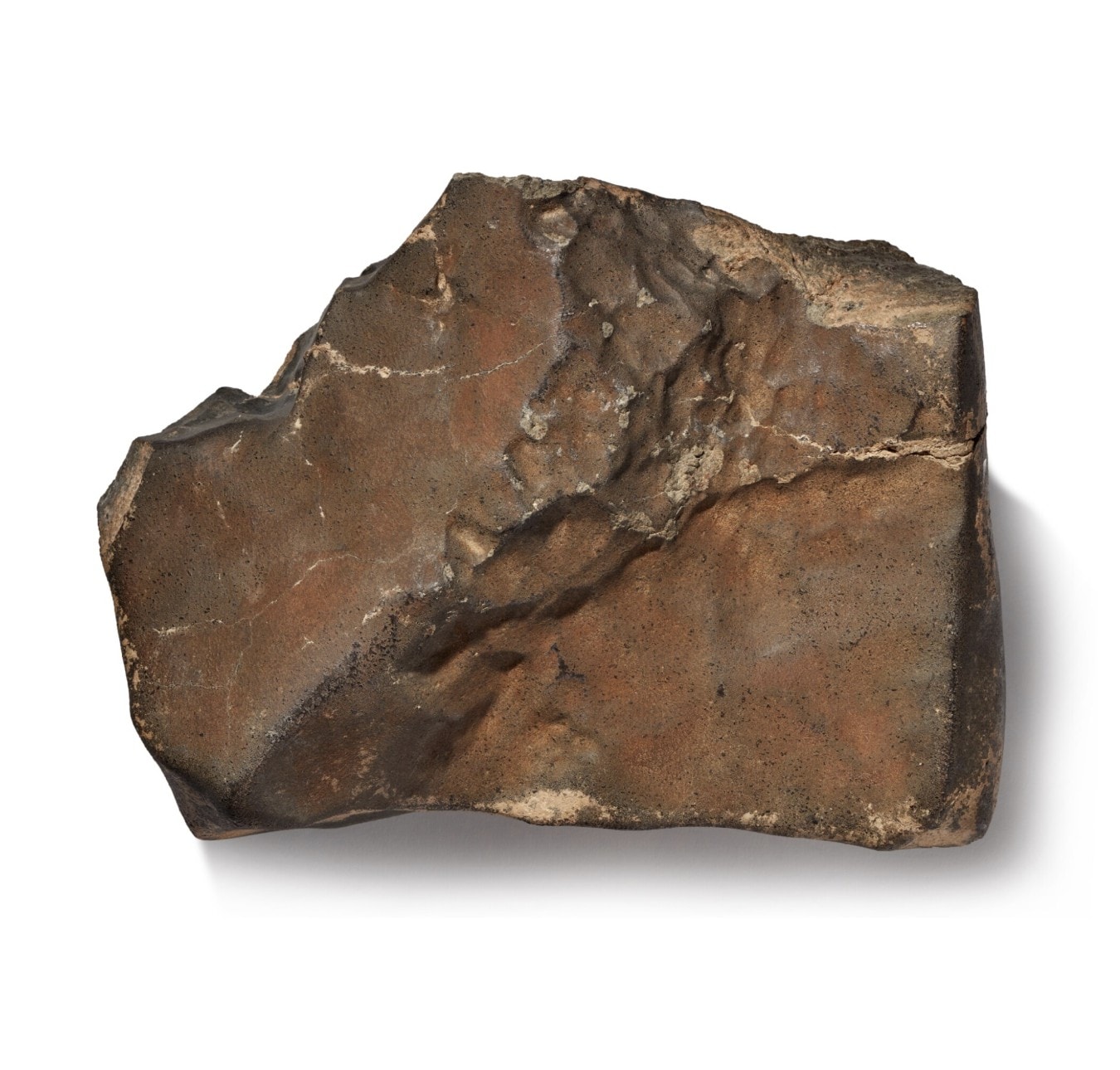
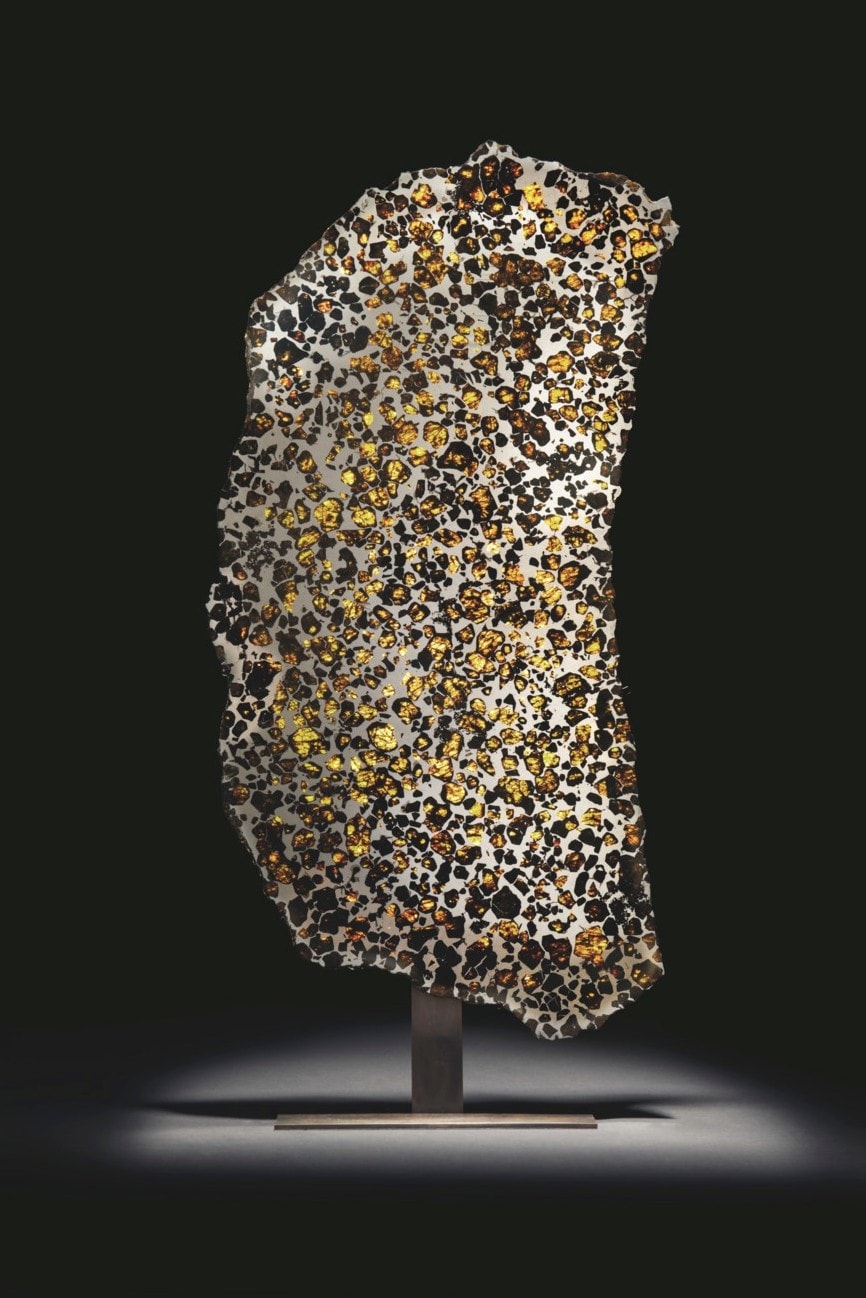
.Adding to the collector's fascination with the remote in time is the fascination with the remote in space. And the auction of the ceratosaurus gave a new all-time record for a space rock in this respect: $5,296,000 for the largest piece of Mars on Earth, NWA 16788. Discovered in 2023 by a meteorite seeker in the Agadez region of Nigeria, it arrived on Earth due to the violent impact of an asteroid on the Red Planet. Among the meteorites most prized by collectors are the astonishing pallasites - swarms of luminous olivine crystals immersed in an alloy of iron and nickel - such as the one from Seymchan (Russia) or the splendid one from Fukang (China). A slice of the Fukang pallasite is Christie's top lot among space rocks: £525,000 in 2021. But it is not only meteorites that have a collector's ascendancy.
Crystals and Earth Minerals, Precious as Gems
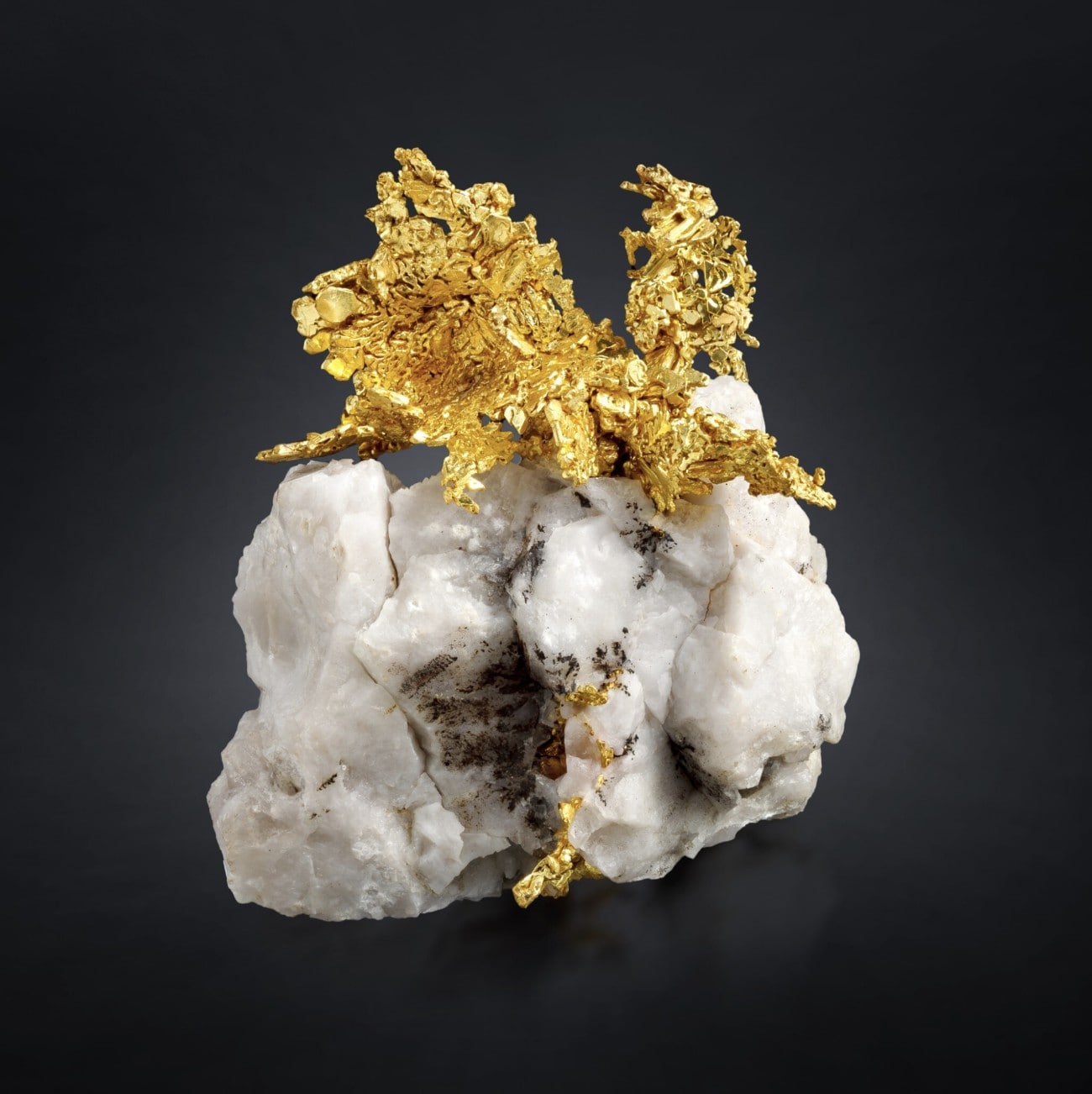
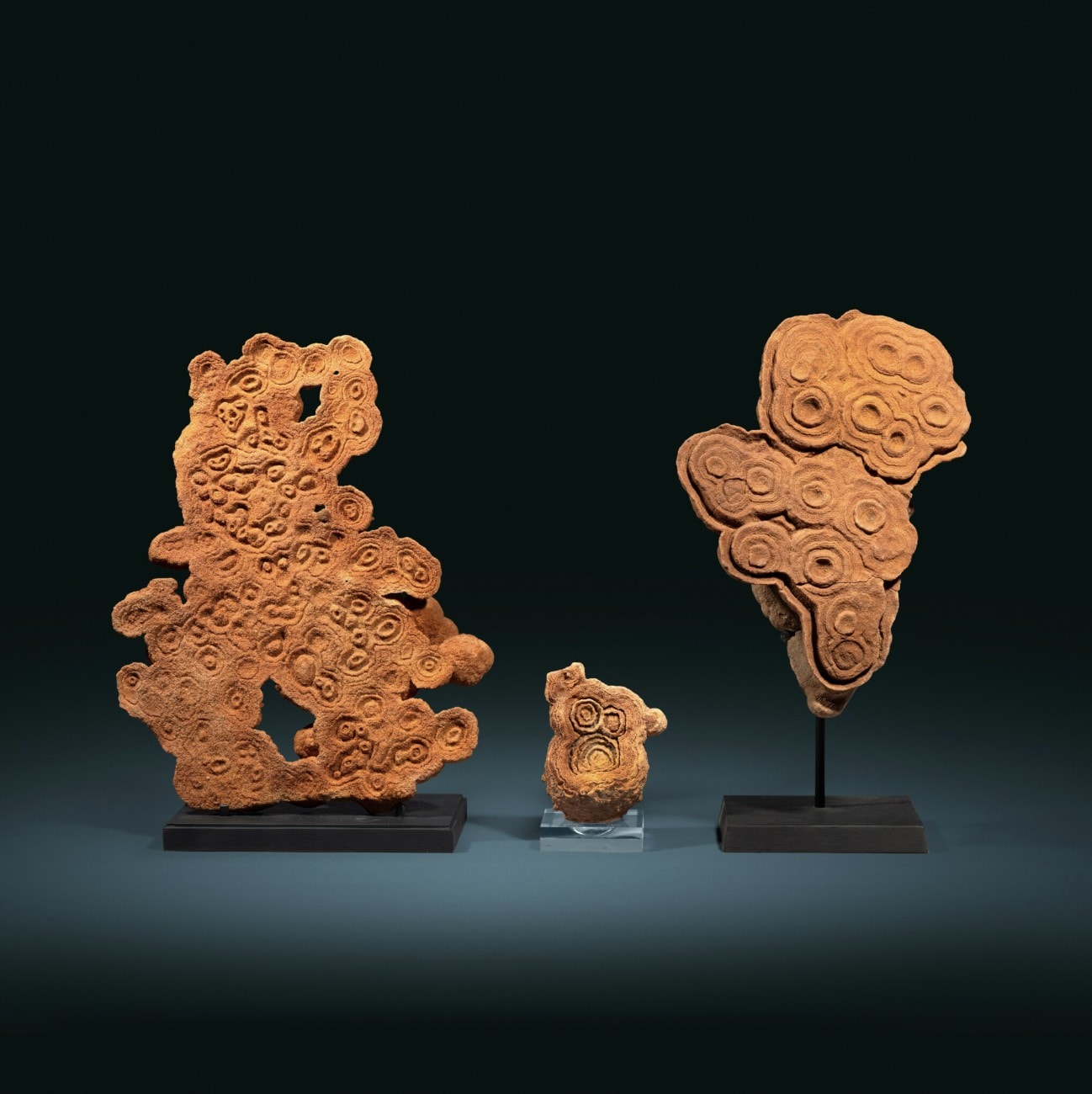
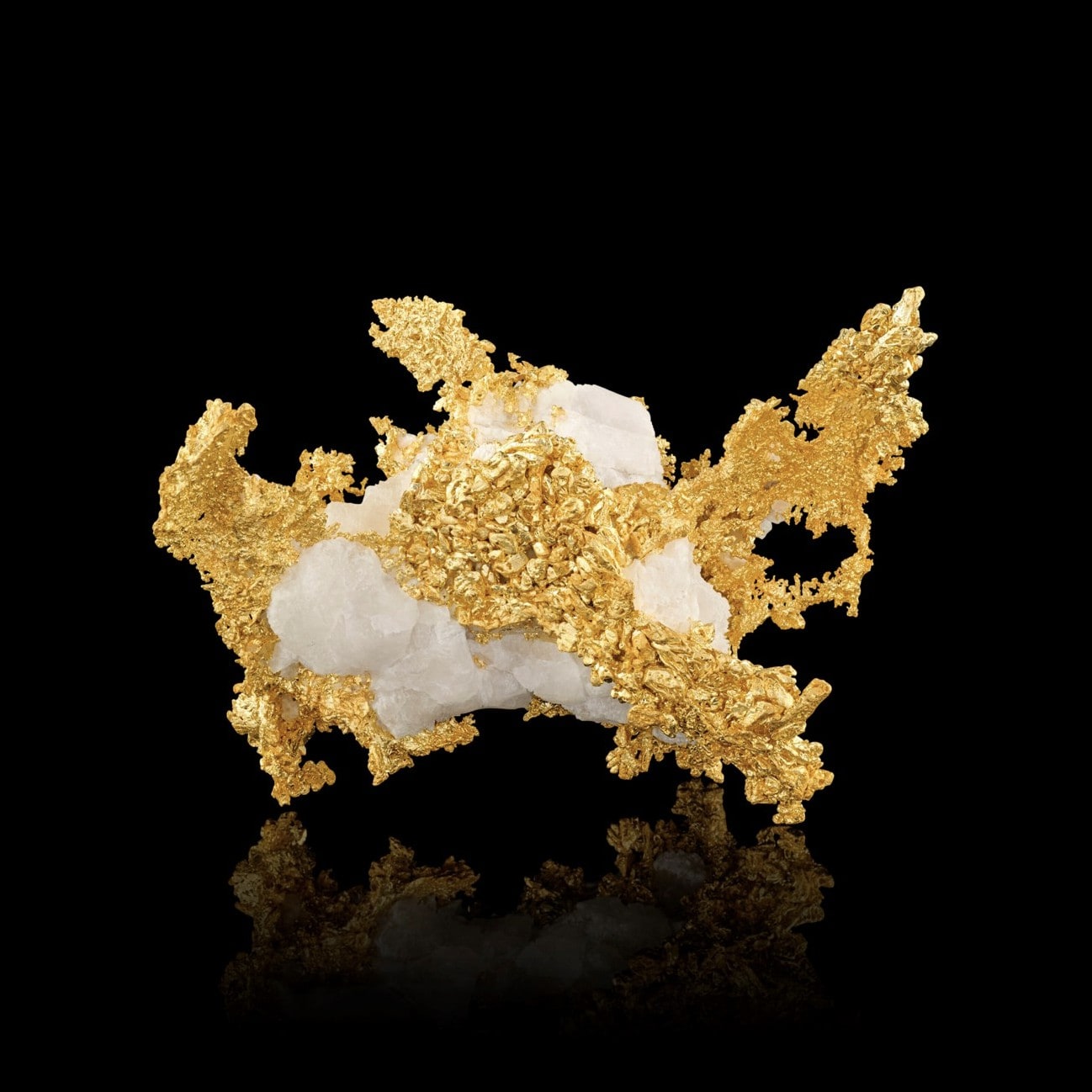
.Also included in the auction catalogues of these types of collectables are rocks, minerals and terrestrial crystals. Objects that can be contiguous in value and composition to precious gems ($95,250 at Sotheby's on 16 July 2025 for aquamarine crystals on a matrix). A related and much sought-after category are the natural leaves of pure gold, sometimes combined with pieces of quartz ($50,800 at Sotheby's for lot 56, also in the Natural History auction of 16 July 2025; CHF 37,500 at Christie's for a 127-gram specimen in the Jewels Online auction of November 2023). Also coveted and expensive are the snow-white gogotte, aggregations of sandstone found in the mineral-rich waters of Fontainebleau (France) dating back 30 million years, resembling surrealist works of art rather than the calcium carbonate and quartz concretions they are. Some can be admired at Versailles, thanks to the Sun King (Louis XIV, 1643-1715) to whom we owe the first excavations. But the journey back in time can be even longer, reaching billions of years back: in July 2023, Sotheby's sold a trio of stromatolites found in Morocco and dating back 2.5 billion years, at the height of the Precambrian era. The price? In this case, relatively affordable: $1,270.
Collecting natural and scientific objects
.Science-related sales are structured, curated and organised on a regular basis by the departments in charge. "The science and natural history department was created in 2016 with two sales a year to satisfy the growing appetite of collectors," says James Hyslop, headof Science and Natural History at Christie's.
Or perhaps the supply has increased? "A mix of both," replies Cassandra Hatton, "the market has expanded enormously and we have seen a growing demand from customers in all categories of collecting - so it made sense to create a dedicated department.