Is the chabot dead? No, actually something much more interesting is happening

A rumour crosses Silicon Valley and bounces all the way to the pages of the Financial Times: OpenAI is allegedly preparing the retirement of ChatGPT. Put like that, it sounds like sensational news. A bit like Netflix deciding to shut down its streaming or Google its search engine. But it is a superficial reading.
ChatGPT is not about to disappear. It is about to become something else. And perhaps that is the most important signal about the evolution of artificial intelligence. The end of chat. Since 2022 we have learned to associate AI with a dialogue box. We write a question. The machine answers. It was the format that brought artificial intelligence into the homes of hundreds of millions of people. Simple, intuitive, universal.
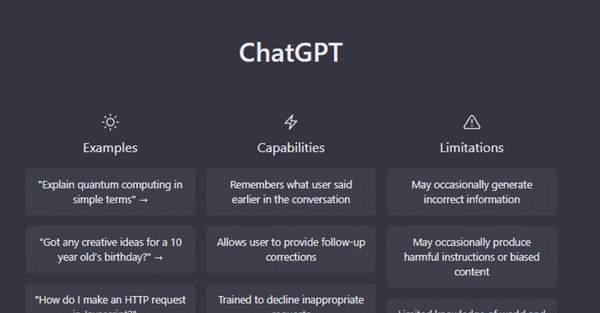
But chat is also a limitation.
Every time we open ChatGPT we are telling the machine what to do. Each time we have to explain the context, make requests, correct the pitch. It's like having a brilliant assistant next to us but constantly waiting for instructions. A Know-it-all who, however, doesn't learn how to work with us, just amazes but doesn't serve. OpenAI seems to have realised that the next technological leap is not about improving answers. It consists in reducing the need to ask questions.
From oracle to collaborator
If the chatbot is a consultant explaining how to organise a trip to London, an intelligent agent books the flight, chooses the hotel, updates the calendar and prepares the notes for the meeting. The difference seems subtle. In reality it is the same as between reading a map and getting into a taxi. And that is precisely the reason for the change. Having overcome the wild marketing phase, having overcome the challenge that turned us all into beta-testers of the technology, OpenAI realised that pleasing the general public costs too much. The first signal came with Sora, OpenAi's video generator. Presented as a revolution that would make us all film producers and directors, it soon became a very expensive Ai Slop generator, artificial rubbish, to feed social. The stuff of teenagers who have embraced technology to create vulgar cartoons and repulsive creatures. So much for curing cancer. Sora's Ai would not improve humanity but make visible the most demenational aspect of man. In less than two years after its launch Sora was thus shut down without much celebration. A few months later there was a change of strategy, which is not yet official but is in the cards, at least to see the latest agent management projects launched by OpenAI.
In fact, there is an economic issue behind this turnaround.
ChatGPT has been the fastest growing technology product in recent history. It has attracted almost a billion users and turned OpenAI into the symbol of the artificial intelligence era. But notoriety does not necessarily coincide with profitability. Most users use the platform for free. Meanwhile, training and operating increasingly sophisticated models requires gigantic investments in data centres, chips and infrastructure. For a company looking towards a stock market listing, the question becomes inevitable: where is future revenue to be found? OpenAI's answer seems to be a single word.