The film wardrobe: a trip to Berlin where the casts of the most famous films dress
It has been in existence since 1907: a temple of costumes that has provided everything from Metropolis to The Blue Angel to the recent Poor Creatures! With its 10-million-piece archive, it is visited by directors and stylists from all over the world.
6' min read
6' min read
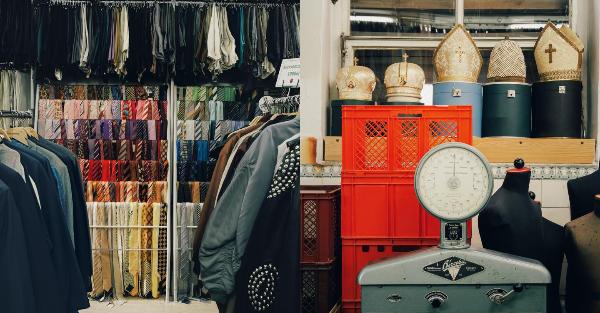
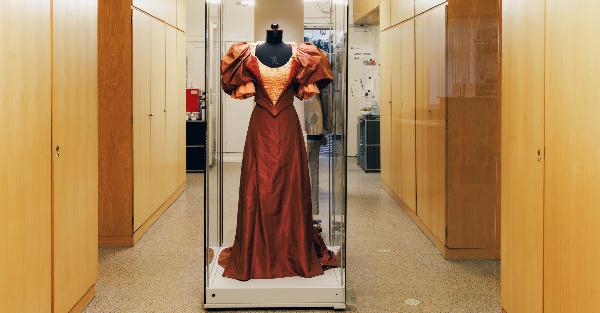
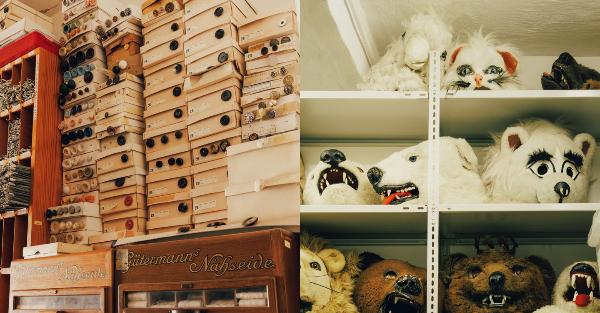
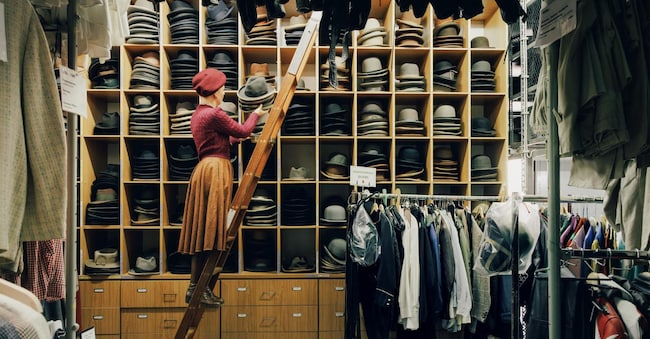
The leafy Berlin suburb of Wilmersdorf is a rather unusual place to imagine Hollywood's elite wandering around. Yet, for more than half a century, stars have been drawn to this inconspicuous corner of the city by Germany's largest tailor for stage costumes, Theaterkunst. With around 10 million pieces, it is one of the oldest and largest of its kind.
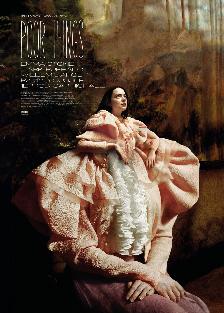
A constant presence in the credits, from the silent films of the Weimar era to Marvel's superhero hits, Theaterkunst - which took up residence in a former dairy in the 1950s - has collaborated on films that have made cinema history. Its success continues: this year, two of the Oscar-winning films, Poor Creatures! and The Zone of Interest, relied on the tailor's shop to dress their cast.
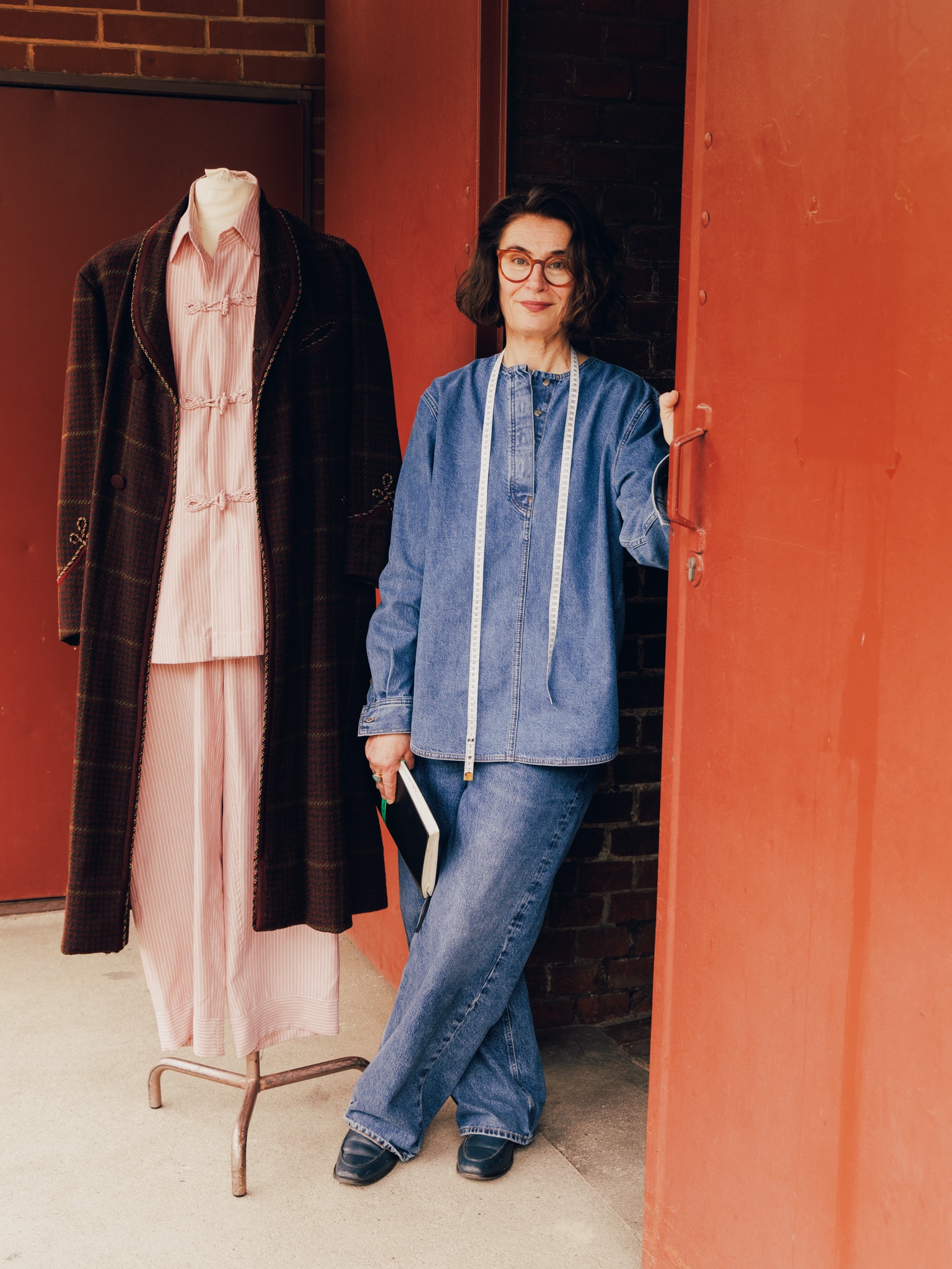
"It's a wonderful place, with an old soul," explains costume designer Lisy Christl, meticulously scanning the dense shelves for the perfect orange T-shirt: "I've been coming here for almost 30 years. Christl has worked with Theaterkunst on projects by Terrence Malick and Michael Haneke; for Netflix's Nothing New on the Western Front she made, with the atelier's tailors, stage costumes, including pyjamas for the character played by Daniel Brühl. Today, that pink striped two-piece suit dresses a mannequin at the entrance to the men's department. Next to it, other mannequins are positioned, one of which sports the 1920s blue velvet suit worn by Hunter Schafer in the latest Hunger Games.
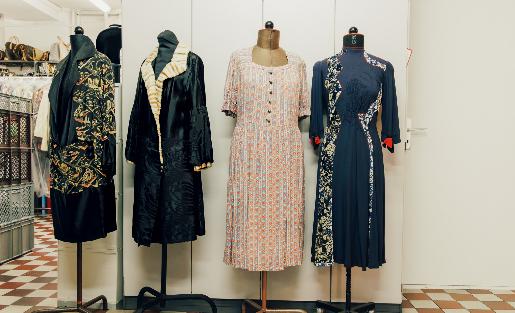
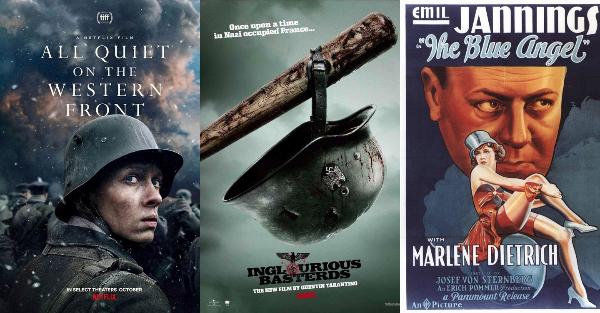
Theaterkunst was founded by a group of young entrepreneurs in 1907, at a time when the prosperous German capital was witnessing the opening of numerous theatres and cabarets. Business took off in 1918, when Hermann J. Kaufmann, one of the original co-founders, took sole ownership and began making costumes for the burgeoning German film industry, working on Fritz Lang's Metropolis and dressing Marlene Dietrich in The Blue Angel. He also collaborated on the 1925 silent version of Ben-Hur, creating everything from headgear and shoes to swords and spears, employing some 350 costume designers. Seven tons of leather were used for the project and, as is known, the lead actor, Ramón Novarro, underwent a two-week ship journey from New York to Germany just for the costume fitting.
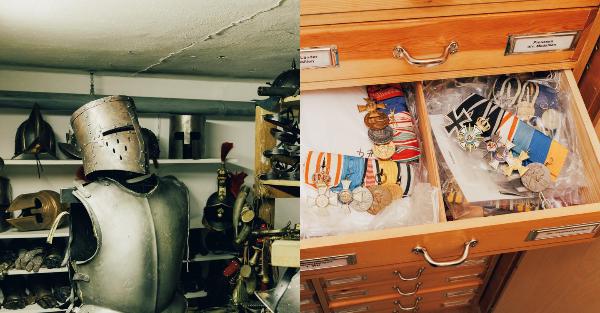
Subsequently, the tailor's shop opened offices in Copenhagen, Amsterdam, London, New York and Stockholm. However, in 1936, three years after the National Socialist Party came to power, Kaufmann, who was Jewish, was forced to sell the company. In the two wartime bombings that hit the headquarters, located in Berlin's central Oranienburger Strasse, most of the archive was destroyed. Following the military defeat and the subsequent division of Germany, Theaterkunst was also separated into two. The GDR headquarters only managed to survive for a few years, while its western counterpart prospered against the backdrop of the economic miracle, providing costumes for all the biggest films of post-war Germany, working with Wim Wenders, Werner Herzog and Rainer Werner Fassbinder.