Ideas

The citron, the fruit of the Garden of Eden

In Calabria, on the Riviera dei Cedri, discovering the etrog sought after by rabbis from all over the world

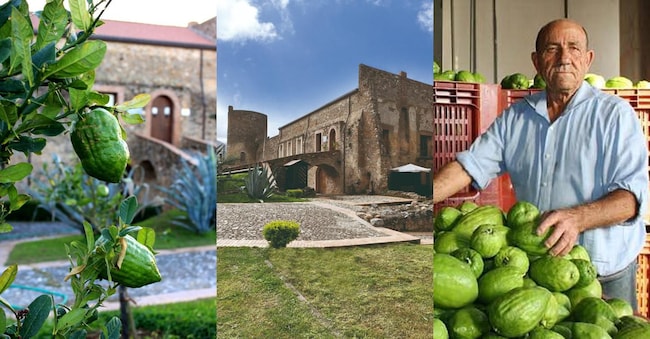
Foto Consorzio del Cedro di Calabria; Luigi Salsini, Eugenio Magurno, Pino Lo Tufo, Dionisio e Mery Casella.

5' min read

Translated by AI
Versione italiana

5' min read

Translated by AI
Versione italiana

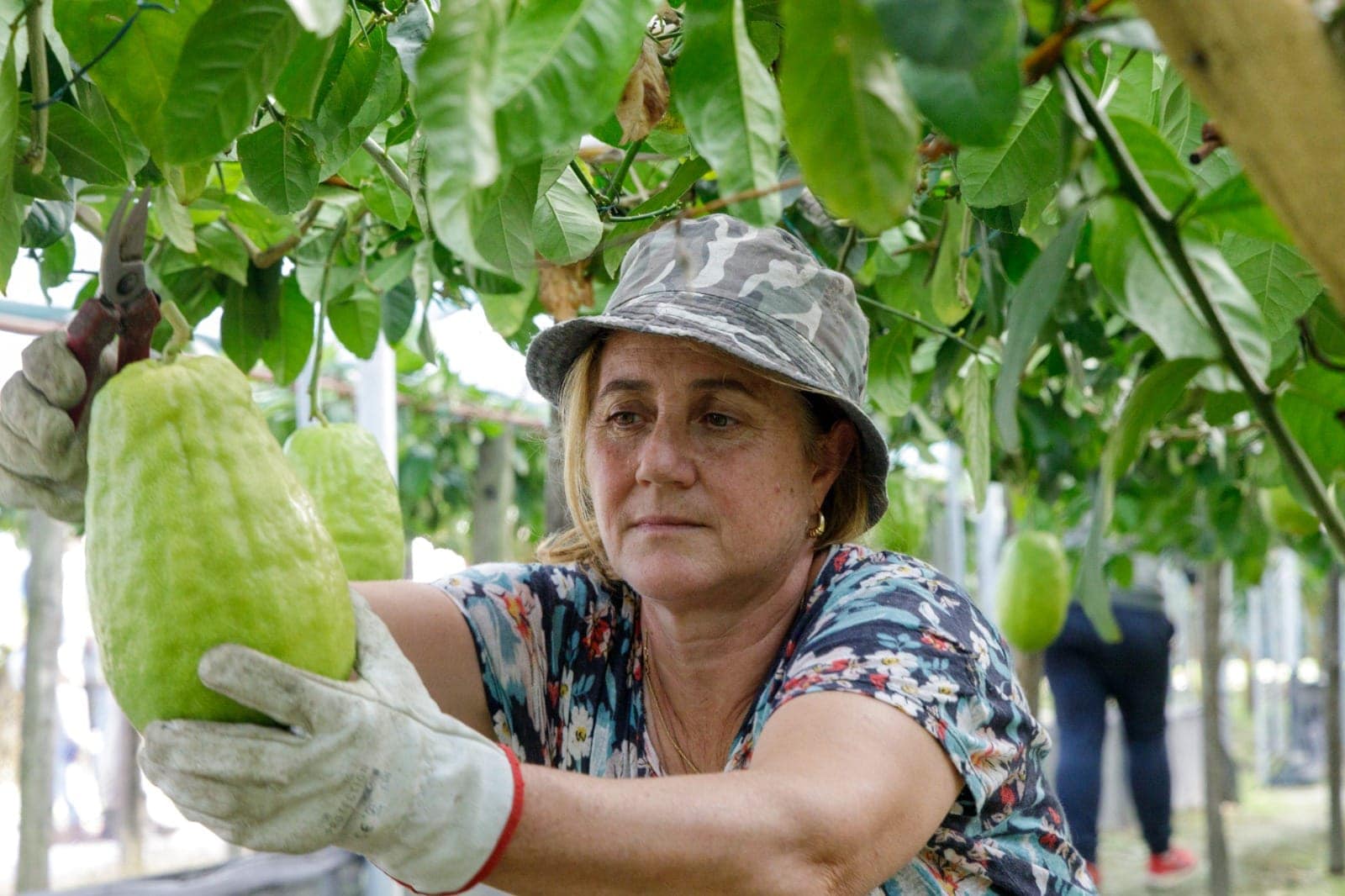
In this corner of the south trees are not allowed to grow into proper trees. They are kept low, guided, almost trained, leaning against pergolas as if convalescing. If they were allowed to grow freely, with their wild vigour and those dreadful thorns, they would end up crushing the fruit; and a wounded cedar, here, is not merely an unsightly cedar. It is an etrog that is flawed, a fruit that has forfeited its ritual destiny.
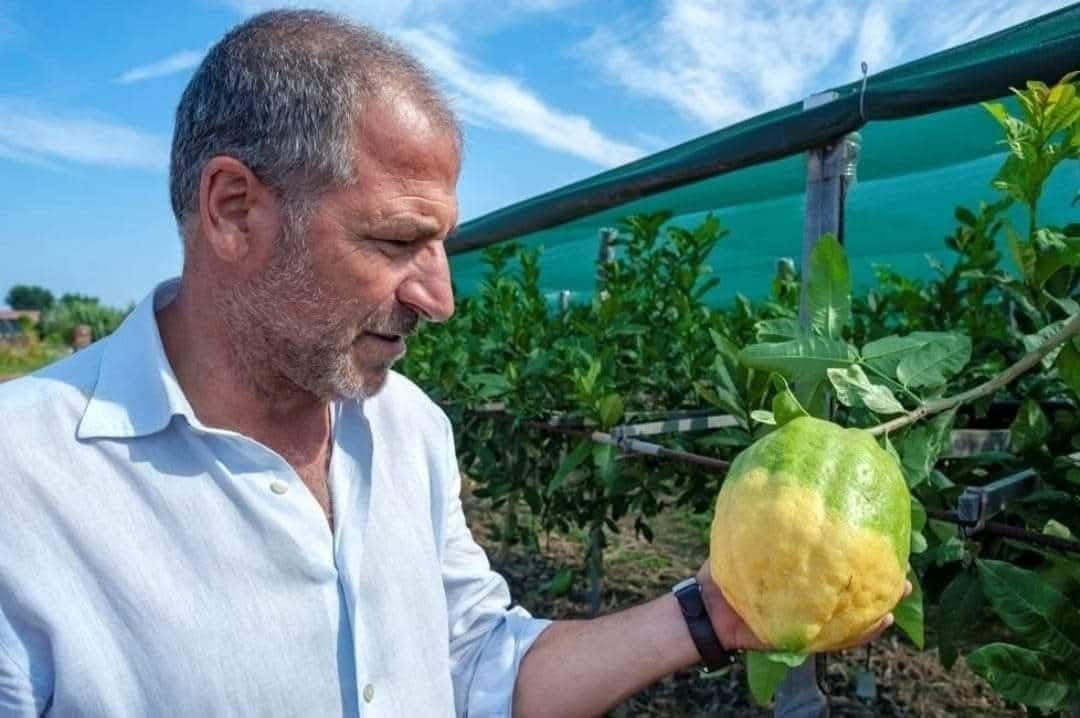
It is from this small act of loving care — restraining the plant so that the fruit remains intact — that a surprising story begins on the Tyrrhenian coast near Cosenza. From a cedriera: a low-lying pattern of branches, leaves and oval fruits, where farming takes on the precision of a liturgical ritual.
Loading...

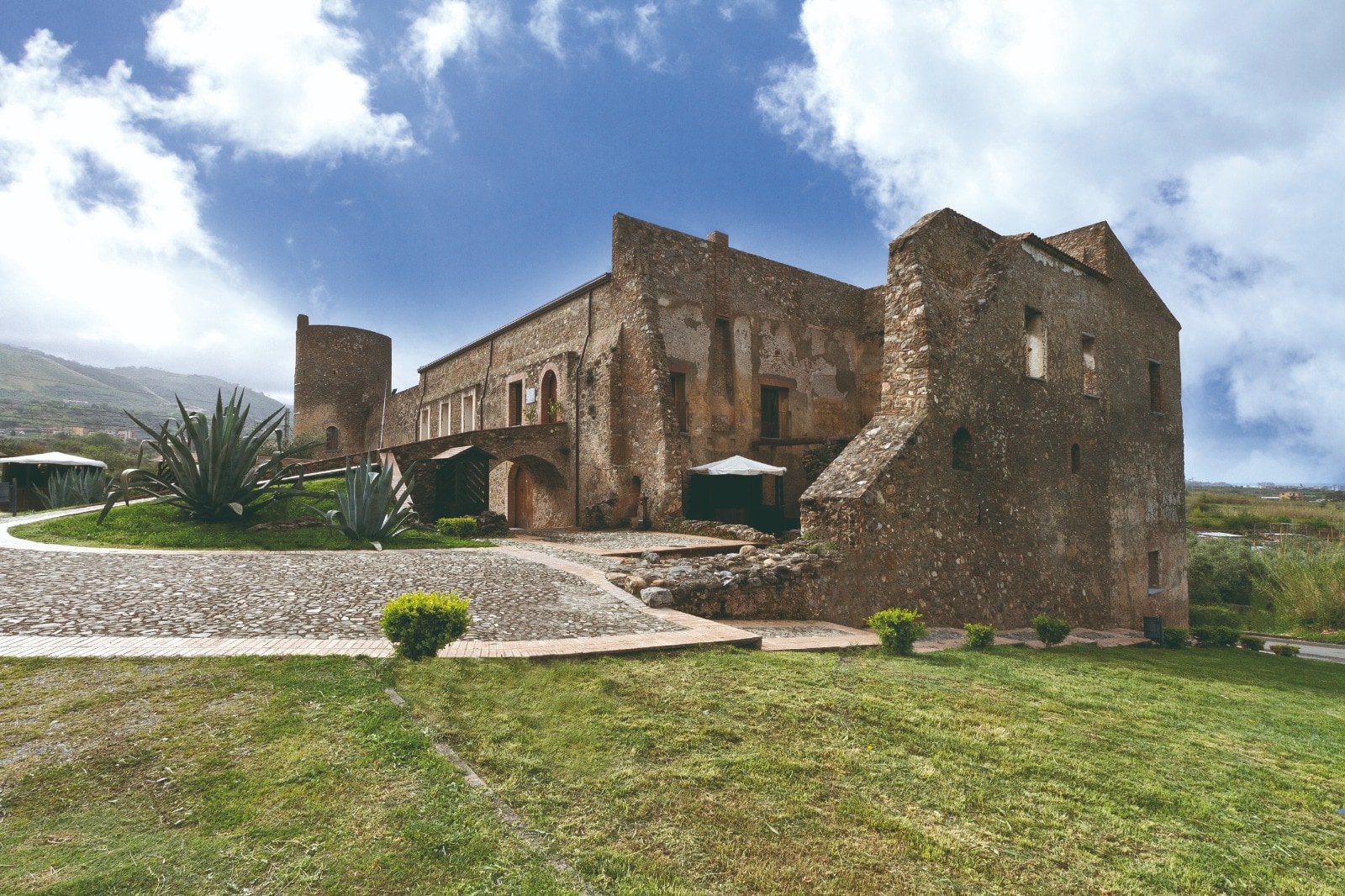
Producers call it the ‘K factor’, and swear it is the secret to everything, as explained by Angelo Adduci, director of the Museo del Cedro in Santa Maria del Cedro (Cosenza). He speaks of these plants as one might speak of fragile creatures, of ancestors, of witnesses. Now and then he drifts into history, now and then into myth, now and then into economics. But here, rather than contradicting one another, these three aspects seem to reinforce each other.

Agronomy Applied to Sacred Law

For the rabbis who arrive every summer from Israel, Europe and the United States, this fruit is not a citrus fruit. It is an etrog , the ‘fruit of the most beautiful tree’ prescribed for the festival of Sukkot (a festival which lasts seven days in Israel, editor’s note ).

It must be whole, ungrafted, and comply with ancient and extremely strict criteria.
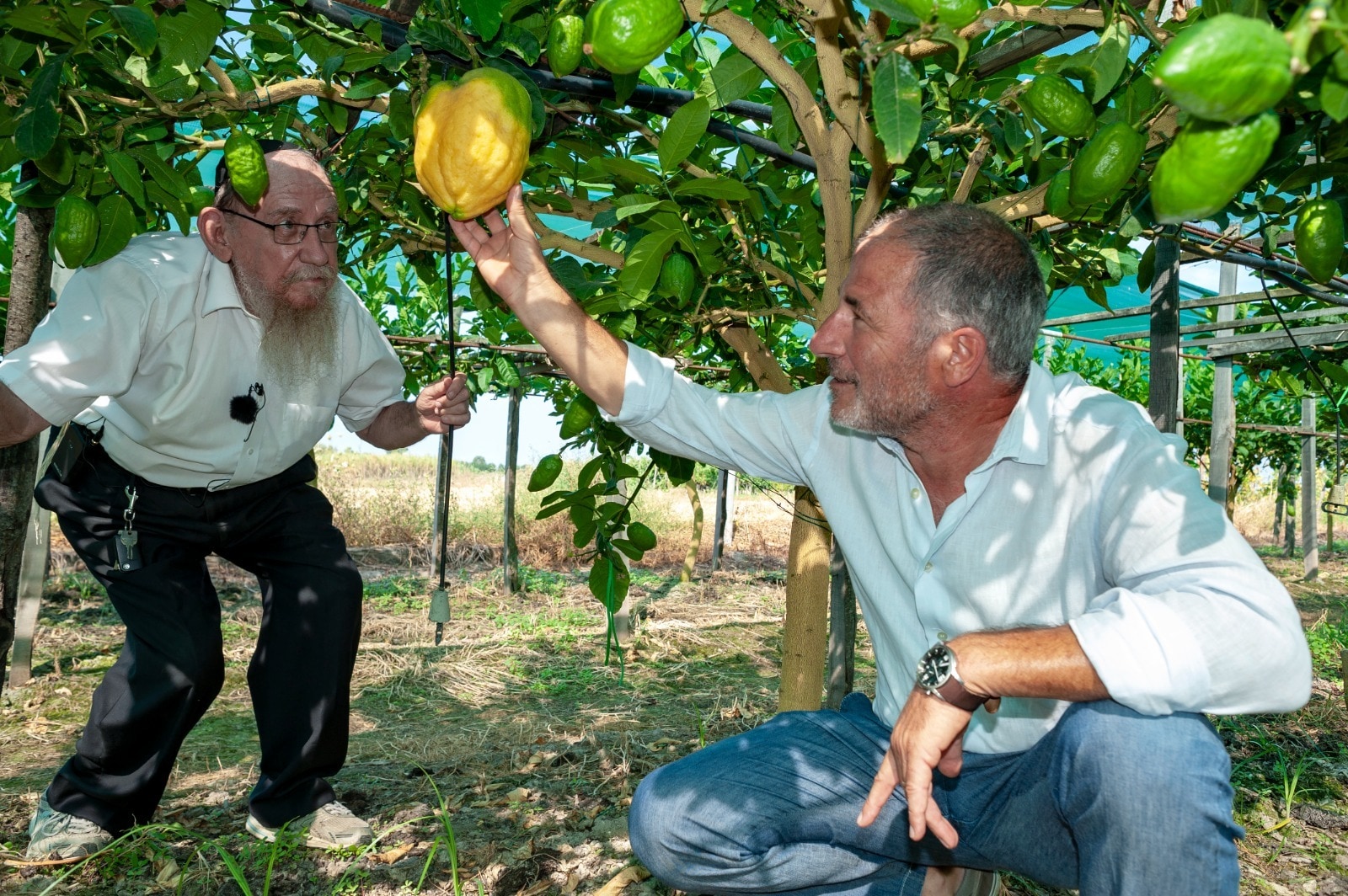
The peduncle — that little stalk that nobody else would give a second glance — becomes a theological boundary: Adduci tells me that, in the past, only one in a thousand cedars retained it; today, thanks to the ‘low-plant’ technique, ten out of a hundred do. A scar on the bark can change the value of the whole tree.

In this part of northern Calabria, citrus cultivation is agronomy applied to halakhah, Jewish ritual law.

And indeed, the citron grower does not simply grow: he nurtures. “He must watch every single fruit grow, pamper it,” says Adduci. “There can be no intensive cultivation.” It is the economic paradox that makes this sector unique: its value lies precisely in the fact that it cannot be standardised. Every citron orchard is an artisanal workshop; every harvest an almost monastic selection process.

The fruit you don’t eat

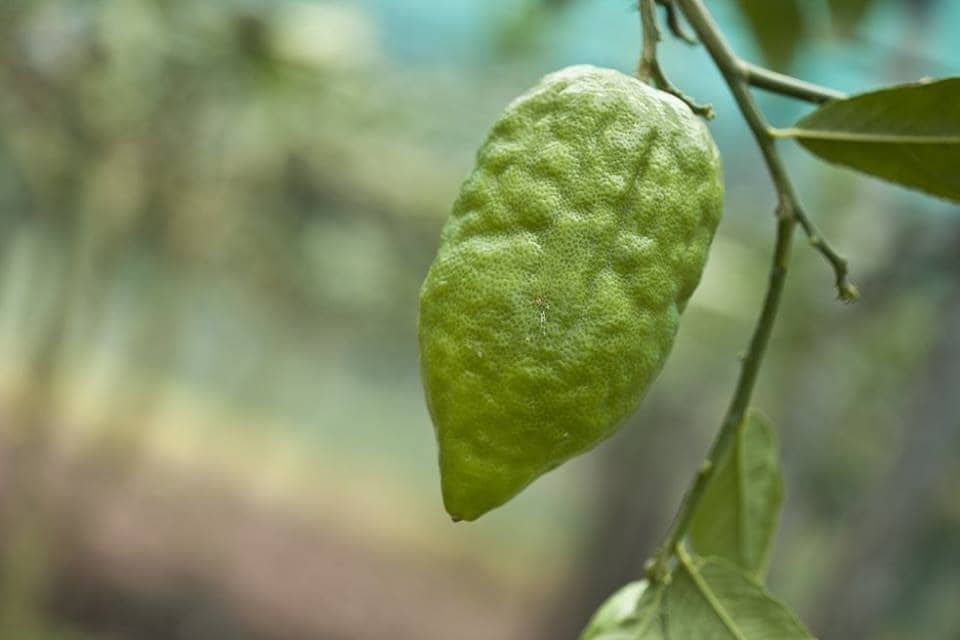
The smooth-skinned Diamante citron — Citrus medica, the oldest of the citrus fruits, whose flower is called ‘zagara’ and whose name, they say here, does not come from the nearby town of Diamante but from the fact that the fruit resembles a precious stone — is not eaten. It is processed.

Candied fruit for panettone from the northern industry, essences for citron liqueurs, bases for liqueurs, cosmetics. In the 1960s, 160,000 quintals were produced. Then came the slow decline: by the 2000s, production had fallen to 2,000 quintals – the threshold of extinction. The oldest of all citrus fruits was simply disappearing from the land that bears its name.

Loading...

The revival took place at specific times. Expo 2015, when the Consortium brought the citron to Milan: “Since then, trade has increased a hundredfold,” says Adduci. Then came 2017, the year of tragedy and miracle: the frosts seemed to have killed everything, but when they went to cut down the trees, they discovered there was still sap inside. They started afresh from there, from the intensive cultivation that resumed that very year, from figures such as Franco Galiano, an artist and intellectual whom they call ‘the last prophet of the citron’, and from a rabbi, Moshe Lazar, who has revived the connection between Calabrian cedar cultivation and the Jewish world.

Today, production has returned to 20,000 quintals. In 2023, the European PDO was granted, with the ‘Cedro di Santa Maria del Cedro’ being registered across an area comprising 18 municipalities in the Cosenza province, from Tortora to Cetraro. “Reaching 40,000 quintals would be just the beginning,” says Adduci. “We’ve only just got started.”

The most telling figure is another: 60 per cent of production is now destined for the Jewish market. A fruit that cannot be eaten, and which is valued above all for its shape, is keeping an economy afloat. Perhaps it is the only sector of Italian agriculture in which the price is determined by perfection, not by weight.

Myth as Infrastructure

Adduci recounts legends that seem to stem from a Mediterranean older than any map: Moses, whilst still in Egypt, is said to have received a divine command to plant the cedar tree right here in this corner of Calabria; rabbis who pass down the memory of a first festival celebrated here, in what is now the hamlet of Marcellina; Alaric’s treasure, buried somewhere amongst these valleys, and with it the shadow of the Temple’s menorah. From a journalistic point of view, it does not matter where the historical record ends and the legend begins. What matters is understanding that these stories, in a fragile region, function as maps: they shape identity, tourism, agriculture and the desire for a future. Myth, in these parts, is not escapism. It is a form of territorial capital.

Modern history, after all, has its verifiable figures: Don Francesco Gatto, the parish priest who first worked towards this revival, a friend of the then Cardinal Ratzinger, who visited here before becoming Benedict XVI; Chief Rabbi Elio Toaff, himself a pilgrim amongst the cedars; even a film, Gianni Romano’s *Il cedro* (2007). The Cedar Museum brings all this together, and on summer evenings you’ll find it open late, full of tourists sampling in the workshop what for centuries had only been smelled and blessed. It is not an agricultural museum: it is a small symbolic machine, the place where a region becomes aware of itself.

The Fragile Future

The temptation would be to turn everything into a ‘format’: sensory trails, agro-mystical walks, experiences. These are ideas that are already circulating here, and they make sense. But the real challenge is more complex, and it concerns the unique characteristics of the whole of Southern Italy: transforming uniqueness into a system. Quince cultivation remains the only agricultural sector without a structured university research programme; it is only since 2020 that applied research has begun – thanks to the Department of Chemistry at UNICAL, in collaboration with the CNR in Bari – into the DNA and organoleptic characteristics of a fruit that appears to have no equal in the world — not even, as they say here with quiet pride, in the land of Israel.

At last I return to the low rows of trees, as the light fades over the Tyrrhenian Sea and the little river Abatemarco continues its silent work of irrigating sacred lands. The citron remains there, hanging low or high, watched over, far removed from the rhetoric surrounding Italy’s great products. But perhaps it is precisely for this reason that it so aptly illustrates a possibility: a small, fragile, sophisticated economy, in which a fruit chosen for a Jewish festival becomes proof that even a rural outpost can speak to the world. Here they call it, without irony, the fruit of Gan Eden – that is, the Garden of Eden.

Copyright reserved ©
Loading...

Brand connect

Loading...

Newsletter

Notizie e approfondimenti sugli avvenimenti politici, economici e finanziari.

Iscriviti