The completely different world of the Neo-Impressionists
The exhibition "Radical Harmony: Helene Kröller Müller's Neo-Impressionists" is on view at the National Gallery until 8 February
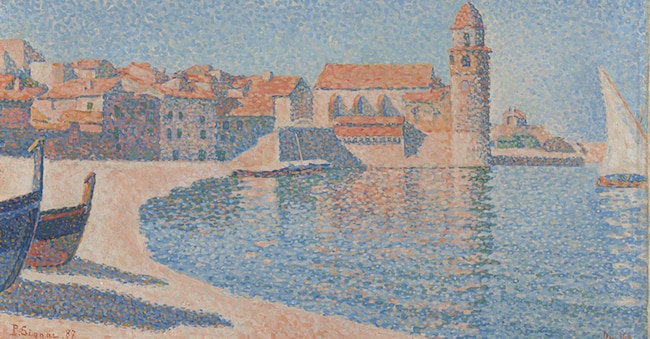
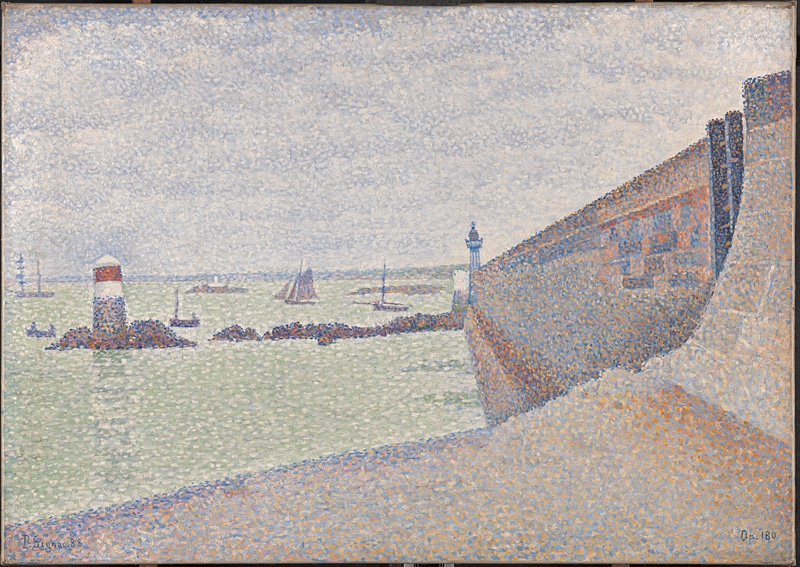
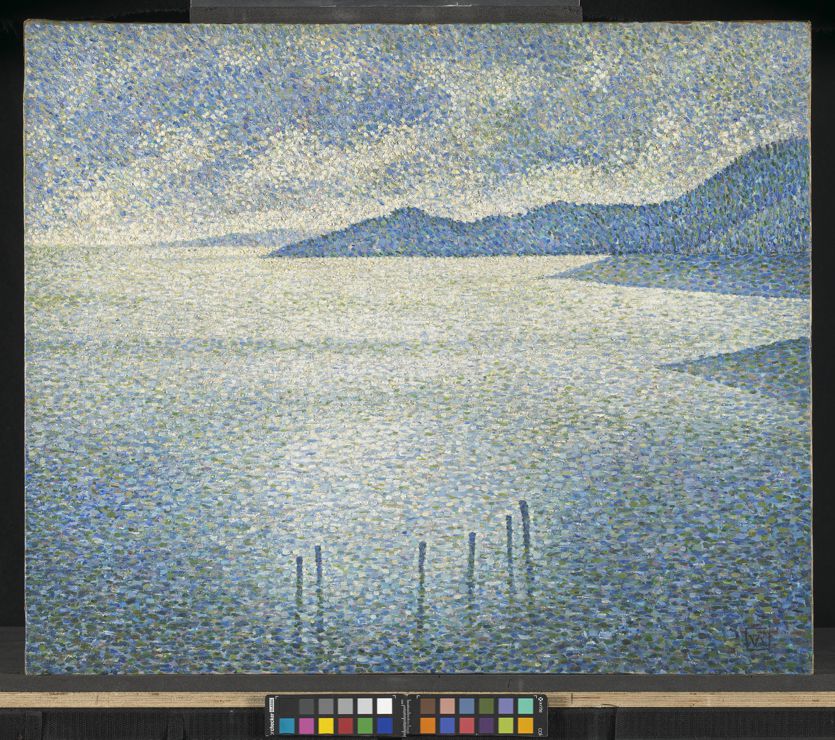
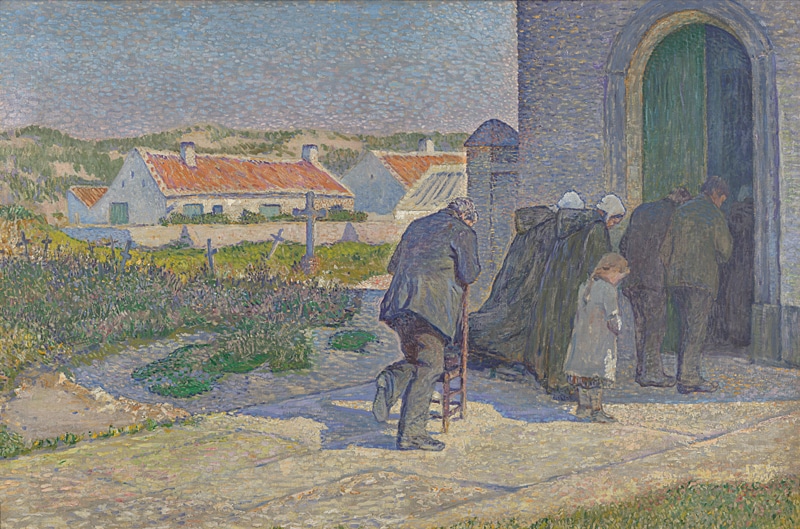
The National Gallery celebrates the reopening of the Sainsbury Wing after two years of extension and refurbishment with the first exhibition ever dedicated to Neo-Impressionism. 'Radical Harmony' is a celebration of the movement that sought to reinvent Impressionism by using dots of pure colour on canvas to achieve maximum luminosity, and is also a tribute to Helene Kröller Müller, the first collector of their paintings.
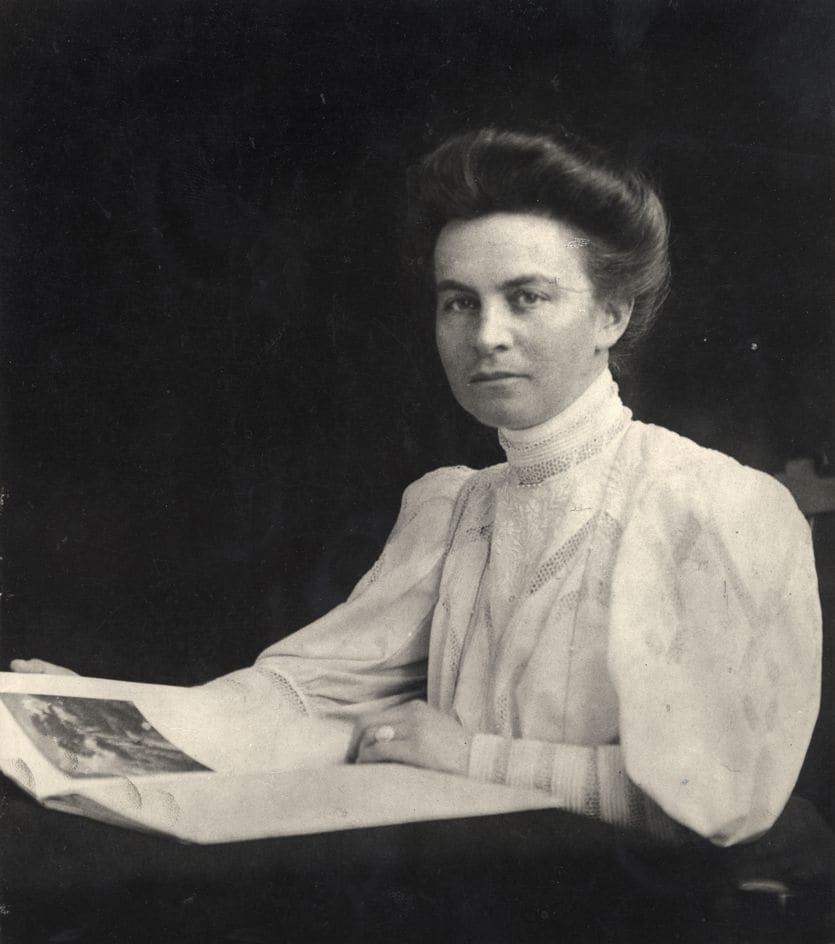
Kröller-Müller
The majority of the works on display (36 out of 58) come from the Kröller-Müller Museum in Otterlo, Holland, which she founded to show the largest collection of Neo-Impressionist paintings ever assembled. Kröller Müller was a true pioneer: not only was she one of the first European women to collect art systematically, she was also courageous in her choices, opting for the Neo-Impressionists when they were still considered too radical by the well-meaning critics, who considered that Puntilism represented nothing less than 'the end of painting'.
For the collector, on the other hand, the Neo-Impressionists succeeded in fusing emotion and reality, rigour and spirituality, scientific studies of colour and serenity capable of touching the soul. The artists of the movement aimed to transcend reality, creating harmonious balanced compositions in which the dots of colour on the canvas vibrated according to precise geometric calculations.
Kröller Müller had two favourite artists: Vincent van Gogh, whose 90 paintings she bought, and Georges Seurat, the founder of Neo-Impressionism and inventor of Pointillism. When describing the museum she had opened in 1913 to house her collection, Kröller Müller was enthusiastic about the contrast between the rooms devoted to van Gogh, "dramatic and heavy as hammer blows", and the Neo-Impressionist paintings, "light, delicate and spiritual
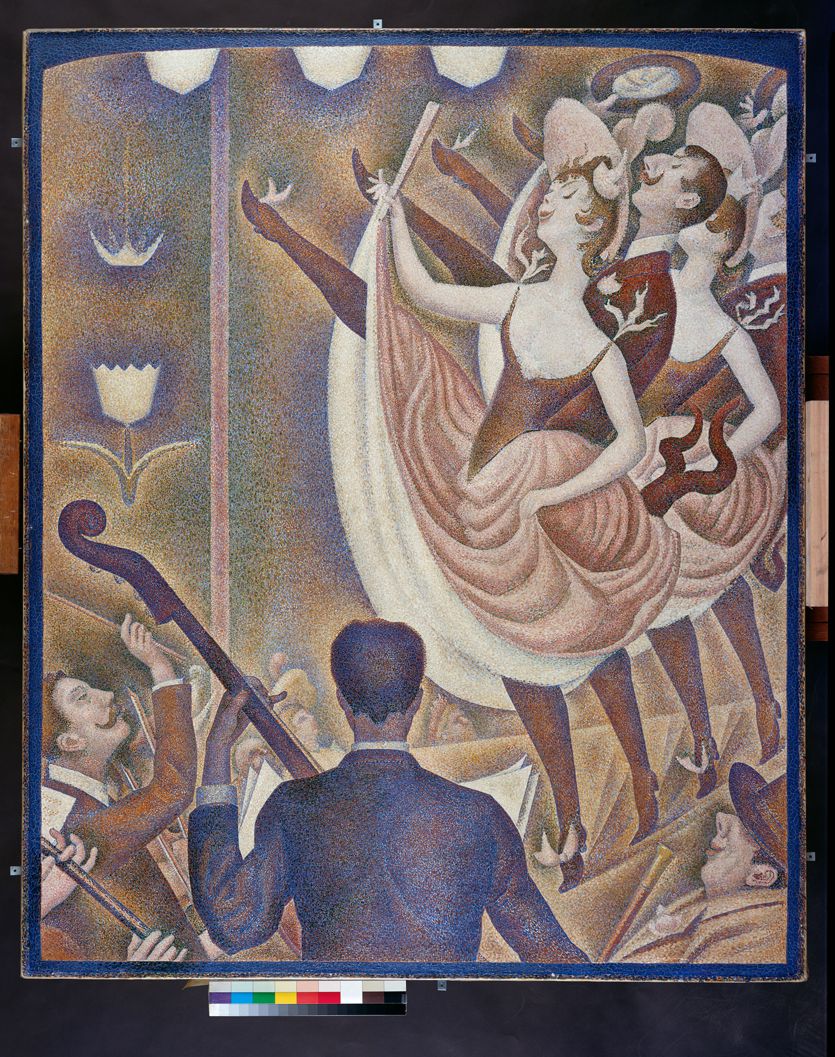
Seurat was famous for what he called his toiles de luttes, innovative and provocative paintings. The canvas that dominates the central room is La Chahut, a joyous can-can scene in a Parisian concert hall, a composition all built on diagonal lines to accentuate the sense of frenetic movement, shown at the Salon del Indépendents in 1890. A year after completing the painting, the 31-year-old artist died of a fulminating infection, probably diphtheria. With such technical skill and innovative spirit, who knows how his art would have evolved.