
The Confimprese system is looking for new human resources in the Milan Bollate prison
A dozen associates visited the Institute to evaluate the training and recruitment of inmates

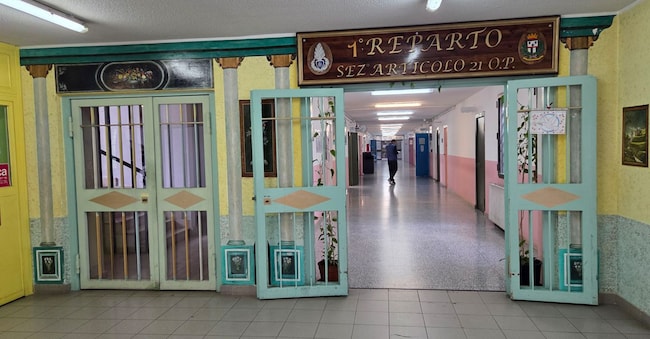
The most recurrent request is 'to have a second chance'. To resume a life on the tracks of a desire for normality, by simply putting in the will, the will to work. This is the phrase that some inmates repeated to a dozen entrepreneurs and managers of Confimprese member companies, in trade there are about 10,000 people missing, during a meeting organised to begin to explore the opportunities that these people can offer. For companies a reservoir of workers also for a step forward in social sustainability, for prisoners an invaluable reintegration opportunity. Because once you have served your sentence you are already in the world of work.
The Bollate prison houses 1,648 inmates of whom about 200 are women, while there are 83 lifers with 58 over 70. A very heterogeneous and multiracial population with an average age of about 40 years and many young people under 25. There are 208 inmates admitted to Article 21, which in the penal system allows them to leave prison to work, study or do voluntary work. An important starting point. Another 46 benefit from the semi-freedom regime. Many others, 175 to be precise, are employed within the institution in other activities organised by a dozen or so cooperatives and societies. The activities? They range from small metal carpentry to industrial glassworks, from publishing to a tailoring workshop, but there are also those who work in the 'In galera' restaurant and there is no shortage of hi-tech thanks to the presence of a workshop that is part of the Cisco Networking Academy.
Voices from prison...
For these workers, it is normal to have a fixed-term or open-ended contract whether they work inside or outside, and all inmates are offered the opportunity to study in middle school and high school sections as well as university courses with the support of a team of educators who develop education, training and reintegration paths. A pathway that then finds its natural outlet in work with Article 21. 'The value of giving a chance,' says Maila Conti, a former vigilante. 'I have always worked, my life was based on work, then came the tragedy. The thing that destroyed me here was not having a job. We need to do, we need companies that give us confidence, work gives dignity'. Maila Conti works inside for a cooperative and is enrolled at university. "I will become a doctor and have new job skills. We are people who will give you a lot. We need you,' she tells the audience with Confimprese members.
Elena, on the other hand, says she has never worked and comes from a criminal family. Her escape route is the theatre, acting. "I went out in foster care to act. Let's not lose the will and hope that there will be a second chance,' she remarks. Prison is made up of people and it is on people that one must focus'. Acting but also a lot of study for Elena with a degree in law, then a master's degree followed by enrolment in Economics and Business 'as a private student, studying with tutors'.
Alessio, now a young man in his thirties who has just been released from prison, bears witness to how this teamwork, combined with skill and willpower, can lead to success. "Today (yesterday for those reading ndr) I entered as a visitor and not as a guest," he says, "I have been thinking about it the whole way. He crossed the threshold of the 'house' twelve years ago after committing 'a very serious crime at the age of 18 and after hitting rock bottom it took me years to build my future, to invest in giving myself a future'. During his time in prison, he read books, studied economics and business, worked to earn his way up to Article 21, first fixed-term then permanent. Once in the workplace 'I wanted to add value and give 100 per cent of my worth'. There is always a but. "The owner of the company thought 'we've bitten off more than we can chew' when it came time to introduce me to my new colleagues. In a meeting I started from the end by googling what everyone would do next. "This is Alessio". So I broke the barriers and my colleagues became like a second family'. Alessio served his time and is now a consultant in the HR sector. This success is the result of teamwork involving Giorgio Leggieri, director of the Milan Bollate prison, Roberto Bezzi, head of training, his co-workers as well as volunteers and prison police staff.

