
The CSM gives the go-ahead for psycho-aptitude tests for magistrates
The trials will be divided into five areas and will begin in 2028

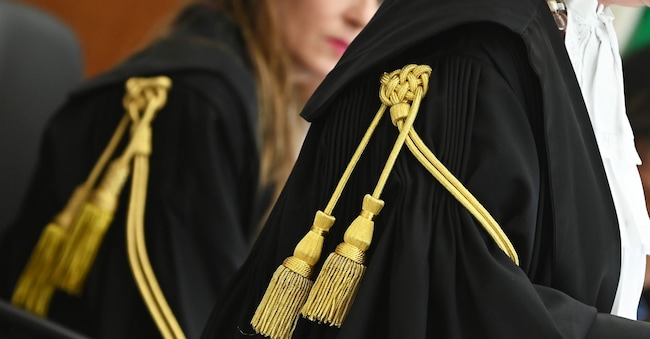
Yesterday, the plenary session of the CSM approved the resolution to introduce psychological and aptitude tests for magistrates. The law providing for these tests was passed two years ago. A dedicated committee of academics will draw up the tests, which must then be approved by the Council. The oral examination for the forthcoming competitive examination will therefore also include these tests. As for the timetable, however, there is controversy because the non-judicial councillors Isabella Bertolini (FdI) and Claudia Eccher (Lega) are contesting the resolution, which they claim is intended to delay the implementation of the tests, ‘but above all to misinterpret the objectives and the will of the legislator’. A measure dating from 2024 will only be applied for the first time in the spring of 2028: four years to do what all public administrations already do. Supporting the tests also means insisting that they are carried out in the right way and within the right timeframe’.
The times
However, the judges point out that, for the sake of formal correctness, will technically have to be included in the next call for applications, due to be published in a couple of months’ time, with written examinations for aspiring magistrates in spring 2027 and, given the time required to mark the papers, the first implementation will take place from 2028 onwards.
The resolution provides for the identification of the conditions for unsuitability to perform judicial functions with reference to five areas (cognitive, emotional, relational, ethical and values-based, and organisational).
The terms and conditions
The conditions must be ascertained following a process that begins with the administration of the tests, continues with a face-to-face interview conducted by the chair of the session, with the participation of the expert psychologist, and concludes with an evaluative summary drawn up by the entire examination board.
The resolution emphasises, moreover, that the tests must serve to determine the grounds for unsuitability ‘and not to assess and rank, in a positive light, the psychological aptitudes required for the exercise of judicial office’. A serious and generalised lack of the required qualities may therefore be identified as a ground for unsuitability, but the tests will nevertheless constitute a tool to be used in the subsequent oral interview, following which any overall assessment of unsuitability will be formulated.


