
The Csm to magistrates: 'Protect the reputation of suspects'
At the plenum on 3 June new guidelines on judicial communication. Fnsi: 'the right to be informed is protected'

Key points
- The draft expected at the plenum
- Communication in the digital age
- New legislation
- The Fnsi protest
- Training
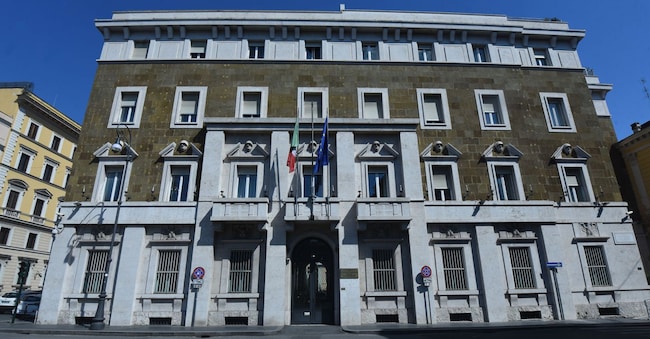
'Reputation today is an essential part of the protection of the person and the administration of justice is also called upon to take this on'. This assumption is the starting point for the proposal to update the guidelines on judicial office communication, expected on Wednesday 3 June at the plenum of the Higher Council of the Judiciary. Amidst discussion and distinguos, inside and outside Palazzo Bachelet.
The draft expected at the plenum
Communication has always been one of the most exposed nerves in the relationship between the public prosecutor's office, politics and the media. It has become even more complex in the age of social media, viral communication and immediate indignation. In the new indications - to which amendments have been tabled - the duty is put in black and white for the judicial office, which should inform the press of an investigation, 'to rectify the news when its content and meaning change'. It introduces 'reactive and update' communication to correct inaccurate information, as already provided for in the 2018 guidelines, and to follow 'the evolution of the proceedings or trial'. That is, offices are invited to issue press releases even 'after filings, revocations, annulments, acquittals or other outcomes that differ from the initial phase'. Traceability and online storage of material is also urged.
Communication in the digital age
The awareness that 'in the digital ecosystem a judicial news spread in the initial phase of the investigation can produce reputational effects much more rapid and persistent than the subsequent trial ascertainment' - we read in the draft - leads the Council to affirm that 'the institutional communication must not only be respectful of the presumption of innocence, but also true, necessary, proportionate, reparable and updated, so as to avoid - it is specified - that the inevitable temporariness of the investigative phase translates into an irreversible compromise of personal dignity'. The updates must meet the criteria of 'timeliness, visibility and strict information symmetry with respect to the initial communication'.
Legislative novelties
Reflections, behind which one hears the echoes of past press conferences or cases of resignations of public figures, more or less famous, in the wake of the launch of an investigation. The new burdens also fall on the heads of judicial offices, starting with the public prosecutors, whose communications have already been reduced after the legislative decree 188 of 8 November 2021, transposing the EU directive on the presumption of innocence. The guidelines - which take into account this decree as well as legislative decree 198 of 10 December 2024 on the publication of orders for precautionary measures - are perceived by many as a new squeeze on communication.
The Fnsi protest
"The Csm should not restrict the citizens' right to be informed about events of public interest", the appeal of the National Press Federation. While agreeing with the ultimate aim of the intervention, it draws attention to the access to the ordinances: "They are not acts covered by secrecy and their content, while not being able to be quoted, can be legitimately summarised," it writes in a note, "as, moreover, the new formulation of the code of criminal procedure provides: not providing them to journalists means preventing complete and correct reports, leaving room for the black market in information. In these hours, in addition to the overall spirit of the intervention, there is also discussion among the various actors on the practical problems of certain aspects, such as the tendency to bureaucratise questions of a mostly deontological nature.


