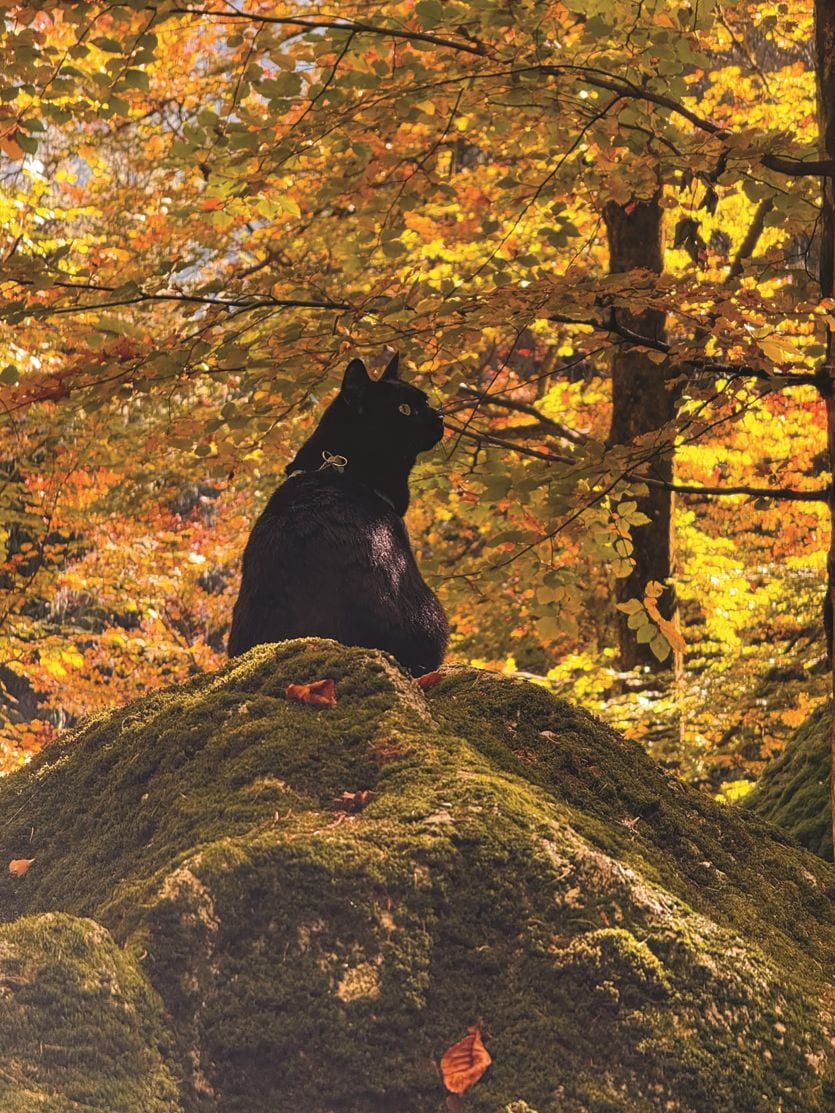
The dream of a holiday with six (or more) legs is becoming a common reality
As the number of pets in Italian homes rises, so too does the number of facilities catering for them, offering bespoke services that are also popular with foreign visitors

Key points
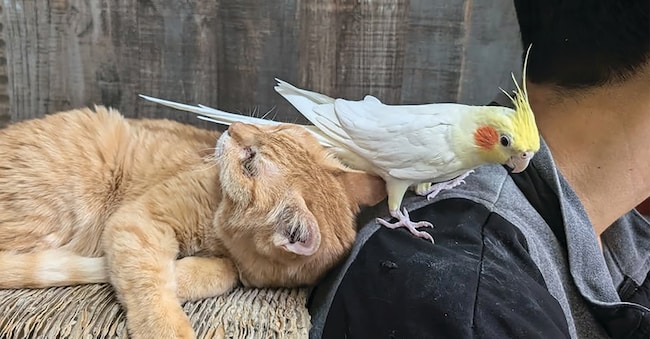
Animals and nature as a whole give us so much, yet we humans do not always show the gratitude we ought to. Quite the opposite, in fact. To improve this relationship – as with any relationship – we need to listen and pay attention. Those who live with dogs, cats and other pets have been perfecting this for years: the figures tell us so, even before surveys or personal experiences. Against the backdrop of the demographic winter into which our country has plunged, the number of pets is constantly growing, and with it the range of products and services on offer. Among the fastest-growing sectors is ‘pet tourism’ – a term that is perhaps not entirely appropriate.
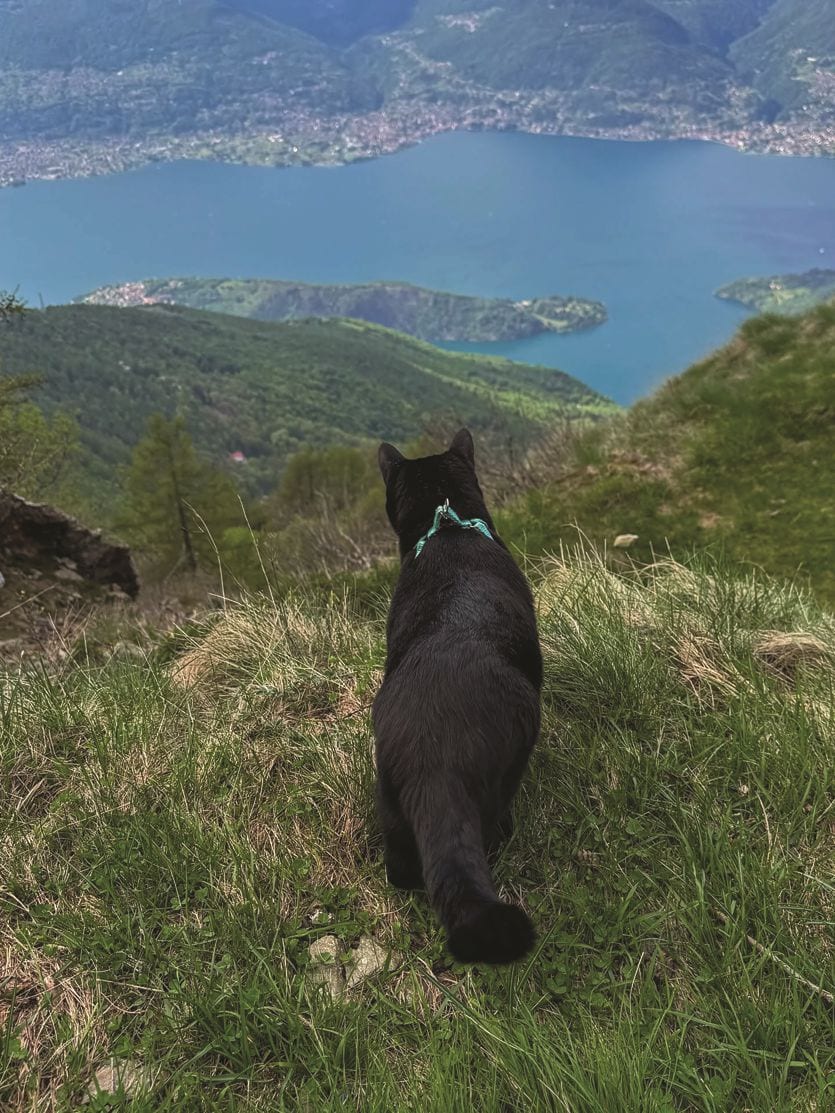
In fact, this is not a form of tourism, but rather the opportunity to go on holiday without having to find alternative accommodation or ‘home’ care for cats, dogs, and even rabbits and birds, who stay at home. Clearly, for intercontinental journeys, very long journeys or trips to exotic destinations, travelling with pets in tow is not advisable. But in most other cases, as pets are part of our families, more and more people are planning holidays that include their four-legged – or six-legged – friends.
Sustainable holidays
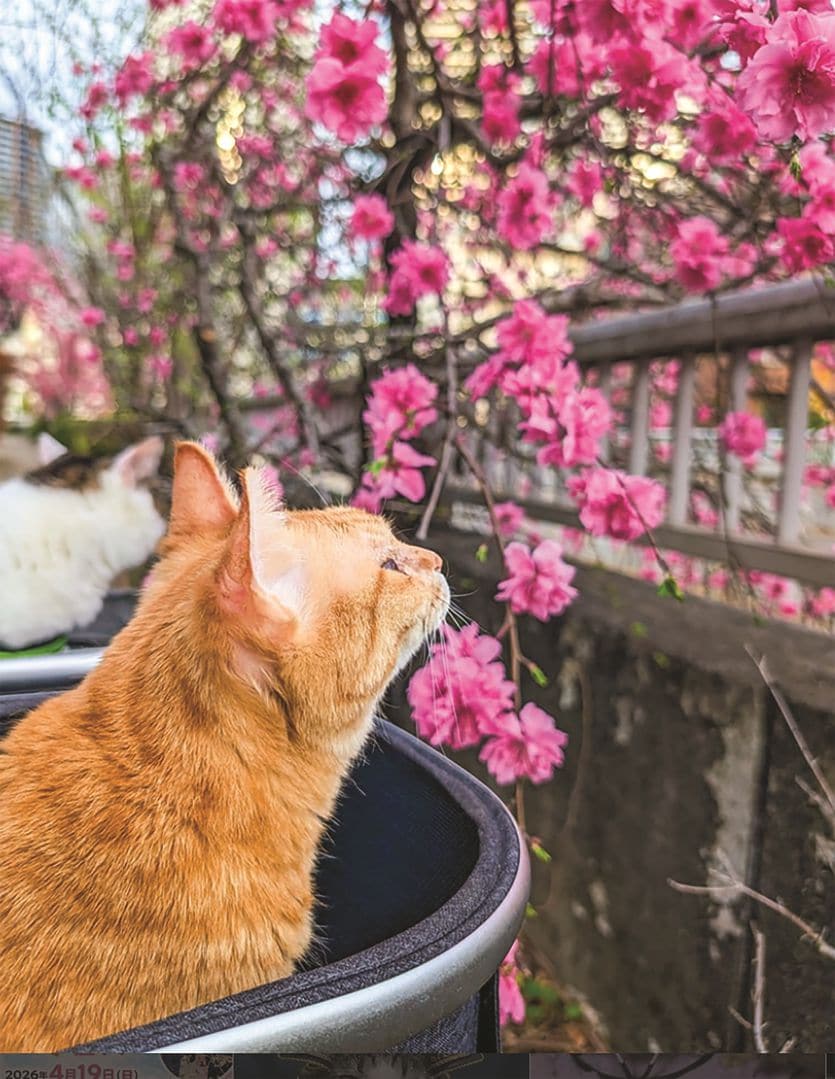
A market that, until a few years ago, had very little on offer, but which, over the last few seasons, has become increasingly diverse and well-developed. The most recent research on the subject was published in May by JFC and predicts that this year nearly four million households will opt for a holiday with their pets in tow, generating an estimated value of over 9.5 billion. These figures are even higher at European and global levels, confirming that pet-friendly tourism represents a major opportunity for the sector, alongside solutions catering to older travellers and those – regardless of their generation – who require maximum accessibility or wish to enjoy holidays that are particularly sustainable from a social and environmental perspective.
.jpg)
By ship or train
For once, our country has, in some respects, taken the lead over many others, allowing, for example, not only cats and rabbits but also medium- and large-sized dogs to travel in the cabin – animals which, until a few months ago, were forced to travel in the hold. The main rail operators and companies that organise cruises or operate ferries have long been offering bespoke solutions, with pricing varying according to the services provided. The same applies to hotels, B&Bs, campsites and all other tourist accommodation: it is no longer simply a question of whether or not to allow pets, but of devising packages that include food, dedicated areas and even tailor-made programmes to organise everyone’s days.