
The EU’s conditions for enlargement without amending the Treaties
Brussels is focusing on the rule of law and loyal cooperation, and suggests strengthening safeguards in certain specific sectors, particularly agriculture
from our correspondent Beda Romano
 Aggiungi Il Sole 24 Ore
ai preferiti su Google
BRUSSELS – The European Commission published guidelines yesterday to prepare the EU for its next round of enlargement – with Montenegro and Albania at the forefront, from 2028–2030. The action plan is based on the premise that the current treaties allow for the accession of new countries without institutional changes. That said, the Commission suggests strengthening certain safeguards in specific economic sectors, particularly agriculture. All eyes are on Ukraine.
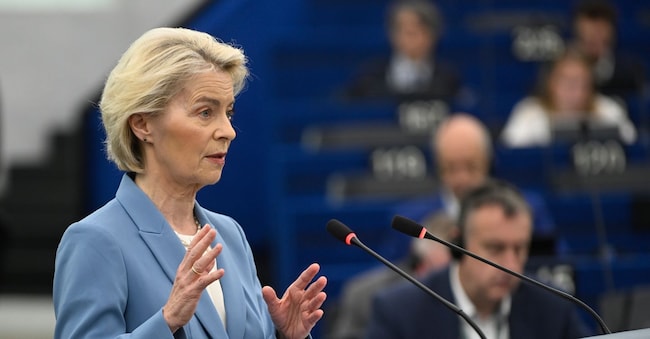
“Our assessment shows that the European Union is capable of welcoming a greater number of Member States,” said Marta Kos, Commissioner for Enlargement, yesterday in Strasbourg. “However, there are certain areas where we have identified some bottlenecks. One of these is the rule of law and loyal cooperation, an area in which we are proposing more robust measures to prevent any backsliding, including the reduction of funding or the restriction of voting rights.”
In this regard, Brussels suggests strengthening specific safeguards to prevent the political excesses that have characterised some of the countries that joined the European Union in 2004. A specific clause would make it possible to address serious breaches of European values (Article 2 of the Treaties), including the principle of loyal cooperation between Member States. As mentioned, in the most serious cases, measures could include the suspension of voting rights in the Council. Furthermore, the European Commission proposes transitional provisions relating to free movement or agriculture. ‘For Ukraine, the size, structure and extremely high levels of productivity of the agricultural sector justify the consideration of targeted measures that significantly limit financial support and market access for sensitive products.’ Speaking to the Politico website from Kyiv, Agriculture Minister Taras Vysotskyi responded by stating that Ukraine “cannot accept” permanent restrictions.
In 2023, at a European summit, the 27 Member States had raised the question of how to adapt the Union to the arrival of new Member States. Constitutional revisions were not ruled out at the time. Brussels’ position, following the publication of guidelines yesterday, is that the Treaties should not be amended, and that the institutional rules should allow for an increase in the number of member states without too much upheaval.
At the same time, the European Commission is making a number of suggestions. First and foremost, it is urging Member States to make use of the ‘bridge clause’ set out in Article 48, which allows for a shift from unanimity to majority voting in Council decisions. The problem with this clause is that it requires unanimity to be invoked. With regard to enlargement, Brussels proposes ‘to use majority voting for the opening of negotiation chapters and for other interim decisions within the framework of accession negotiations’.


