
The evolution of executive presence: authenticity and inclusiveness as new leadership traits
The old ideal - modelled and embodied by successful white male leaders - has long since tarnished, making way for examples of leaders who are decisive, clear-headed and authoritative, but also empathetic, open to feedback, emotionally aware

4' min read
4' min read
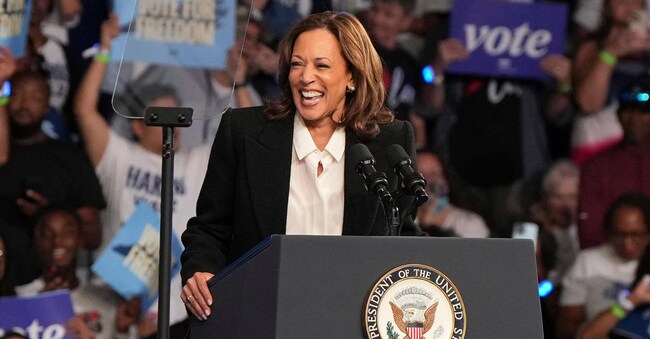
"We need a president who takes care of the millions of people who do those myriad 'thankless jobs' every day". "Kamala has been used to serving her customer since she worked at McDonald's to support her studies". These are some of the phrases that Barack Obama, former US President, and Tim Walz, the US Democratic Party's vice presidential candidate, uttered at the 2024 Democratic Convention where Kamala Harris agreed to run for this year's election for the US presidency.
No, we are not going to talk politics at all, but I will take my cue from current examples of executive presence that have put well-known and lesser-known faces in the spotlight that, represent and will represent role models of leadership, not only in the United States.
What strikes us about these sentences? Some will say, they are excellent speeches tailor-made by excellent spin doctors. True. But there is more. They are proof of how the executive presence is transforming in light of the necessary evolution of leadership towards inclusiveness, in all its manifestations: respect for others, listening, authenticity and vulnerability.
In most organisational contexts, the executive presence, i.e. being able to attract attention and inspire confidence in others when entering a room and thus positively influence the environment, traditionally boils down to three attitudes/capacities: gravitas/seriousness, strong communication skills and 'right' appearance/look.
After a decade, marked by tumultuous economic, cultural and technological changes (consider the climate threat, the Covid-19 pandemic; the war in Europe and the Middle East; the #MeToo, Black Lives Matter and LGBTQ+ rights movements; widespread political polarisation and the rise of Zoom, Instagram and other online platforms), how have expectations of leadership traits changed with respect to this particular multi-competence?

