
Budget Bill: agricultural organisations say the extension of the IRPEF cut is welcome, but more funding is needed
Confagricoltura: increase the budget for the tax credit on technological investments. Copagri: make the reduction in fuel excise duties a permanent measure

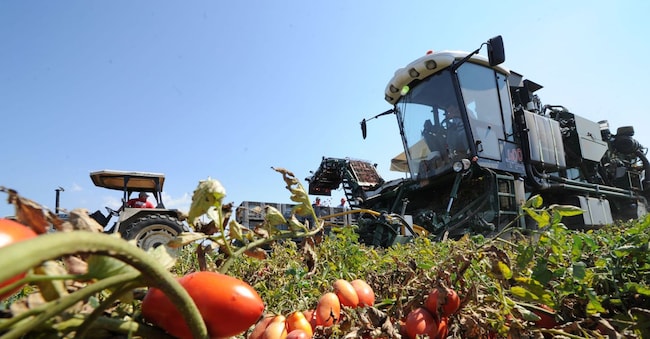
An overall positive assessment has been given to the measures dedicated to agricultural businesses in the 2027 budget, described as ‘few but significant’, with calls for more funding for measures to support innovation. Following the hearings before the Budget Committees of the Chamber of Deputies and the Senate, the organisations partially endorse the 2027 Budget Bill, ‘particularly given the general geopolitical context and the constraints imposed by the European Stability and Growth Pact regarding the reduction of the EU deficit and debt’, as emphasised by the Director-General of Confagricoltura, Roberto Caponi, who expressed “satisfaction at the extension of the agricultural income tax relief”. Indeed, the exemption for land and agricultural income earned by smallholders and professional farmers will remain in force for 2027 as well. “We also welcome,” said Caponi, “the general measures to restructure the tax rate.”
The organisation also described as ‘excellent’ the confirmation of the 5 per cent tax on pay rises, introduced as part of the implementation of the renewed collective agreements, which Confagricoltura hopes will be extended to include the increases provided for in regional agreements. The measures relating to ‘Agriculture 4.0’ are welcome. Regarding the tax credit for investment in technological assets, ‘we hope to see an increase in funding, given the benefits observed so far from the implementation of the measure’, Caponi added.
The postponement of the entry into force of the Plastic and Sugar Tax has also been welcomed. Regarding the single Special Economic Zone (SEZ) for Southern Italy, Confagricoltura, as explained by its Director-General, ‘understands the difficulties involved in managing the measure but hopes for an improvement in its terms to benefit the sector, given the funding allocated to other sectors’. The issue of how to interpret the tax legislation on the supply of biomethane intended for combustion uses other than as motor fuel remains to be resolved.
“In a particularly delicate context such as the current one, we are faced with a budget in which there are very few measures for agriculture, but they are significant,” Copagri emphasised. Among the positive measures for the organisation is, first and foremost, the allocation of approximately 1 billion to reduce excise duties on agricultural fuels. The organisation has called for “continued efforts to ensure that this positive measure is accompanied by structural measures, such as a cut in excise duties on fuel, so as to tackle the problem at its root”.
Equally positive – added Copagri – are the measures on the tax front, including the extension until 2027 of the personal income tax exemption on land and agricultural income for smallholders and professional farmers, as well as the postponement until July 2027 of the entry into force of taxes on single-use plastic products, the ‘plastic tax’, and on the consumption of soft drinks, the ‘sugar tax’ – measures which, however, ‘should be permanently repealed as they undermine the competitiveness of Italian businesses compared with those in other countries not subject to such taxation’.

