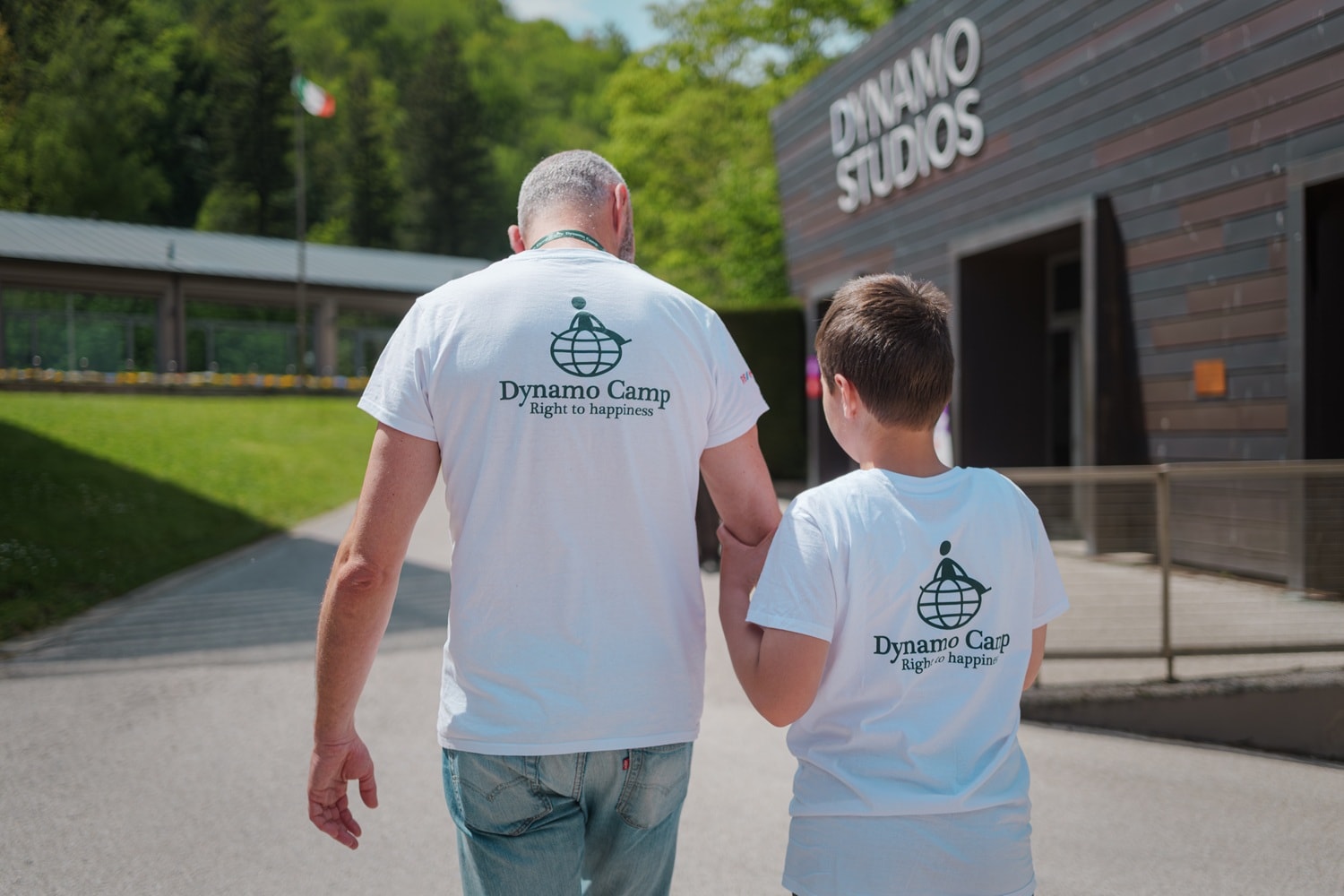
The former copper factory is being transformed into a treatment centre for more than 100 medical conditions
Founded in 2007 as a treatment centre for cancer patients, Dynamo Camp has evolved

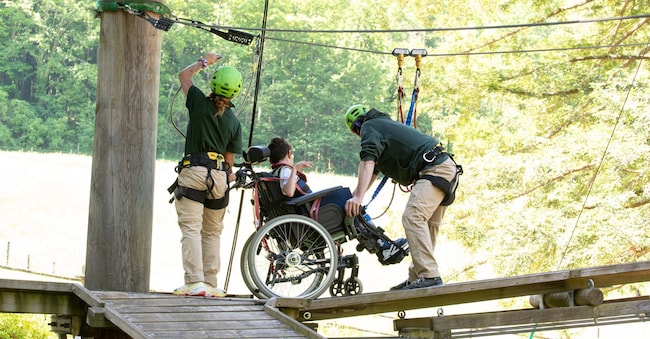
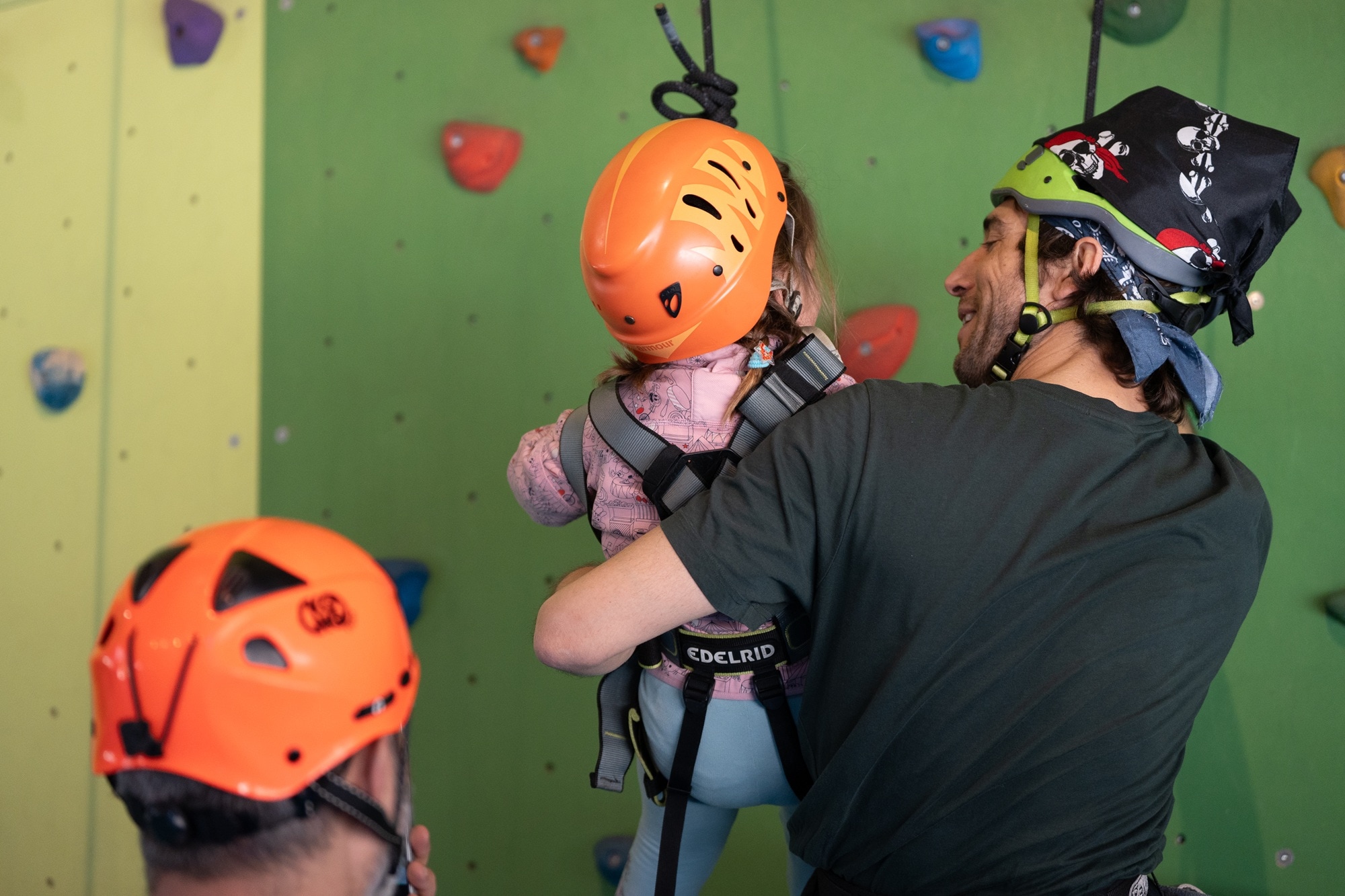
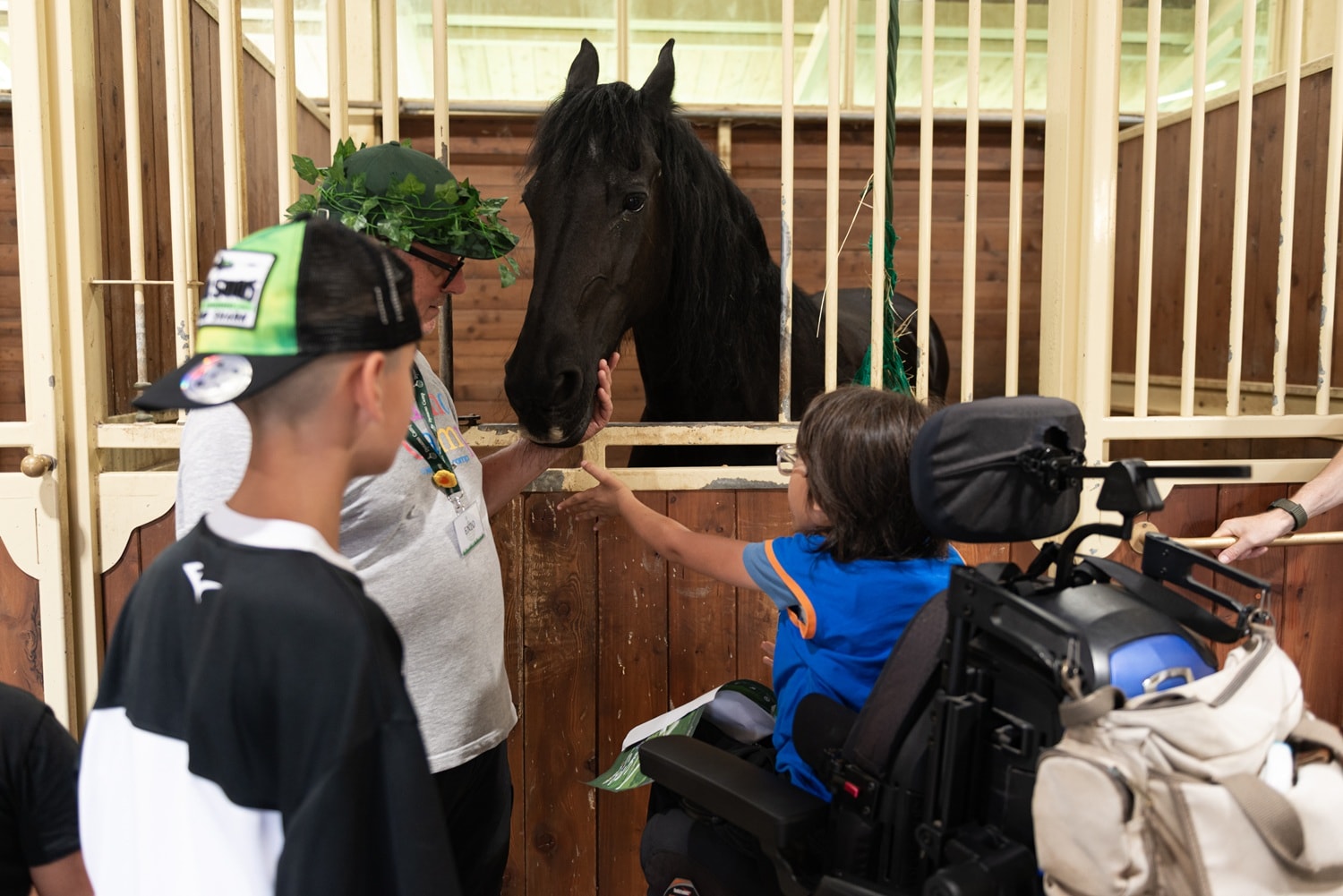
It was founded in 2007 as a summer camp to offer free stays to children with cancer (so-called ‘recreational therapy’), but in the twenty years since its inception, Dynamo Camp has gone far beyond its original remit. It has become a year-round haven of care and recreation, welcoming young people with over 100 different conditions, as well as their families.
An extraordinary project, initiated by the entrepreneur Vincenzo Manes of the KME Group (copper) in a former metalworks factory in Limestre, in the Pistoia mountains, and inspired by the charitable initiative launched by Paul Newman in 1988, which gave rise to the federation of independent camps known as the SeriousFun Children’s Network. The former factory has been transformed into a 40-hectare ‘village’, nestled within a 900-hectare WWF nature reserve, and brought to life by doctors, nurses, volunteers and staff.
The philanthropic spirit has remained intact: Dynamo Camp is funded entirely by private donations, which stood at 1.3 million in 2007 and rose to 13 million in 2026. Over the past 20 years, 120 million has been raised (40 per cent from individuals, 36 per cent from companies, 18 per cent from foundations and associations, and 6 per cent from the general public), enabling an increase in the number of patients, staff, facilities and activities.
The Dynamo Foundation, led by Serena Porcari, runs the camp and holds stakes across the entire corporate network established over time to meet a range of needs, from training to clothing, from farming to food products, from culture to the community foundation which provides services to the mountain community, such as a nursery and sporting activities.
The economic impact of the Dynamo system in a peripheral area such as the Pistoia mountains is considerable: “We are the main employer,” explains Serena Porcari, “we employ 610 people here, and more than 70 per cent are from the local area: we have become an economic hub; we have created jobs that did not exist before, transforming a place with an industrial past into a hub for the social economy.”