
Europe's four options for Hormuz
Without a swift agreement, the Strait remains a global friction point. The risk is that the crisis will result in a lasting energy, trade and security shock

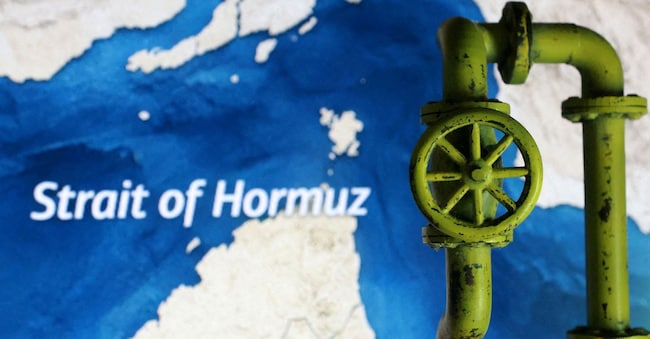
"Europe's options for Hormuz: few and risky". This is how the New York Times summarises the Western impasse over the Strait through which some 20% of the world's oil and gas passes, while the war in Iran continues to have global effects. The analysis opens with a proposal by Foreign Minister Antonio Tajani, presented at a videoconference meeting organised by the UK in recent days: the creation of a "humanitarian corridor" to ensure the safe passage of fertilisers and essential goods, in an attempt to prevent the conflict from producing famine in Africa. The plan, one of several proposals that also emerged outside Europe, was not approved and the meeting ended without a concrete agreement to reopen the strait, neither militarily nor on other fronts.
Pressure from the United States remains on the table. According to the American newspaper, European leaders are urged by President Donald Trump to commit military resources, end the blockade imposed by Iran, and contain an energy and economic crisis that is worsening by the hour. So far, however, Europe has not taken up the call to send warships and continues to discuss how to unblock Hormuz. The difficulty in finding a common line reflects both the slow pace of European diplomacy and the large number of countries involved, including those in the Gulf, who are interested in securing the strait once the war is over.Many states, including Italia and Germany, also insist that any initiative must come under the umbrella of the United Nations, a condition that risks slowing down action even further.
The analysis therefore identifies four options, none of which appear to be decisive, even assuming a halt to operations.
The first is that of naval escorts. French President Emmanuel Macron has repeatedly raised the possibility of French warships escorting merchant ships in the strait after the end of the conflict. The United States is also pushing for allies, including countries such as Japan, to protect ships flying its flag. The limitation is twofold: stocks are expensive and air defence systems may not be enough to stop attacks, particularly with drones, should Iran decide to strike.
The second option concerns mine clearance. German and Belgian officials have said they are ready to send minesweepers to clear the strait of any explosives. However, the Western military leadership is not convinced that Iran has actually mined the area, not least because some Iranian ships continue to transit it.The minesweepers could therefore be used as support for naval escorts, but without a decisive role.

