
The fuel decree is law: from tax credits to cuts in ministries, here is what it provides for
The cost of the decree, which we recall is only the first (out of three, so far) to counter fuel price rises, was 527.4 million, covered by cuts to ministries. With an amendment approved in the Senate, the source of these funds was requested to be further investigated

Key points
The first fuel decree has become law. The OK for the text (Decree 33/2026) also arrived in the Chamber of Deputies, with 147 votes in favour and 79 against. This is the measure that cut excise duties on diesel and petrol by 24.4 cents per litre from 19 March to 7 April. Which - in addition to that temporary intervention, later extended - introduced a tax credit for hauliers and companies in the fishing industry and strengthened controls against speculation.
Tax Credits
Let us start with the facilities, which have yet to be activated by implementing decrees.
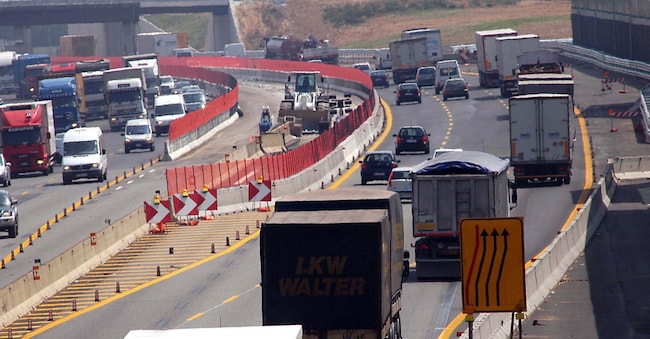
A tax credit 'commensurate with the higher expenditure' on diesel fuel incurred in March, April and May compared to February has been granted to companies in the transportation sector. The maximum limit for the intervention is 100 million for 2026.
With regard tofishing, on the other hand, a tax credit of 20% was introduced, again for expenditure incurred for the purchase of fuel in March, April and May. In this case, the limit is €10 million.
More power to Mr Price
In addition, the decree that became law strengthened the price watchdog of the Ministry of Enterprise, the so-called Mister Prezzi, for three months (i.e. until mid-June).

