Anti-crisis measures

High fuel prices: the race against time over tax credits

Following the measures included in the latest decree on excise duty cuts, the total funds allocated for tax credits have risen to 462 million. The deadline for using these credits to offset tax liabilities is the end of 2026 for all taxpayers

4' min read

Translated by AI
Versione italiana

4' min read

Translated by AI
Versione italiana

A total of 462 million euros is up for grabs. The race to use these funds will be a race against time, as the deadline for offsetting them falls at the end of the year. The tax credits, introduced to help some of the sectors most affected by high fuel prices following the outbreak of the conflict in the Middle East, have seen their funding gradually increase, alongside an expansion of the pool of potential beneficiaries and the reference months. The focus is now entirely on the ability to finalise the procedures for applications once the regulatory framework has been established through the implementing decrees.

Road haulage

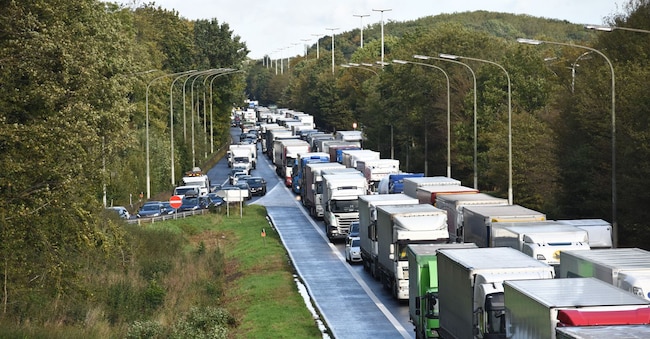
At the forefront – at least in terms of the scale of the funding – is the tax credit for the road haulage sector, with the first 300 million having just received the green light from the EU Commission, which deemed it to be in line with the Temporary Framework for State Aid linked to the crisis in the Middle East (METSAF). Meanwhile, the latest decree-law passed to cut diesel excise duties in the midst of the summer exodus of motorists (Decree-Law 133/2026) has made a further sum available for the scheme: 22 million, bringing the total ceiling to 322 million euros. And that’s not all, as the benefit has been extended to cover the additional costs incurred during the month of July.

Loading...

A measure that follows in the footsteps of previous initiatives introduced by the Government but also by Parliament. Indeed, the conversion of the ‘Accise Ter’ decree has given the green light to extend the scheme beyond road haulage companies to include passenger transport operators and bus hire companies with drivers, provided their vehicles comply with Euro 5 and Euro 6 standards.

The first step towards implementing the scheme was laid down by an interministerial decree issued by the Ministry of Infrastructure and Transport, in consultation with the Ministry of the Economy and the Ministry of the Environment and Energy Security. This decree is dated 23 May – and therefore predates the extension of the scope of the scheme to include passenger transport by road – and was published in the *Gazzetta Ufficiale* on 21 July.

The key operational details of the applications are set out in a MIT directorate decree, but the opening of the application portal on a platform managed by the Customs and Monopolies Agency (ADM), is expected to begin in September, with a window which, according to information provided by some trade associations and pending official announcements on the matter, could run from the 1st to the 15th. There will be no ‘click day’, and the tax credit may cover up to 70 per cent of the additional expenditure incurred from March to July (following Decree-Law 133) compared with the average price of diesel recorded by the Ministry of the Environment and Energy Security for February 2026.

The deadline

The deadline by which this must be claimed via the F24 form is 31 December 2026. However, to ‘soften’ this restriction, it should be noted that the relief is not subject to the annual limits applicable to offsetting, does not form part of the company’s taxable income or the IRAP tax base, and is not relevant for the calculation of deductible interest expense.

Given, therefore, that the peak period for applications and the granting of the tax credit will be between late summer and early autumn, it will be a real race against time for the beneficiary companies which, in addition to paying withholding tax, social security contributions and VAT, will find themselves having to play the tax credit card to offset their liabilities, particularly in view of the second instalment of income tax for 2026, due on 30 November.

Fisheries companies

A common thread that could also link the beneficiaries of other tax credits designed to counter high fuel prices – which primarily affect the agricultural sector – supported as well by a specific measure on fertilisers, given that around a fifth of the world’s supply passes through the Strait of Hormuz (see the in-depth article on this page).

As regards the tax credit of up to 20 per cent for businesses in the fisheries sector (for which €10 million was allocated under the first excise duty decree), the application window was open from 19 June to 20 July.

Agricultural diesel

The fuel scheme, for which a total budget of 90 million euros has been allocated, was implemented by a decree issued by the Ministry of Agriculture in consultation with the Ministry of the Economy on 23 July (see *Il Sole 24 Ore* of 29 July). The subsidy covers up to 20 per cent of expenditure on diesel and petrol purchased between March and May 2026, excluding VAT, for the operation of vehicles used in agricultural activities: from tractors to motorised irrigation pumps, right through to heating greenhouses for vegetable crops. The individual cap is set at 50,000 euros per business, in accordance with the EU’s temporary framework on state aid linked to the crisis in the Middle East. The Masaf-Mef interministerial decree setting out the rules designates Agea as the body responsible for managing the entire incentive scheme, with a fee of €200,000, which reduces the funds actually available to businesses to €89.8 million.

Loading...

An Agea circular issued on Friday evening clarified the operational mechanism, setting out the eligibility criteria: ‘active farmers’ registered as an active agricultural business in the Companies Register, or with the INPS agricultural social security scheme, or VAT-registered individuals with Ateco code 01, will be eligible to apply for the credit. Applications, which may also be submitted via the Agricultural Assistance Centres, must be lodged via the online platform by 30 September, within a window of at least 20 days. Agea will then determine the actual rate within 20 days of the deadline. The circular already provides two examples to illustrate the mechanism, showing that the full 20 per cent rate is only achievable if applications remain below the ceiling, whilst with an aggregate demand of 112 million euros, the benefit would fall to 16 per cent.

© ALL RIGHTS RESERVED

Copyright reserved ©
Loading...

Brand connect

Loading...

Newsletter

Notizie e approfondimenti sugli avvenimenti politici, economici e finanziari.

Iscriviti