
The future of culture in ten megatrends
The PoliMi Digital Innovation Observatory for Culture presents its research on the future of culture and museums over the next ten years. Artificial intelligence, technology and social issues are the megatrends with the greatest impact

Key points
What impact does artificial intelligence have on the cultural experience of museum visitors, and how is it changing the cultural offering? Can the introduction of algorithmic systems influence visitor behaviour within museums? Is there, moreover, a common thread linking the fate of the new and old generations in shaping the museum offering?
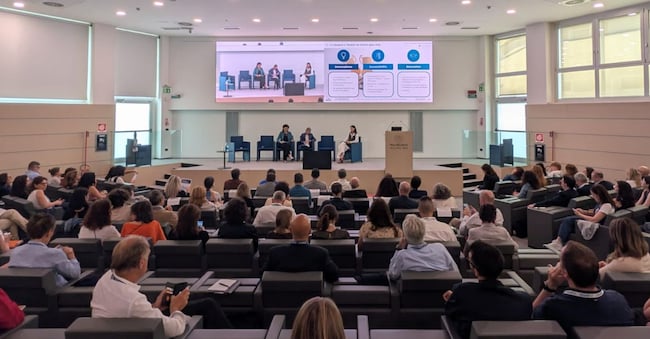
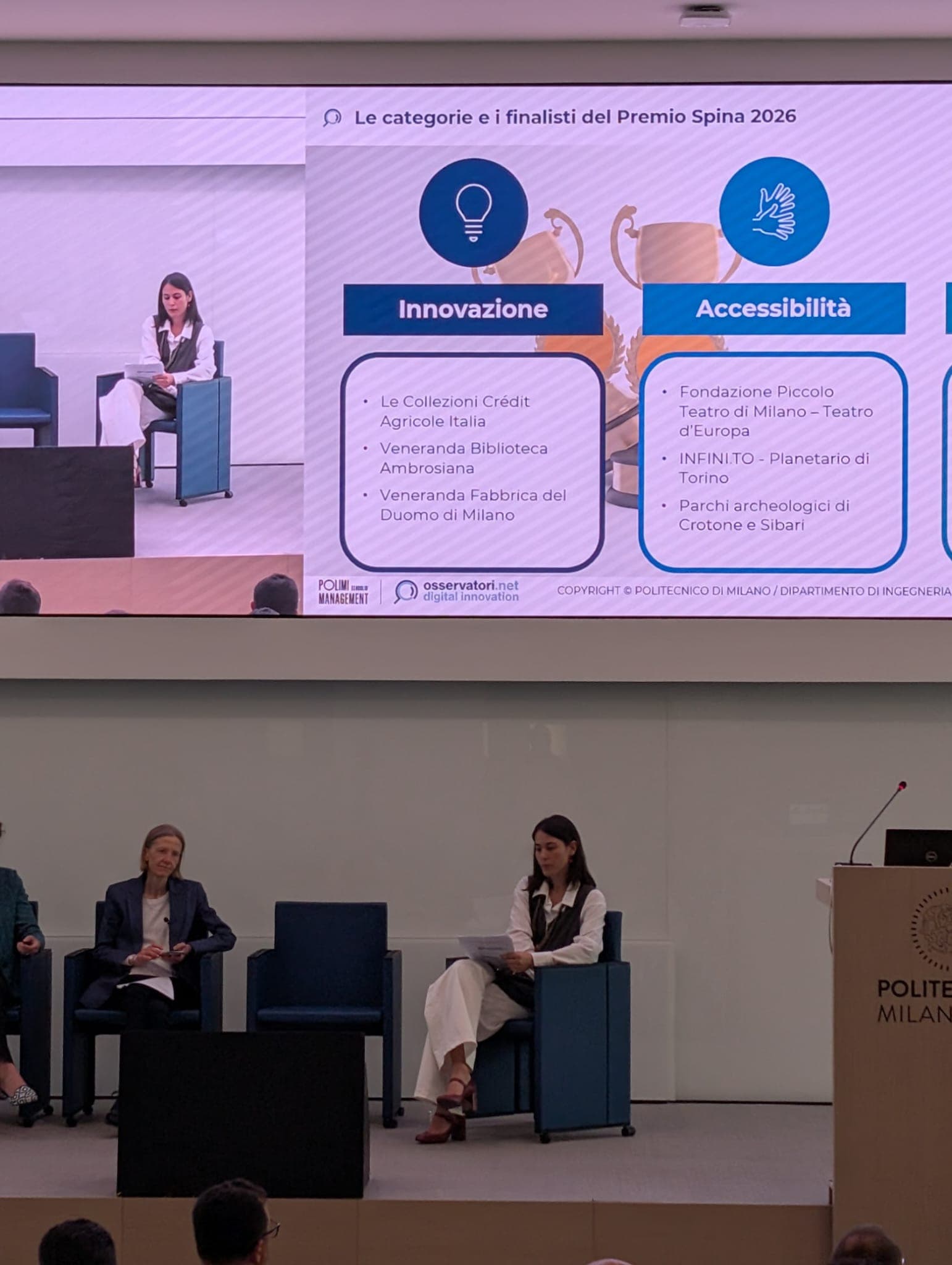
These questions were addressed at the conference “Innovation in Culture between Past and Future: the Megatrends of the Next Ten Years”, organised by the Digital Innovation Observatory for Culture at the Politecnico di Milano provided answers to these questions, ten years after its inception.
Megatrends
Drawing on its experience, the Observatory has, together with its community of stakeholders, identified and validated a number of technological and social megatrends set to shape the future of culture over the coming decade. Starting with a structured analysis of four broad categories of trends – technological, social, political-systemic and climate-environmental – a distinction was made between strong and weak trends, followed by a forward-looking projection selecting ten that will have an impact on culture.

The first megatrend concerns the personalisation of the cultural and museum experience, following the model of VOD platforms such as Netflix, RaiPlay and Prime, which offer (almost) tailor-made digital content. In this process, artificial intelligence makes a decisive contribution, enabling a more targeted, dynamic interaction that is closely aligned with the public’s needs. The National Gallery of Umbria has developed the web app AifeelGNU, based on artificial intelligence, which analyses the visitor’s initial emotional state, age and available time to suggest a personalised tour, whilst also paying attention to the user’s well-being at the end of the experience. Artificial intelligence facilitates solutions that were previously very difficult to implement, if not at very high costs, such as instant multilingual translations and accessible, dynamic interfaces capable of adapting to individual needs.
Further megatrends influenced by artificial intelligence concern the world of work, from professions to operational processes, right through to the development of cultural offerings. AI will not completely replace the work of cultural practitioners; however, according to the Observatory, AI-based tools will be able to enhance the capabilities of creatives and cultural professionals in data analysis, information research and the planning of events and exhibitions.
Platforms such as Europeana or Google Arts & Culture are already using AI to create digital ecosystems that connect people, places and digitised cultural objects, fostering new ways of engaging with and interacting with them. A further area of development concerns the efficiency of AI agents, which are theoretically capable of autonomously carrying out individual stages of the production process or, in the future, entire work cycles.
Variables
On the subject of AI, the research highlights a crucial concept: ‘trustworthy AI’, meaning trust in AI based on its reliability, transparency and adherence to recognised ethical principles; conversely, the misuse of artificial intelligence can act as a significant deterrent.
Vibe-coding allows for the development of applications and web interfaces without the need for advanced programming skills, significantly reducing development time and costs. These features are particularly useful for small cultural and creative enterprises, which often struggle to respond promptly and efficiently to the requests and needs of institutions, precisely because of their limited available resources.

