
The globetrotting photographer who captures the essence of the finest architecture
Massimo Listri. Over the years, he has developed his own unmistakable style. The interiors and spaces he designs take on a sense of meaning and wonder. He sells his work abroad, is a collector and loves the good life

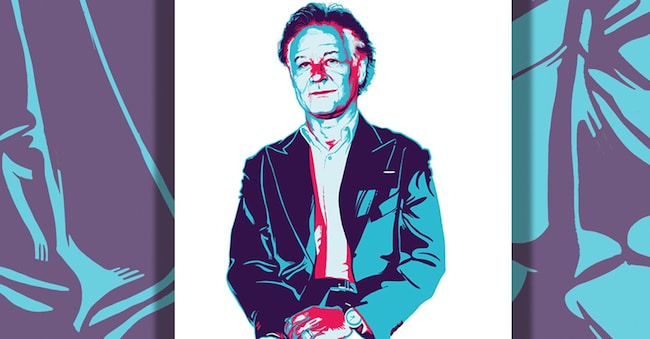
‘I’m not quite sure what I do. There’s no clear definition of my profession. There aren’t many of us who photograph architecture and environments. In the 1970s, photography was either industrial or social – or it wasn’t at all. To make a living, I worked with great satisfaction for major international magazines such as *Life* and *Stern*. There were never any budget constraints when it came to photo-essays. I could spend a month in Laos, two in Mexico and another month in Australia, without anyone in administration uttering a word. Newspapers were extremely wealthy. The fees paid to photographers were very high – even higher than those already generous sums paid to the writers. In developing my visual identity, I then focused on architecture and interiors.”
‘I’m not quite sure what I do. There’s no clear definition of my profession. There aren’t many of us who photograph architecture and environments. In the 1970s, photography was either industrial or social – or it wasn’t at all. To make a living, I worked with great satisfaction for major international magazines such as *Life* and *Stern*. There were never any budget issues when it came to photo-essays. I could spend a month in Laos, two in Mexico and another month in Australia, without anyone in administration uttering a word. Newspapers were extremely wealthy. The fees paid to photographers were very high, even higher than those – already quite generous – paid to the writers. In developing my visual identity, I then focused on architecture and interiors.’
Massimo Listri, born in 1953, actually has very clear ideas. He has been closely involved with the Italian and international press during the golden age when newspapers were proper newspapers, rather than the hollow, insubstantial shells they are today. He has ventured into the aesthetics of interior and architectural photography, developing a recognisable style capable of balancing conceptual aspects with emotional resonance. With his ability to combine elite, yet unsnobbish, research with popular – yet never vulgar – taste, he has founded a veritable school of architectural and interior photography which, owing to the originality of its vocation, has but one member: himself.
We’re at the Trattoria del Carmine, in Piazza del Carmine. The heat stays outside. The landlord has managed to create a series of small draughts of fresh air by leaving the windows and doors open. It’s the middle of August, yet there are no Italian or foreign tourists at the tables. Everyone here is Florentine, all from the neighbourhood. The men and women are busy tucking into course after course and drinking red wine from carafes. One of them can’t take it any longer and undoes the top five buttons of his shirt. This gesture of surrender to the heat may not be elegant, but it is human. It moves me to think that, whilst Listri and I are here together and the Florentines on their lunch break are laughing and joking loudly, in the church next door lie Masaccio’s frescoes, in the silence and beauty of the centuries. The landlord brings the menus and doesn’t take it very well when we say no – it’s too hot – just mineral water, no Chianti and not even a Morellino di Scansano.
Massimo, who faced significant financial difficulties in his youth (his father, Pier Francesco, was a gentleman unaccustomed to practical matters, much like ‘Conte Max’ in Vittorio De Sica’s film, and inclined towards the good life, much like the characters in Mario Monicelli’s *Amici Miei*), has achieved international success and a level of financial and material prosperity which, in the cultural sector, is the privilege of only a few – indeed, very few indeed. His financial prosperity is based – in particular – on the substantial income guaranteed by art galleries and dealers in the United States, where he sells 70 per cent of his works at significant prices and in the face of constant and robust demand. This market response complements the recognition he receives from institutions, as evidenced, for example, by the commissions entrusted to him by the Quirinale for photographs, books and exhibitions. This collaboration with institutions has not, however, rendered his style dull and serious, nor his demeanour pompous and falsely modest.


