
'The Big Loom', the book-reportage revealing the stories and secrets of Italian textile manufacturing
Chiara Beghelli's book, published by Luiss University Press, is a journey through the wool mills of Biella and Prato, the silk of Venice and Como, and the producers of recycled nylon. Among global names, innovators pursuing sustainability and secret laboratories guardians of ancient knowledge, we also discover little-known stories such as that of broom in Calabria and byssus in Sardinia

5' min read
5' min read
Fabric and thread: two nouns that, together with related verbs and adjectives and related words, are the most commonly used, with more or less metaphorical meaning, to describe the world and especially the relationships between people as well as the evolution - or involution - of societies. It happens in many languages (think of the French fil rouge ) and is certainly not a habit of the past. What name did Mark Zuckerberg choose for one of his most recent bets, his personal challenge to Elon Musk and the X-fu-Twitter platform? The Facebook founder named the new social network Threads: threads, literally, or also third person singular of the verb to thread, to spin. Technology and the post-internet world are no strangers to plundering textile imagery, and Zuckerberg was not particularly original. By thread we have been referring to a particular type of network protocol for many years, and some time ago Google launched an open source version of it, called OpenThread. But we could continue, returning to Italian, by thinking of weft and warp. Two words that in the language of textiles indicate, respectively, the group of horizontal and longitudinal threads that make up the fabric, but that we also use to talk about books and human activities, particularly complex ones.
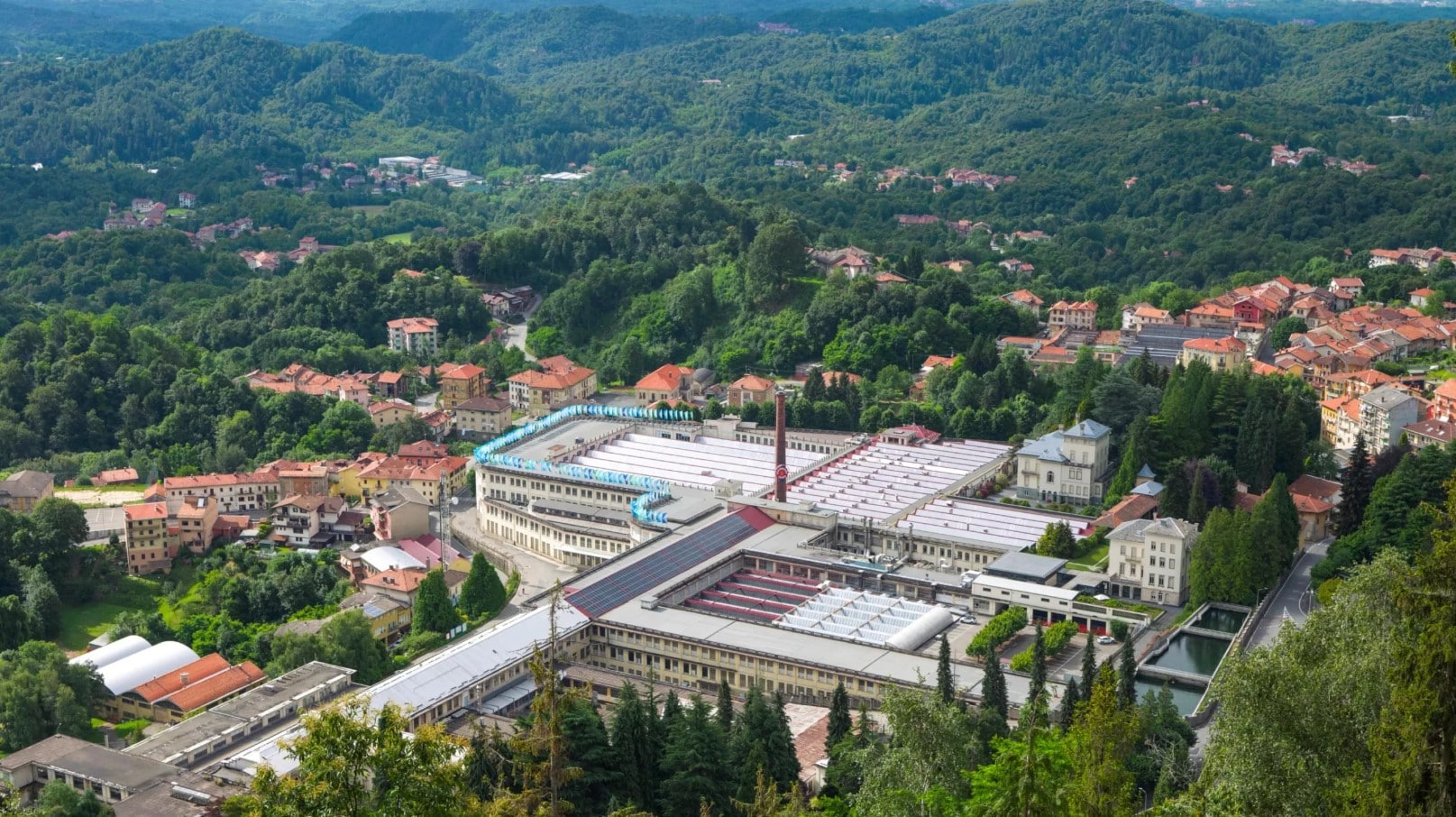
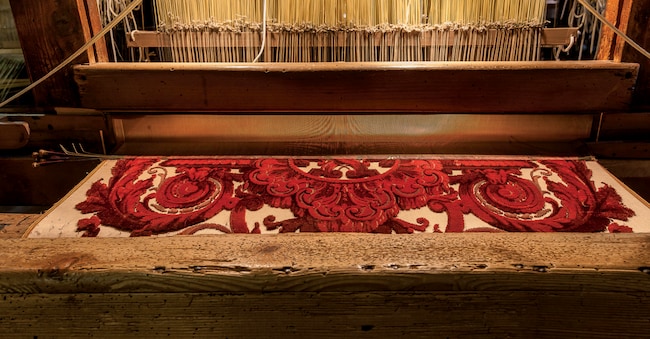
Chiara Beghelli did not have to - nor did she want to, of course - take a metaphorical or linguistic journey into the world of threads, yarns and fabrics. In her book The Big Loom. Storie e segreti della manifattura tessile italiana , just published by Luiss University Press (in the Bellissima series directed by Nicoletta Picchio) with a preface by the fashion designer Antonio Marras, who over the years has often spoken of the central role played by fabrics in the creative process leading to a collection of clothes and accessories. The author proposes an 'old-fashioned' reportage, prepared with research and study and then made of short and long journeys, by train or by car, up and down Italy, and of chats and meetings (to speak of interviews would be reductive). A journey-reportage that did not follow precise latitudes or geographical hierarchies but, rather, threads, used to set in motion 'the great loom of Italian manufacturing', which includes well-known names, such as the Venetian Lanerossi and Loro Piana and Zegna, authentic Piedmontese glories, alongside others less well-known to the general public, such as the Antico Setificio di Firenze, the Linificio e Canapificio Nazionale (near Bergamo) or the cooperative Nido di seta, in the Catanzaro area.
The inspiration for the book was almost certainly the realisation that fashion as most of us know it - the one we see on the catwalk, online and then in the shops, in our own wardrobes and on the bodies of others, including the stars on the red carpets - would not exist without textiles. Not only because yarns and fabrics are the raw material from which our clothes and some of our accessories are made. Yarns and fabrics are also - not to sound like an oxymoron - the stuff of designers' dreams (and also, throughout history, of the visions of certain protagonists of textile art).
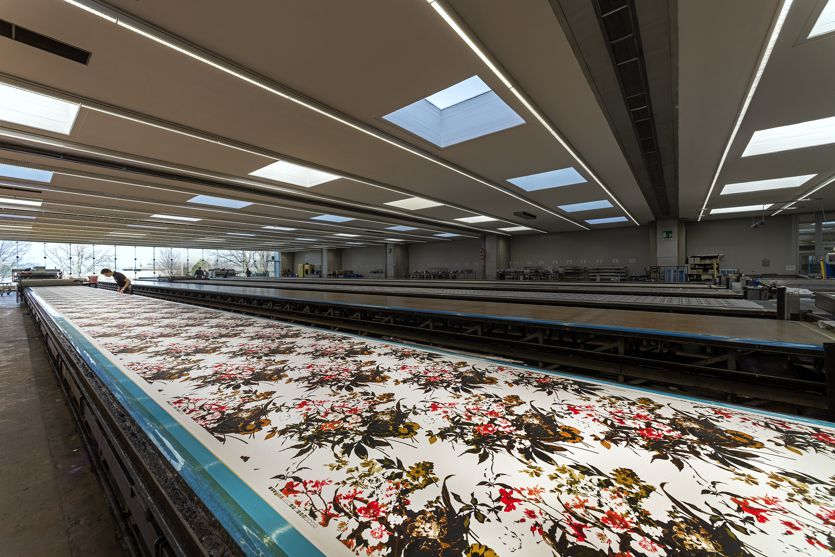
It is on the observation and knowledge of fabrics that the creativity of stylists and increasingly of designers in the home furnishing sector is nourished, and it is thanks to dialogue and collaboration with those who imagine, improve and innovate yarns and fabrics, and then produce them, that the ideas of stylists and designers can be transformed into collections. A sort of creative and productive ping pong where in the end everyone is a winner and that in the case of Italy involves the entire country, 'dresses' it, like the weave of a fabric made up of warp and weft. Textile companies with a long history - and there are many of them in Italy - have carefully and lovingly preserved their respective archives and the fabrics are collected in leather-bound volumes that make the rooms that house them resemble ancient libraries. Archives that are often visited by students from fashion schools, both Italian and international, and by stylists, young or experienced, always and in any case in search of inspiration.
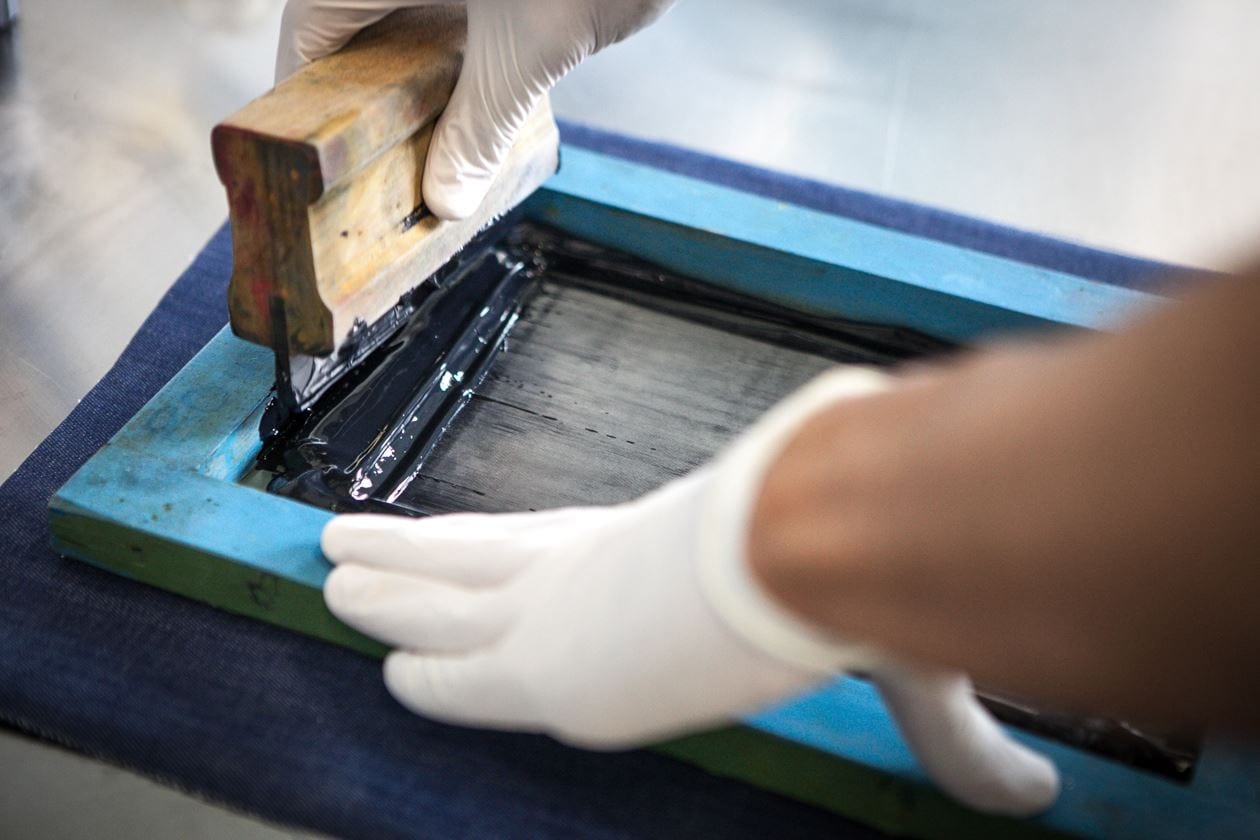
Those who love fashion, study it, follow it, write about it - also from a historical and economic point of view, like Chiara Beghelli, a journalist at Sole 24 Ore since 2007 - cannot help but love textiles with equal if not greater enthusiasm, although they are more difficult to know, study, understand and recount. The author has succeeded in this, filling a gap: there is no lack of texts on the history of textiles in individual countries, geographical areas or historical periods. And there are texts and catalogues, technical and more popular or authentically didactic on existing textiles. What was missing, however, was a photograph of Italian manufacturing, whose present is inextricably linked to the history of European and world textiles. A photograph that is all the more necessary and useful today because, in economic terms but also in terms of image and knowledge, textiles are the most fragile part of the clothing and fashion system, which for Italy is worth more than 100 billion euros and over 600,000 people employed.


