
The heatwave is failing to boost sales of air conditioners: down by 150,000 units so far in 2026
According to figures from Assoclima, the first half of the year saw a decline in production

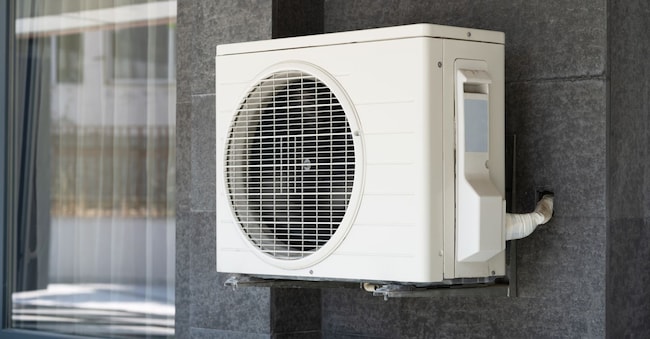
The heatwave has failed to boost sales of air conditioners. On the contrary: the first half of 2026 ended on a negative note for one of the summer season’s iconic products. The figure emerges from the statistical survey by Assoclima (the association of air-conditioning system manufacturers affiliated with Anima Confindustria), covering the period from January to June.
Single-split and multi-split air-conditioning units, therefore, have seen a decline in both volume and value compared with the same period in 2025. It should be emphasised that this is one of the most significant segments of this market: in the first half of the year, around 1,650,000 units were sold, generating a turnover of just over 1.2 billion euros. These are huge figures, but lower than last year’s.
In particular, single-split systems recorded a fall of 9.8 per cent by volume and 7.8 per cent by value, whilst multi-split systems limited the decline to 5.5 per cent by volume and 6.9 per cent by value. Bucking the trend, among others, were multi-split systems with domestic hot water production, which rose by 25.5 per cent in volume and 14.4 per cent in value. Overall, around 150,000 fewer units were sold compared with last year.
There are several factors behind these figures: ‘Air conditioning,’ says a statement from the association, ‘remains an impulse purchase, heavily influenced by weather conditions.’ In other words, many consumers do not yet consider the various functions a heat pump can serve, but focus on cooling. The figures for 2026 were therefore influenced by a weather pattern that differed from that of 2025. “After a start to the year characterised by weak demand,” the statement continues, “the intense heat only arrived in the second half of June, by which time the first-half survey was already drawing to a close.” The recovery in orders and the subsequent restocking of the distribution network “were concentrated between the end of June and July, suggesting a possible recovery in the third-quarter figures”.
However, there are other factors to consider as well. The sector’s performance has also been influenced by the comparison with 2025, a year characterised by particularly dynamic market conditions, ‘the level of remaining stock throughout the supply chain’, greater caution in purchasing on the part of retailers, and ‘the continuing economic uncertainty faced by households, exacerbated by energy costs’.


