

The human genome has a barcode. And now we can read it
At the Sapienza University in Rome, they have deciphered the hidden structure of centromeres, regions hitherto considered 'genetic darkness'. The study, published in Science, opens up new avenues for the diagnosis of tumours and hereditary diseases
3' min read
Key points
3' min read
There is a new map in the human genetic territory. And it comes from Rome. A group of researchers from the Sapienza University of Rome, led by biologist Simona Giunta, from the Charles Darwin Department of Biology and Biotechnology, has for the first time deciphered the organised structure of the centromeres, central regions of chromosomes that until now were considered too complex to analyse. The results, published in the prestigious journal Science, open up promising scenarios for understanding genetic diseases and tumours.
Every cell in our body, in order to divide correctly, must precisely copy its DNA. At the centre of each chromosome is the centromere, a kind of 'bottleneck' that holds the two symmetrical halves of the chromosome together and plays a crucial role in this delicate operation. But centromeres, composed of very long repetitive DNA sequences, have remained a grey area of genetics for decades.
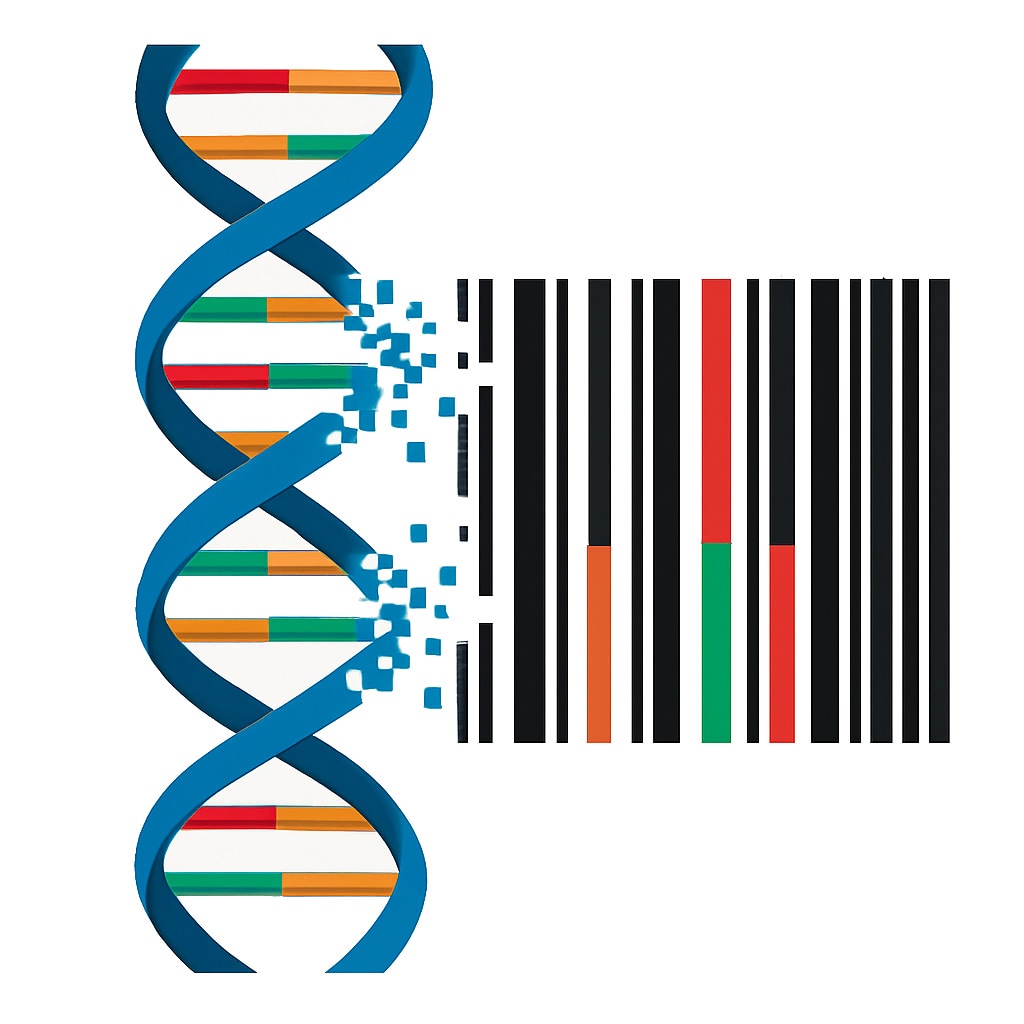
Thanks to new sequencing technologies and sophisticated algorithms, the Giunta Lab team was able to decipher this complex region, revealing that each centromere has its own specific 'signature', a pattern as unique as a bar code. And that's not all: the same pattern is repeated in different people, suggesting that there is a consistent and conserved organisation in all human beings.
'We have discovered that each chromosome has its own recognisable centromeric code,' explains Simona Giunta, 'and that this pattern can be used to analyse variations between individuals or in the presence of diseases.
The researchers also identified a recurring element in these sequences, dubbed 'centenia', which is found not only in the centromeres, but also along the chromosome arms. This element could become a new tool for navigating those regions of the genome hitherto excluded by traditional analyses.


