
Hybrid remains the centre of Toyota's offering
Technology and powertrain

2' min read
2' min read
Toyota, like other manufacturers, has responded to the slowdown in sales of battery-powered models by putting its plans for electrics on hold, stating that it nevertheless remains focused on its global objectives of new battery-powered vehicles of 1.5 million units by 2026, thanks in part to a pact with its partner Suzuki. At the centre of Toyota's future offer is at this point increasingly the hybrid, but also plug-in and in perspective hydrogen in collaboration with other car brands in search of alternative solutions. The Japanese have always held the hybrid in high regard because it remains the brand's flagship.
Hydrogen, on the other hand, is also a challenge to be tackled with other brands. It is no coincidence that Toyota recently signed a collaboration with the BMW group. As is well known, it was the former CEO Akio Toyoda who raised concerns about electric power within the Toyota group, the world leader with more than 10 million vehicles a year, who had prioritised the multi-energy strategy as the turning point in electrification, the only one capable of satisfying the needs of buyers with models of quality and sustainable prices as well as usability capable of responding to all possible uses.
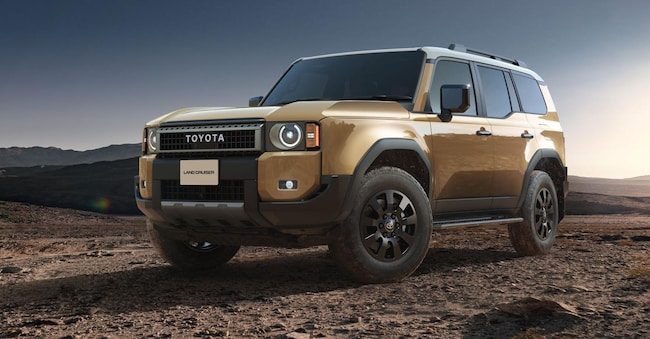
Based on the fact that the enemy to be faced remains emissions, Toyota's approach is a multi-technological one, combined with motorsport, which is the laboratory for developing complementary solutions to electric vehicles such as hydrogen, but also e-fuels ideal for future mobility for all with accessible technological solutions especially in the compact car sector such as two of its Yaris and Yaris Cross models: it will always be the buyer who decides for Toyota. To achieve this ambitious goal, the Japanese brand has decided to join forces with other brands in the group, namely Mazda and Subaru. Together they are designing electrified engines, but optimising their integration with batteries and other electric elements. All to be hybrid but compatible with carbon-neutral fuels, including e-fuels, biofuels and liquid hydrogen. But Toyota believes that among the priorities will still be the endothermic engine, albeit electrified, to offer mobility especially for more extreme uses such as those of the brand's flagship off-roader, the Land Cruiser.
With 70 years and 11 million units sold behind it, like the last one dated 2024, the new one remains faithful to tradition, but evolves in every aspect, including the engine, still a diesel, but from 2025 a mild hybrid version will arrive. The lion's share of the technology is provided by the Multi-Terrain Monitor and Multi-Terrain Select with high-resolution cameras and, for the asphalt variants, Level 2 driver assistance.

