
The war in Iran wipes out two years of gains in purchasing power
Since January, the gap between wages and prices has widened from 7 to 9.7 percentage points, and purchasing intentions have fallen by 2.7 per cent

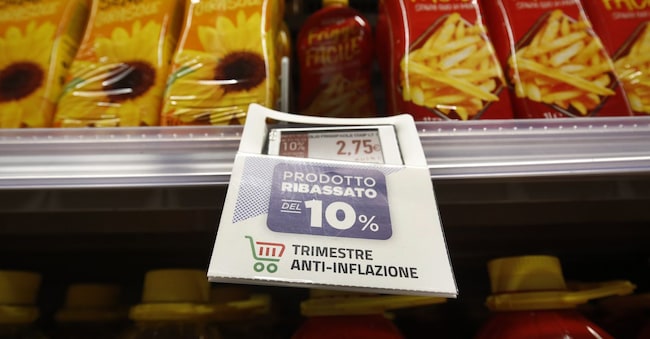
Four months of war in Iran have wiped out two years of pay rises in Italy. In January, the gap between prices and wages that had built up since 2021 had fallen to seven percentage points; by July, it had returned to the levels seen in May 2024: 9.7 points. Over five years, prices have risen by 22.7 per cent, whilst employees’ wages have risen by 13 per cent.
The analysis comes from the Findomestic Observatory, which compares price trends with employees’ wages (representing almost 80 per cent of the workforce).
The interrupted recovery
The lowest point had been reached in December 2022, when the gap between wages and inflation had hit 13.4 points. Since then, collective agreement renewals and the slowdown in price rises had made up for some of the shortfall. In January 2026, the outlook appeared favourable; then came the war, disruptions to shipping through the Strait of Hormuz and a fresh surge in energy commodity prices.
In the first quarter, the disposable income of Italian households had risen by 1.6 per cent compared with the previous three months; purchasing power, as calculated by Istat, had risen by 0.8 per cent; and the savings rate had risen to 8 per cent.

