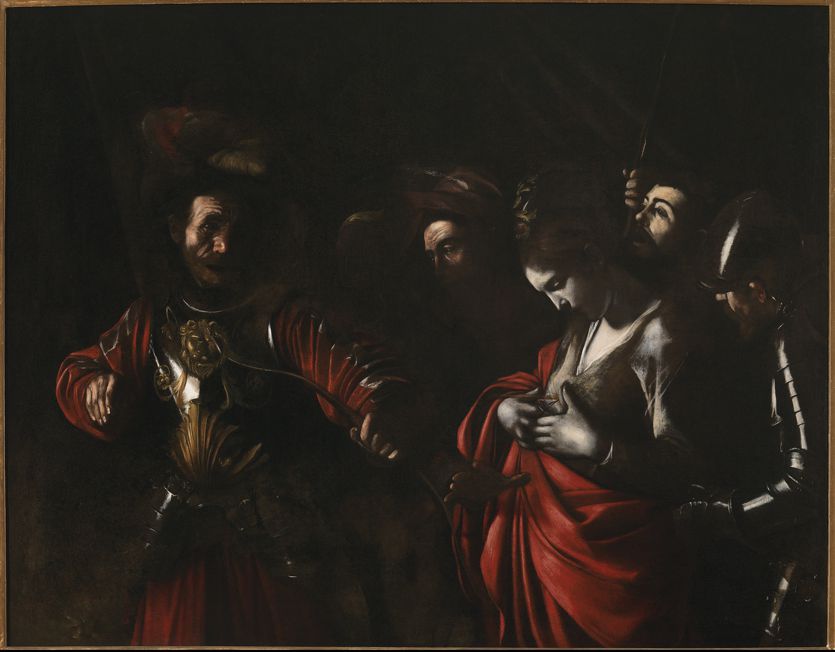
The Last Caravaggio at the National Gallery
On loan to London museum the 'Martyrdom of St Ursula' from 1610
2' min read
2' min read
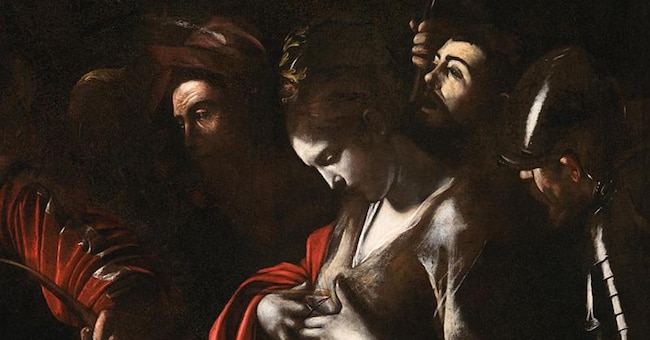
From the Gallerie d'Italia in Naples a splendid gift to the National Gallery, which this year is celebrating the 200th anniversary of its foundation: Intesa Sanpaolo has lent the London museum the last painting by Michelangelo Merisi da Caravaggio, the "Martyrdom of St. Ursula" of 1610. In fact, it is a gift to all Londoners, resident and passing through, who for the first time in twenty years will be able to admire Caravaggio's masterpiece in a small, free-entrance exhibition.
"The Last Caravaggio" combines the Martyrdom of St. Ursula with another work from the last year of the tormented artist's life: Salome with the Head of the Baptist, which belongs to the National Gallery. Both paintings are late attributions - Saint Ursula in 1980, Salome in 1970 - that have shaken up studies on Caravaggio and shed new light on the last months of his life.
In a display case is the original letter, in the State Archives in Naples, sent in Genoa to Marcantonio Doria, the commissioner of the work, which proved its authenticity. Everyone who has seen it has been 'amazed', assures Lanfranco Massa, Doria's Neapolitan prosecutor.
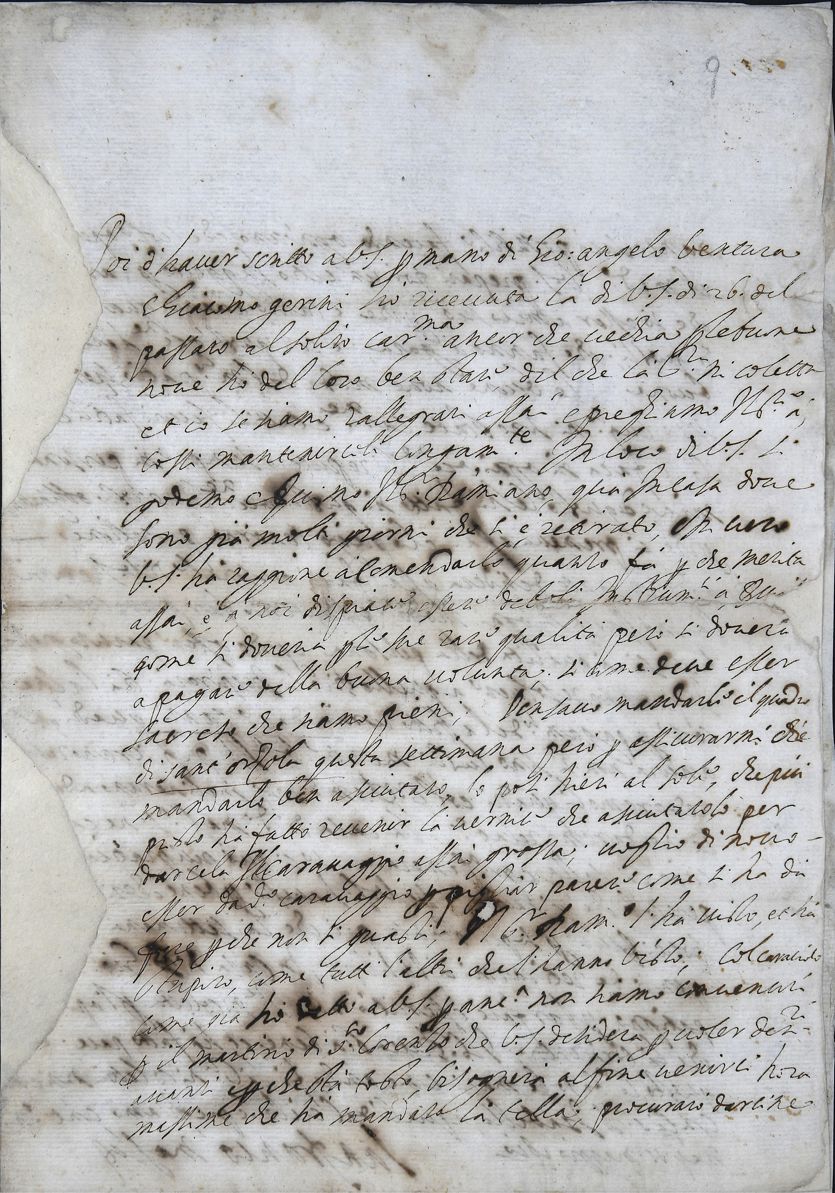
The painting, freshly painted, arrived in Genoa on 18 June 1610. The following month Caravaggio left Naples in the hope of returning to Rome to be rehabilitated after the murder he committed in 1606 and the capital banishment that forced him into exile, but he never reached his destination. On 18 July 1610, in Porto Ercole, the artist died of a violent fever at the age of 39.
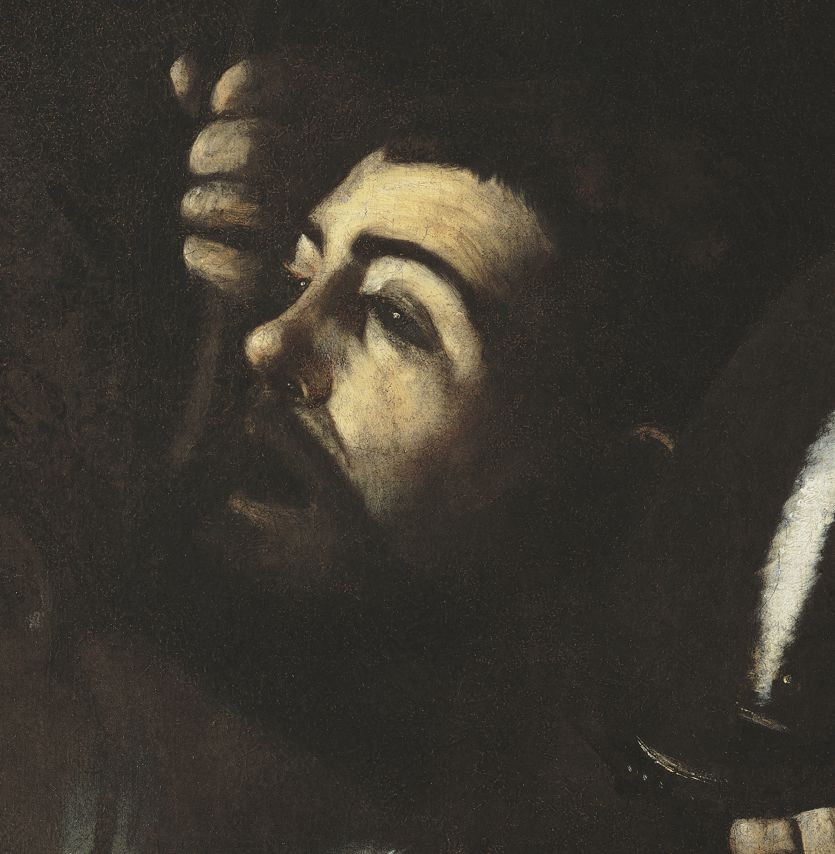
The Martyrdom of Saint Ursula
.The Martyrdom of St. Ursula contains and reflects all the turmoil, violence and drama of the last years of Caravaggio's life on the run. Caravaggio wanted to be part of the painting with his last self-portrait, his pale face immediately behind the waxy face of the early Christian virgin martyr, a helpless and desperate witness of her martyrdom.