
The many reasons for voting ‘no’ in the referendum, as set out in a book
Marco Travaglio outlines the boundaries of constitutional resistance in a book featuring contributions from Nicola Gratteri and Gustavo Zagrebelsky

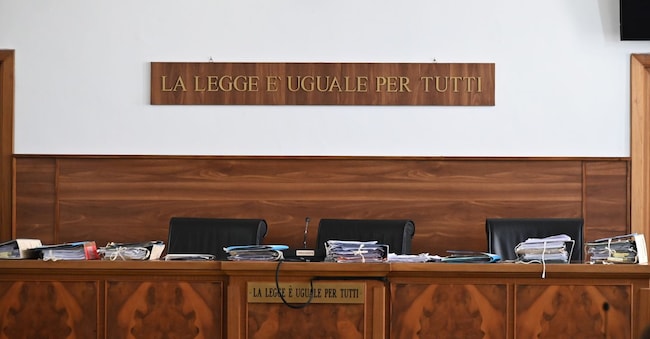
Is what has been presented as judicial reform actually something quite different? Is it a form of retaliation by a certain political faction against a certain section of the judiciary, aimed at shifting the constitutional balance in favour of impunity for the former and to the detriment of the autonomy and independence of the latter?
It is Marco Travaglio who poses these questions and offers incisive answers. The journalist and editor-in-chief of *Il Fatto Quotidiano* does so in his book *Perché NO. A Guide to the Referendum on the Judiciary and Politics in a Few Simple Words*, a volume that aims to shed light on dynamics that are often obscure to the general public.
The author (with contributions from Nicola Gratteri and an introduction by Gustavo Zagrebelsky) launches a scathing attack on the five referendum questions that aimed to radically overhaul the Italian judicial system. The book reads like a practical guide: the author proves highly skilled at unravelling technical questions – often couched in obscure language – whilst explaining to the reader what the practical consequences of a ‘Yes’ vote would be.
The relationship between the judiciary and politics
At the heart of the text lies what in Italia is a true ‘eternal conflict’: the relationship between the judiciary and politics. The separation of these functions is one of the key arguments put forward by the referendum’s proponents, whom Travaglio firmly opposes; if we separate these careers, the public prosecutor will sooner or later come under the government’s control, losing their independence. For the author, the public prosecutor must remain a ‘guardian of the evidence’ alongside the judge to ensure that the law is the same for everyone, even for those in power.

