
Marasco's success and the persistence of the novel

3' min read
3' min read
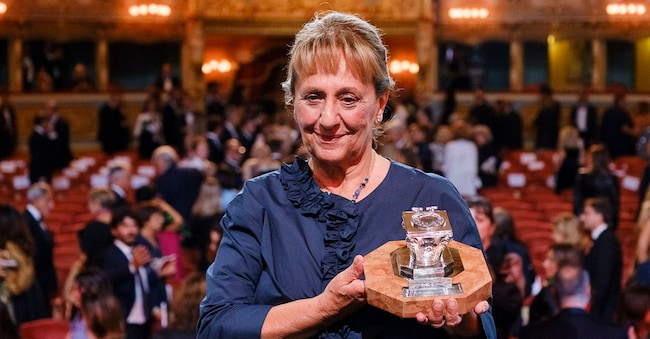
In the splendid setting of the La Fenice Theatre in Venice, the Campiello 2025 prize was won by the most traditionally narrative book: Di spalle a questo mondo by Wanda Marasco (formerly Costa Smeralda Prize winner): confirmation that readers still prefer the novel in the classic and popular sense of the term.
This year's Campiello shortlist was the result of courageous choices made by the literary jury and in keeping with the ever-innovative history of the prize, which from the very first edition had chosen a daring and disorienting text such as La tregua by Primo Levi. But even the readers, while finally opting for Marasco's novel, made a substantial contribution to Bebelplatz by Fabio Stassi, a narrative with a strong historical and civil perspective on the Nazi book burnings that is ideally linked to Levi's book. "Where books are burned," says Stassi, quoting Heinrich Heine, "people end up being burned as well. Defending books therefore means defending human life, allowing freedom and existence.
The other finalist books are also expressions of a search for identity and freedom that testifies to the urgent need for authenticity that distinguishes our days. In North North Marco Belpoliti goes in search of geographical borders that are indicative of a lucid and radical exterior and interior journey: "borders are a labile, elastic and arbitrary thing, they are often fantastic and fanciful", so that "everything is relative and depends on how you look at things": which is an intense and dramatic insight into today's dramas, an invitation to reflect on the reasons and tragedies of History, of which we can be spectators, accomplices and protagonists.
In Alberto Prunetti's Troncamacchioni, set in the Maremma in the early 1920s (when Fascism was violently implementing its authoritarian counter-revolution), anarchists, communists and socialists, shoemakers and woodcutters, resolutely oppose the bursting and growing totalitarianism; precisely by 'truncationists', i.e. by those who in the harsh metalliferous forests of Tuscany defeat the imprisoning 'stain' of nature and society with utopian confidence and bravado.
In the stories of Monica Pareschi's Inverness (the title refers to the northern Scottish town and the concept of 'winterness' as a physical and mental season) there is a common undercurrent of life's wounds and offences, of urgent and radical reckoning, in the view learned from the beloved Thomas Hardy that 'if truth discloses an offence, it is better an offence disclosed than a truth concealed'.


