
The Ursula von der Leyen moment,
by Catherine E. De Vries, Simon Hix, Isabell Hoffmann
 Aggiungi Il Sole 24 Ore
ai preferiti su Google
3' min read
3' min read
The list of reforms the EU needs to make is long. With the ongoing war in Ukraine and Gaza, and the cooling of relations between China and the United States, the EU needs to integrate the defence sector to face new geopolitical challenges. Economic and monetary union may not be sustainable without greater fiscal integration and a strengthening of the European Single Market. New technologies must be harnessed to generate prosperity for the next generation. The EU-27 is committed to enlargement to 30 or more Member States.
Yet turnout in European elections is always low, not least because their outcome has little impact on the orientation of the Commission and the choice of its leadership. But a window of opportunity is opening, and European leaders should exploit it.
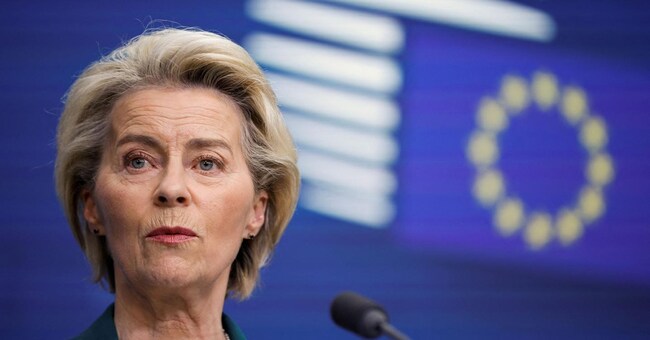
Previous presidents of the EU Commission, such as Jean-Claude Juncker or José Manuel Barroso, were unknown to most of the public. But our latest survey, www.eupinions.eu, shows that today a large majority of Europeans know that Ursula von der Leyen is at the head of the Commission: the German politician has captured the voters' attention like no other EU leader before her. Almost 75% know her name and recognise her face.
Public attention to the EU's coordinated responses to the two major crises that unfolded during her first five-year term - the Covid-19 pandemic and the war in Ukraine - seems to have played a role in giving her much greater recognition than that of her predecessors, such as Jean-Claude Juncker, who had a 40 per cent notoriety.
Von der Leyen's pronounced profile has also come in for criticism. For example, for her tendency to act alone. During an unscheduled trip to Israel after the 7 October attacks, she expressed unconditional support for the country in its battle against Hamas. Such sharpness would have been appropriate for the US president, but not for the Commission president, since the EU member states do not have a uniform approach on the issue. The EU's top diplomat, Josep Borrell, publicly reprimanded Von der Leyen for not working on a common position for the entire EU.

