
The Nazca Lines in Peru: four fatal accidents in the last 18 years
The Peruvian archaeological site, famous for its geoglyphs, attracts 100,000 tourists a year. However, there have been several previous incidents involving sightseeing flights over the area

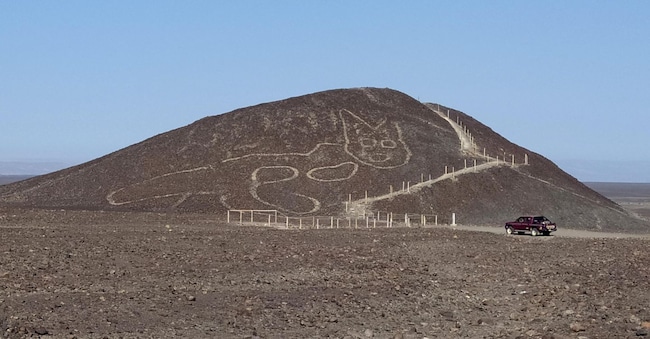
The Nazca Lines are among the world’s best-known and most mysterious archaeological sites, but they are also a tourist destination that has been marred by numerous air accidents over the years. Situated in the desert of southern Peru, some 450 kilometres from Lima, they attract around 100,000 visitors every year, many of whom choose to fly over the area to view the famous geoglyphs from above – large markings etched into the ground that are only clearly visible from a certain height.
A heritage unlike any other in the world
The archaeological complex covers an area of approximately 75,000 hectares in the desert plains of the Rio Grande de Nasca basin and was constructed between the 8th century BC and the 8th century AD. Over the course of almost two thousand years, the peoples who inhabited the area carved thousands of giant figures into the ground, depicting animals, plants, geometric shapes and human figures.
Among the most famous images are the whale, the monkey, the cacti, the flowers and the so-called “Astronaut”, an anthropomorphic figure about 30 metres tall carved into the side of a hill. Their meaning is still a matter of debate. Among the hypotheses put forward by archaeologists are religious and ceremonial functions, the identification of underground water sources, or even a possible use as an astronomical calendar, thanks to the alignment of certain geoglyphs with the Sun and the stars during the solstices and equinoxes. The site was inscribed on the UNESCO World Heritage List in 1994.
Why do people fly over the Nazca Lines
The sheer size of the geoglyphs makes it impossible to take in their full shape from ground level. For this reason, a market has developed for companies specialising in scenic flights, which allow tourists to view the figures from above. Those who prefer to stay on the ground can instead use a number of raised viewing platforms, although these offer a more limited view.
However, these flights can be dangerous. The tight manoeuvres required to demonstrate the aerobatic manoeuvres to passengers, combined with strong desert winds, the use of ageing aircraft and, in some cases, inadequate maintenance, are among the hazards underlying the accidents that have occurred in the area.

