
The new BMW i3 goes into production in Munich: a new era begins for the Neue Klasse
Production of the BMW i3 has begun in Munich. Costs have been cut by 10 per cent and the historic plant is now dedicated solely to electric cars.

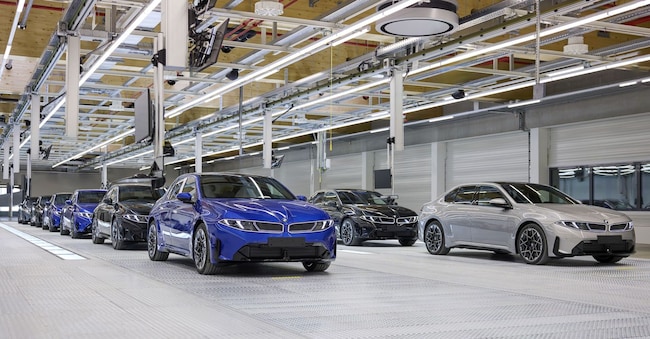
The BMW Group plant in Munich has commenced series production of the new BMW i3, the second model based on the Neue Klasse architecture. The project has enabled production costs to be reduced by 10 per cent compared with previous production runs.
This result is the outcome of coordinated planning between the development departments and suppliers, as well as the introduction of advanced automation and digitalisation processes. Although the car is not yet available on the market, the German manufacturer has already seen high levels of demand since pre-orders opened.
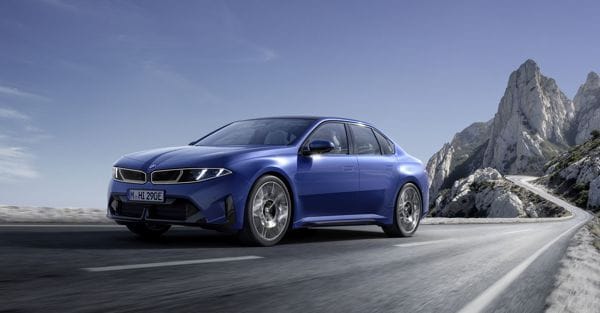
The launch of the i3 marks the end of a four-year transformation programme, during which the plant maintained a steady production rate of up to 1,000 vehicles a day. A third of the production area has been redesigned, with the construction of a new body shop, an assembly line and dedicated logistics areas.
Since 1975, the Bavarian plant has assembled over nine million 3 Series vehicles. The current industrial plan sets out a clear objective: from 2027 onwards, the plant will produce only fully electric vehicles.
The components for the new i3 are manufactured across several of the group’s production sites. The sixth-generation electric motor is assembled at the Steyr plant in Austria, where new production lines are in operation for the integrated manufacture of the rotor, stator, power converter and transmission. Meanwhile, the aluminium foundry in Landshut, Germany, supplies the structural components for the motor housings.

