
The new CAP cuts funding for organic farming, leaving producers alarmed
The current contributions towards the conversion and maintenance of land will be voluntary and will no longer be compulsory for Member States. FederBio: an Italian record is at risk

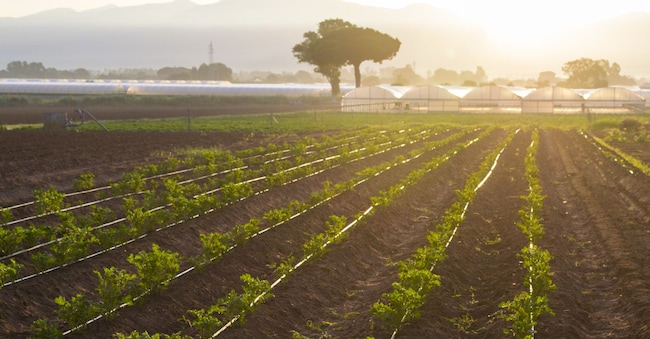
European aid for organic farming – one of the pillars of the current Common Agricultural Policy and of support for sustainable agricultural production, an area in which Italia is a European leader – could become optional in just over a year’s time. This unwelcome surprise for the sector emerges from the fine print of the agreement reached this week at the EU Agriculture Council in Luxembourg on the post-2027 CAP reform, which runs in parallel with the new 2028–34 EU budget. The negotiating position of the ministers from the 27 Member States provides for the removal of the mandatory nature of current aid for the conversion to and maintenance of organic farming, leaving the decision to individual Member States. This is almost a paradox, given the preamble to the agreement, which calls on the Commission to preserve the common nature of Europe’s first economic policy – a policy increasingly exposed to the risk of renationalisation, with extensive powers delegated to individual Member States regarding strategic choices.
A decision that has been heavily criticised by Ifoam Organics Europe, which represents European industry associations, who argue that the removal of the mandatory requirement ‘could jeopardise the European agri-food system’s objectives of sustainability, resilience and competitiveness’, at a time when, incidentally, in Italia itself the expansion of farmland is stalling, despite the continuous rise in consumer demand for organic products.
“Leaving it to individual Member States to implement and fund measures in support of organic farming calls into question the continuity and predictability of aid, which – as FederBio emphasises – are essential both for farms that have already invested in the agroecological transition and for those intending to embark on a conversion process. Furthermore, it could exacerbate disparities between EU countries, creating uneven competitive conditions within the single market and hampering the growth of a sector that is strategic for the future of European agriculture.”
The association also considers the abolition of social conditionality – as already criticised by the trade unions – to be a particularly serious matter, as it would allow access to CAP funds even for those who do not comply with minimum European standards on labour, health and safety, thereby undermining the protection of agricultural workers and the fight against illegal recruitment practices.
“Italia is a European leader in organic farming,” says Maria Grazia Mammuccini, president of FederBio. “ Our country has set itself a particularly ambitious target: to have 25 per cent of agricultural land farmed organically by 2027, three years ahead of the target set by European strategies. Added to this is the launch of the ‘Biologico Italia’ label, which promotes national organic produce, safeguarding its identity and ensuring greater transparency and recognisability for the public. In light of this commitment, we cannot afford to remain silent in the face of a decision that risks marking a dangerous step backwards for the sector.”

