
The new frontier of longevity

Rising life expectancy and the increasingly widespread decline in birth rates have brought about a demographic shift in many advanced economies, where the population aged 60 and over is growing faster than any other age group. This transformation has given rise to the so-called longevity economy: the range of economic activities, products and services linked to the needs, consumption and social contribution of older people, who are often among the consumer groups with the greatest purchasing power. The longevity economy spans numerous sectors. From healthcare to technology, from tourism to the property sector, right through to financial and insurance services. Technological innovation plays a crucial role: health monitoring devices, telemedicine, apps for managing treatments and digital home care systems are becoming increasingly widespread. At the same time, interest is growing in products related to wellbeing, prevention and active lifestyles.
A major economic opportunity for various sectors, including cosmetics and wellness. According to AARP’s Global Longevity Economy Outlook, in 2020 people over 50 generated – through consumption, employment, services, care, tourism and technology – around $45 trillion of global GDP, accounting for 34% of the world economy. By 2050, this contribution could rise to $118 trillion, or around 39% of global GDP. In Italia, the phenomenon is even more pronounced because the country has one of the longest life expectancies in the world. The over-50s generate almost 50% of the national GDP, amounting to around €845 billion. By 2040, this figure could reach €1,462 billion. Consumption by this demographic could account for up to 75% of total household spending. Looking instead solely at industries dedicated to ageing and longevity (such as anti-ageing biotech, healthtech and senior care) the global sector was estimated at around $15 trillion in 2020 and could reach approximately $27 trillion by 2030.
The beauty sector is one of the fastest-growing segments within the longevity economy, as it addresses one of the key needs of a population living longer: ageing whilst maintaining health, wellbeing and quality of life. In recent years, in fact, the concept of beauty has been gradually shifting from the idea of ‘anti-ageing’ to that of ‘healthy ageing’. The global cosmetics market is now worth over $500 billion and could exceed $700 billion by 2030. A growing share of this spending comes precisely from the over-45 and over-60 age groups, who – as already mentioned – often have greater spending power and seek out products linked to long-term wellbeing. In Europe, this phenomenon is particularly evident: demographic ageing is transforming the beauty market into a sector increasingly linked to longevity and prevention.
Consequently, concepts such as ‘longevity skincare’ have emerged, replacing the idea of ‘fighting the signs of ageing’, with brands increasingly focusing on skin health and the prevention of biological ageing through formulations centred on ingredients that act on the cellular mechanisms of ageing, such as antioxidants, peptides and regenerative actives. The beauty industry is moving ever closer to preventive medicine with new segments such as nutricosmetics (supplements for skin, hair and nails), dermatological cosmetics (non-invasive aesthetic treatments) and soft aesthetic medicine. The longevity economy is also driving technological innovation with AI-powered skin analysis and apps, home devices for aesthetic treatments, and personalised skincare based on biometric data.
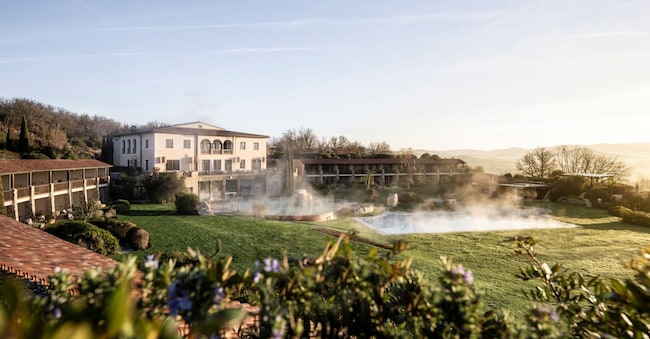
The Italian haircare brand Hairmed, for example, has recently introduced a scientific approach to what is known as the ‘skinification of hair’. This paradigm shifts the focus from traditional cosmetic products to scalp health as the primary driver of hair quality, incorporating concepts of the microbiome, prevention and beauty longevity. The newly launched Blugevity, distributed by Luxury Lab Cosmetics, offers a skincare range inspired by the longevity of Sardinia’s “Blue Zone”; whilst the Adler Spa Resort Thermae in Val d’Orcia and Terme di Comano offer innovative programmes dedicated to longevity with a multidisciplinary approach that combines advanced diagnostics, innovative medical treatments, spa therapies and mindfulness, with the aim of improving quality of life and life expectancy.


