
The new market landscapes

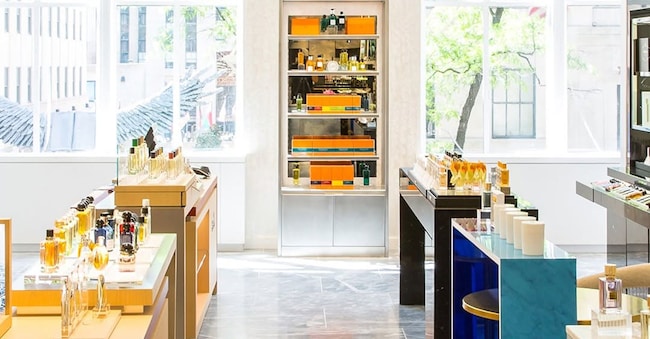
The United States remains one of the key markets in terms of size and growth potential, whilst the EMEA region requires strategies that are increasingly attuned to local specificities. At the same time, China and the Middle East are establishing themselves as new hubs of innovation, creativity and cultural influence. The CosmoTalks at Cosmoprof Worldwide Bologna 2026 reveal a multipolar industry, in which trends, products and business models are now moving in multiple directions, whilst the sector’s international landscape is undergoing a profound transformation.
According to an analysis by Circana, the beauty sector is worth over 200 billion dollars, with the US accounting for around 50–60 per cent of sales, whilst Europe accounts for around 20–25 per cent. The resilience of the US market is underpinned by a relatively balanced mix of make-up, skincare and fragrances, which allows growth in one category to offset any temporary slowdowns in the others. Hair care, whilst smaller in absolute terms, has emerged as one of the most dynamic segments. The distribution structure is also a key strength. The mass market retains a dominant role, alongside e-commerce, specialist beauty retailers and social commerce. However, the growth of digital channels has not diminished the importance of physical retail outlets: around 65 per cent of beauty purchases in the United States still take place in-store, compared with 35 per cent made online. For make-up and fragrances, the share of physical retail exceeds 75 per cent, confirming the enduring importance of product testing, the sensory experience and expert advice.
Generation Z provides a particularly telling insight. Although it is the most digitally connected generation, it is more likely than any other age group to shop exclusively in physical shops. Speed and convenience remain important, but so too are social interaction, the chance to try things out and direct contact with the products.
Whilst the United States provides the benchmark, the EMEA region highlights the complexity of adaptation. Europe, the Middle East and Africa encompass economic, demographic and cultural contexts that cannot be addressed through a single strategy. According to NielsenIQ data, only 17 per cent of consumers in the region say they can spend freely. Perception of value is therefore becoming a key factor in purchasing decisions. This does not necessarily mean seeking out the lowest price: the premium and luxury segments continue to offer opportunities, provided that the benefits, ingredients, performance and rationale behind a product’s positioning are clearly communicated.
Consumers are also increasingly well-informed and evaluate products on the basis of their effectiveness and their ability to meet a specific need, rather than relying solely on brand recognition. The most significant differences relate to the generational makeup of individual markets. In Italia, baby boomers currently represent the group that spends the most on beauty products, whilst Generation X is expected to take the lead over the next decade. In Egypt, Generation Z constitutes the audience with the greatest potential, whilst in Saudi Arabia and the United Arab Emirates, demand is driven mainly by millennials.


