The new Ostillo Art Foundation promotes the visual arts in Austin
Collector René Campos and art adviser Sacha Zerbib are bringing European and American art to the Texan city through a foundation open to the community

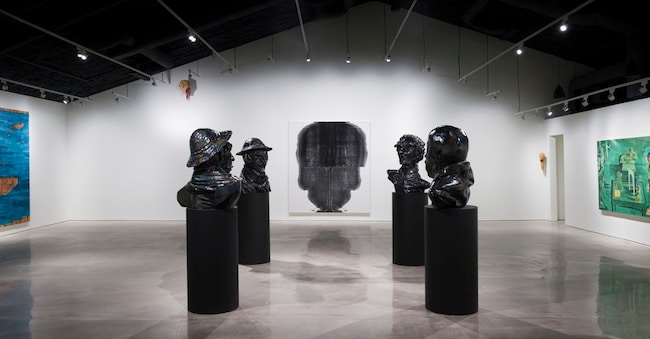
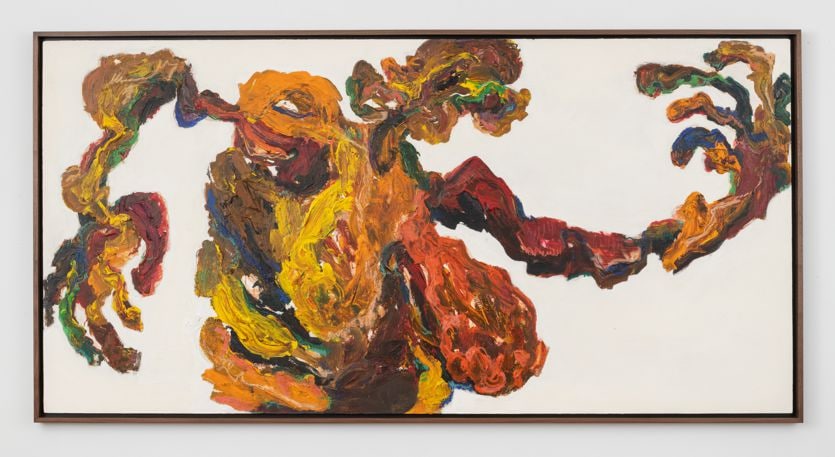
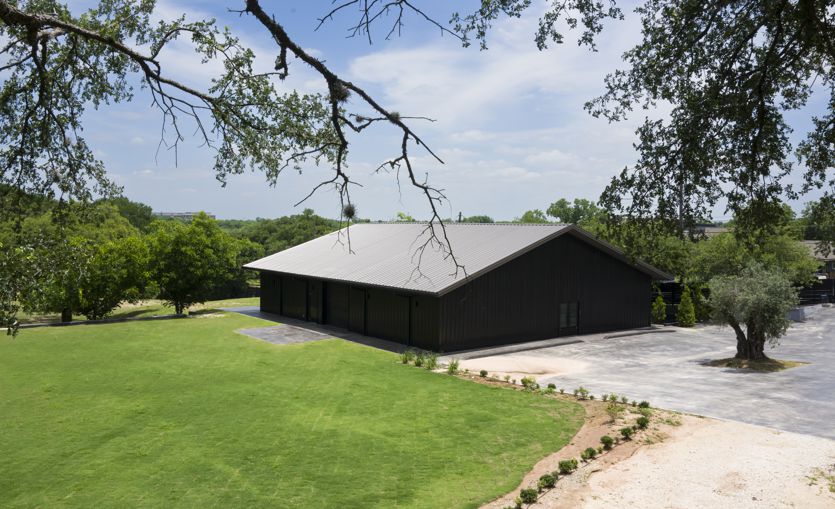
Last weekend, numerous European and American gallery owners flew to Texas for the opening, on 18–19 September, of a new art foundation in Austin: the Ostillo Art Foundation. The founder, René Campos, a property developer, began collecting only about ten years ago, accompanied by the French art adviser Sacha Zerbib, who guided him in the acquisition of around 90 works by international artists from the 1980s to the present day; however, the desire to make his collection accessible to the public has inspired him from the very beginning, whilst also facilitating his access to works of the highest quality.
The new foundation
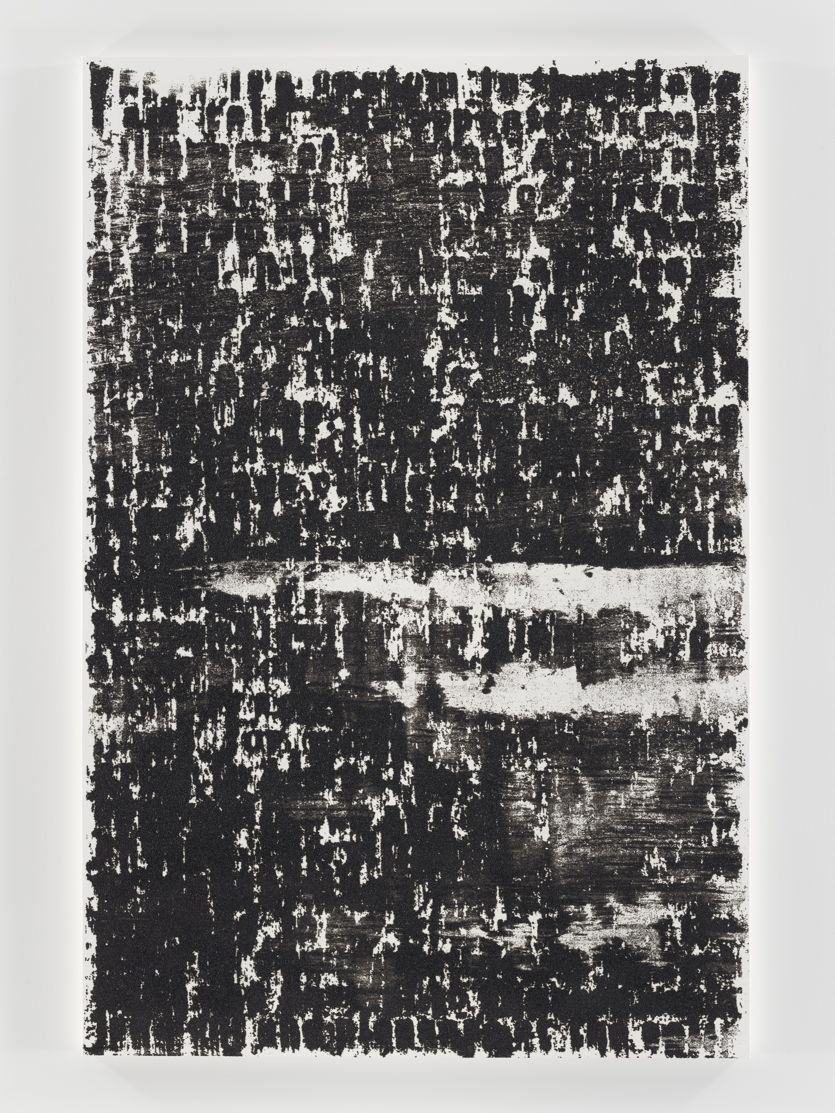
A selection of these works by 14 artists already familiar to the art world – though less so to the Austin public – is on display in the inaugural exhibition, entitled “Masquerade”, which opens with a work by Glenn Ligon. The silkscreen print is part of a series in which the American artist draws inspiration from the essay by James Baldwin “Stranger in the Village”, published by Harper’s Magazine in 1953, which recounts the author’s experience as the only person of colour ever seen in a Swiss mountain village and reflects on the history of slavery, the issue of white supremacy and the relationship between identity and American society. This remains a highly topical issue, felt particularly keenly in the neighbourhood where this new initiative is taking place, Rosewood, which was once a site of segregation.
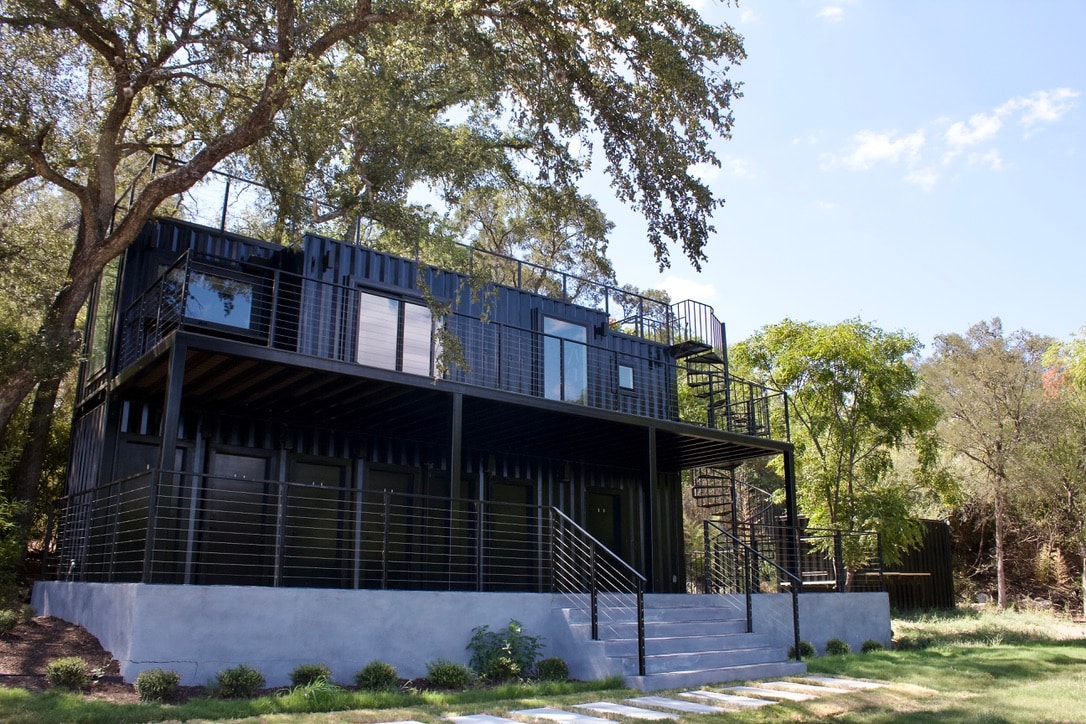
The foundation aims to be a welcoming and inclusive space, one that invites people to engage with art without imposing its own presence. This philosophy is reflected in the name, Ostillo, inspired by Ostilio Ricci, an Italian mathematician and tutor to Galileo Galilei , who encouraged him to pursue his studies, but about whom little is known; in the same way, the foundation aims to inspire people, without taking centre stage. The complex also includes a library of books on art, design and architecture with a reading room open to all, and will soon feature an amphitheatre (currently still to be built) for concerts. Ostillo will, in fact, also serve as the permanent venue for the East Side Kings Festival, with a clear commitment to remaining true to the city’s musical tradition.
The Austin art scene
The foundation, in fact, is part of a cultural landscape characterised by a vibrant music scene: Austin is famous as the city of live music, but it is now also flourishing in the visual arts.
Whilst Dallas and Houston already have well-known museums and foundations, such as the Nasher Sculpture Centre and the Menil Collection, this is one of the first private collections in Austin to be open to the public. Other museums include the Blanton Museum of Art at the University of Texas, with a collection ranging from the Italian Old Masters to modern and contemporary American and Latin American art, and the The Contemporary Austin, which runs a programme of temporary exhibitions (currently featuring a solo exhibition by the Texan artist Laura Lit and a retrospective of the Swedish artist Moki Cherry).
“There are few commercial galleries,” explains Sacha Zerbib, “but there are several discreet collectors who own collections featuring key works of American contemporary art. For example, Jeanne and Mickey Klein, who also opened a space last May, called ‘Arthouse’, an hour’s drive north-west of Austin. Or Suzanne Deal Booth, who has monumental sculptures by artists such as Jeff Koons and Richard Serra. There are also many emerging artists who make Austin a creative hub, though less of a commercial one. One fair where you can find them is the Affordable Art Fair. Dallas and Houston, on the other hand, have a more market-oriented approach, with fairs such as the Dallas Art Fair and Untitled Art in Houston (taking place from 2 to 4 October, editor’s note). There are museums, foundations and collections such as that of the Rachofskys , which has been highly influential. Austin is only just beginning this journey.”