
The new paradigm of Sardinian industry: revitalisation of the primary sector and new initiatives
Regional councillor Emanuele Cani speaks about open disputes and new initiatives

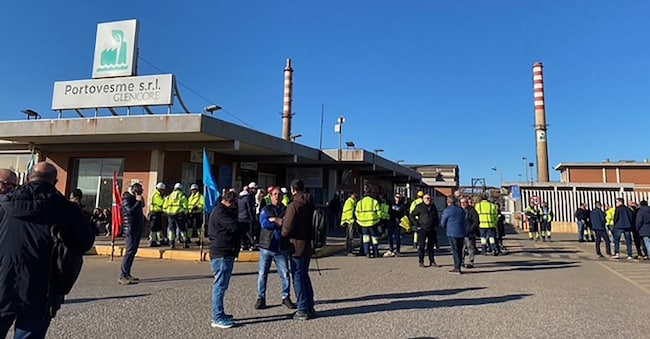
Not only major disputes 'to be resolved', but also new opportunities. Sardinia is focusing on industry, starting from what is already there and implementing it. All through what regional councillor Emanuele Cani calls a 'paradigm shift'. "There are some important disputes that we intend to resolve and on which we are working,' he says, 'but our desire is for a real relaunch, in an integrated system that looks at the whole country. Precisely for this reason, according to Cani, it still makes sense to talk about industry in Sardinia. "It makes sense because Sardinia is an island that lies at the centre of the Mediterranean,' says the councillor, 'and it cannot exempt itself from being part of an industrial policy that looks to big industry. Especially for the critical raw materials that are necessary for the country'. In Sulcis Iglesiente alone, investments linked to large-scale non-ferrous metallurgy industry are worth around one billion euros. These resources are linked to the relaunch of Eurallumina (the project is worth EUR 300 million), that of Sider Alloys, which is worth as much, and then Portovesme srl, which, under the control of Glencore, is pursuing a project for the production of lithium for batteries worth almost half a billion. Then there are the resources made available by the Just transition fund, which are worth 357 million euro and have been earmarked precisely to revitalise the Sulcis Iglesiente area. 'As is well known, we have a series of disputes that have been open for too long, and today we must have the ability to change this reasoning,' the councillor argues, 'pointing out that these industries can be useful to the country.
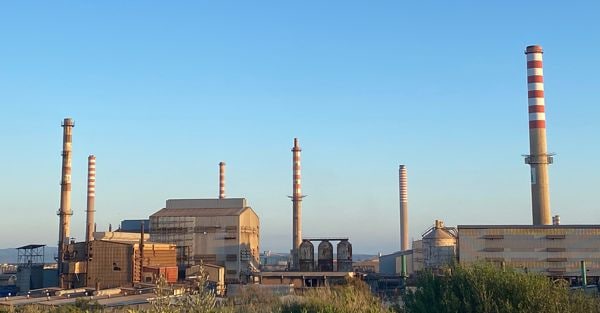
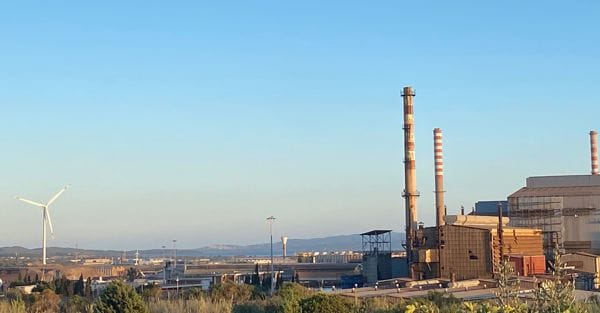
And so the government and the country must work to put companies in a position where they can operate and have favourable situations to produce those raw materials. Then it is necessary to work on the infrastructure system and the reduction of energy costs. Without forgetting the issue of critical materials and environmental reclamation. 'Sardinia has been classified as one of the most attractive and rich territories in terms of critical raw materials,' he adds. The old mining processes have left large wounds in the territory and a lot of processing waste that already contains an important quantity of critical raw materials that can be useful to the country'. So? 'We can unite the two aspects,' he adds, 'which is a bit of a paradigm, thinking that reclamation is not just healing and rehabilitating an area, but a starting point for a new economic path because from that reclamation we can also obtain resources and create a new economy.
Then there is the future and the challenges of the coming years. "We can think of a new industry in which there are primary productions, which we are working to safeguard," he adds, "and new productions. We are developing the nautical sector, which is already worth EUR 600 million and can become a real driving force for development. And then we are closing an agreement with a major national company to resume building trains at Villacidro.
And we are working with a company that intends to develop and install servers for artificial intelligence underground in a system that uses self-generated energy. A modern industry that goes through major themes such as the Einstein telescope, which can provide great answers and important results'.

