The rebirth of Normann: former mayor Carta is leading the regeneration of the abandoned mining village
A group of volunteers is transforming Normann, a former, depopulated mining village, into a cultural and environmental centre through innovative initiatives and academic partnerships

The ghost village is no more. The spirit of solidarity and the hard work of a group of volunteers have transformed the abandoned mining village into a hub for artistic, cultural and environmental initiatives. This is the story of Normann, a mining hamlet in the municipality of Gonnesa, nestled in the Mount San Giovanni, where private and public mining companies operated for decades. The hamlet, surrounded by greenery and overlooking the Gulf of Leone, having once served as the residence for the manager and staff (and also housing a wine cellar and staff club), experienced rapid depopulation and abandonment.
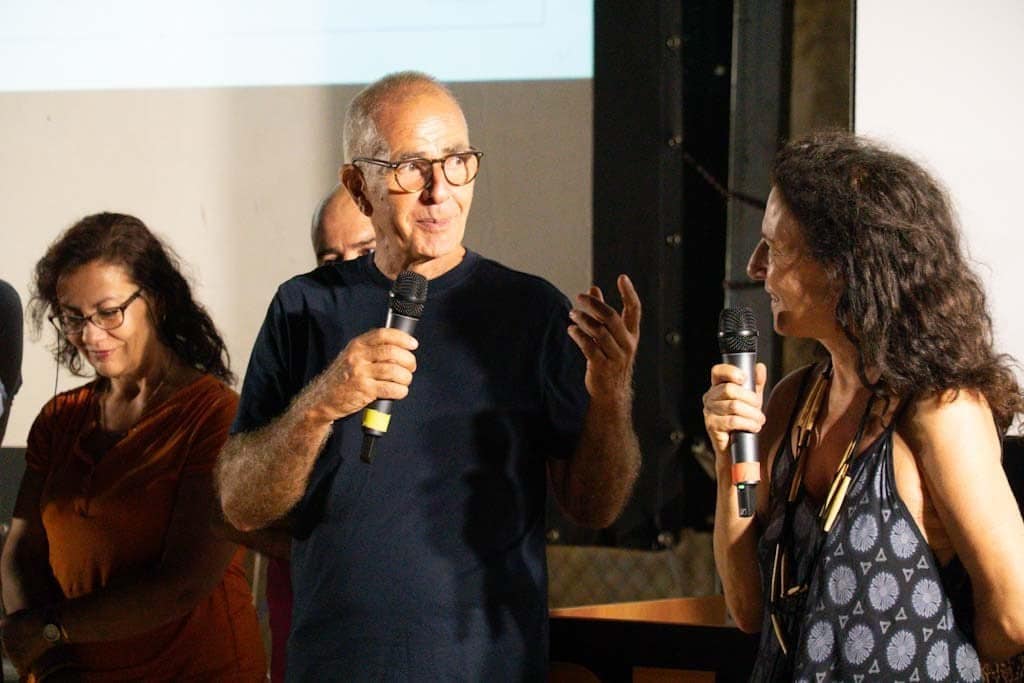
For some years now, however, there has been a reversal of this trend. This has been spearheaded by a voluntary organisation – Villaggio Normann Odv – led by Pierluigi Carta, former mayor of Iglesias and founder, 45 years ago, of Sardinia’s first civil protection association. ‘At the age of 25, together with some friends and spurred on by the disastrous fire in Currargia in which 11 people died, we founded Soccorso Iglesias, an organisation dedicated to firefighting,” he explains. “Over time, it went on to undertake other activities: from providing relief in earthquake-stricken areas to international aid.”
Pierluigi Carta, who is a retired financial analyst, also served a spell as mayor of Iglesias. He spent five years at the helm of the mining town, which found itself navigating the transition from a declining mining sector to new initiatives that ultimately failed to take off. ‘During that period, we drew up the strategic plan, based on the vision of an inclusive city, with a focus on regenerating the historic centre, following a path that celebrated the past whilst looking to the future.’
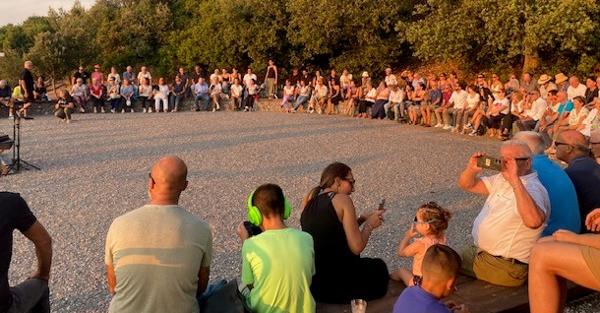
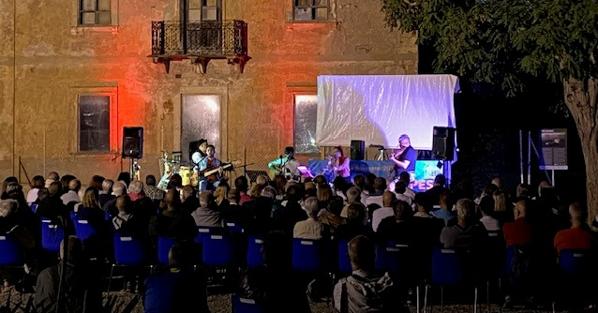
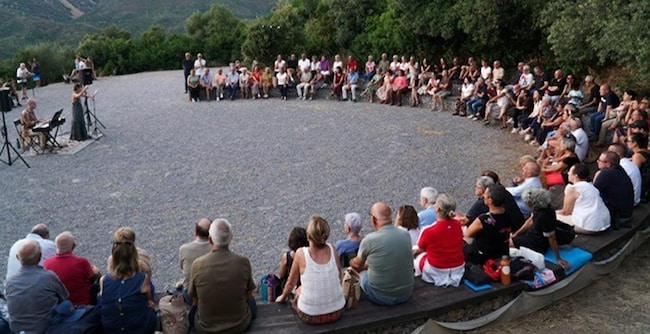
Once the administrative matters were settled, the focus shifted to Normann, in the neighbouring municipality. A derelict hamlet with few amenities, regarded by its own inhabitants as a sort of ghost village. ‘We decided, together with a group of friends and residents, to commit ourselves to breathing new life into this hamlet,’ he adds, ‘because the mining companies that had built houses and provided services left like retreating armies when they ceased operations, leaving everything in limbo.’ Time, neglect and vandals did the rest. “We stepped in,” he adds, “starting by clearing up and restoring a network of footpaths – and then lighting up the areas, clearing them of rubbish and bringing art and culture to the village.” And so the villa and its garden, once the residence of the general manager of the mining companies, have become a hub for concerts, performances and other events.
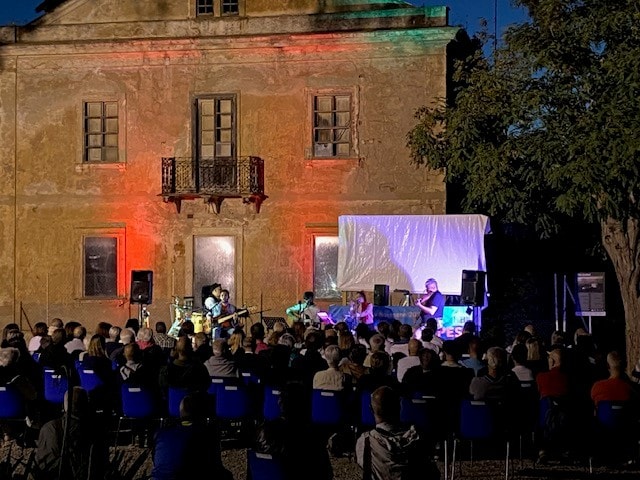
Even the unassuming square at the end of the road, which overlooks the entire valley and the Gulf of Gonnesa, has become a viewpoint and a venue for performances and cultural events. Then there is the herbarium, a network of footpaths stretching some fifty kilometres. In between, there is also a collaboration with the University of Cagliari, a Dutch university and support from local authorities and the Sardinia Foundation. And a project, called Memorabilia, which aims to preserve the photographic heritage of the hamlet and its surroundings. A journey between memory and the future that also looks towards new initiatives through cultural projects and activities. ‘This year we have focused on the theme of the Res publica,’ he adds, ‘whilst next year’s theme will be the processing of social grief, namely the art of Kintsugi applied to the village.’