The only enemy is haste: the secret of every good collector
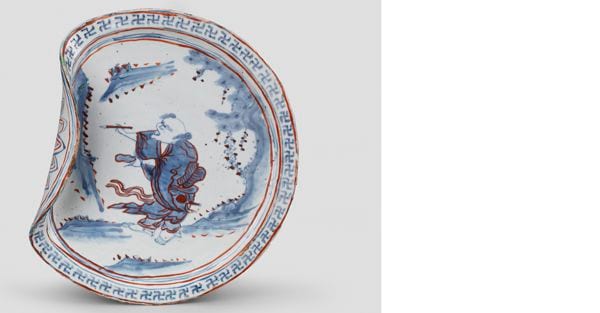
Two thousand six hundred pieces brought together in half a century of passion. One of the most important collections of Chinese Ming and Qing export porcelain is located in Sintra.
by Di Patrizia Sandretto Re Rebaudengo
3' min read
3' min read
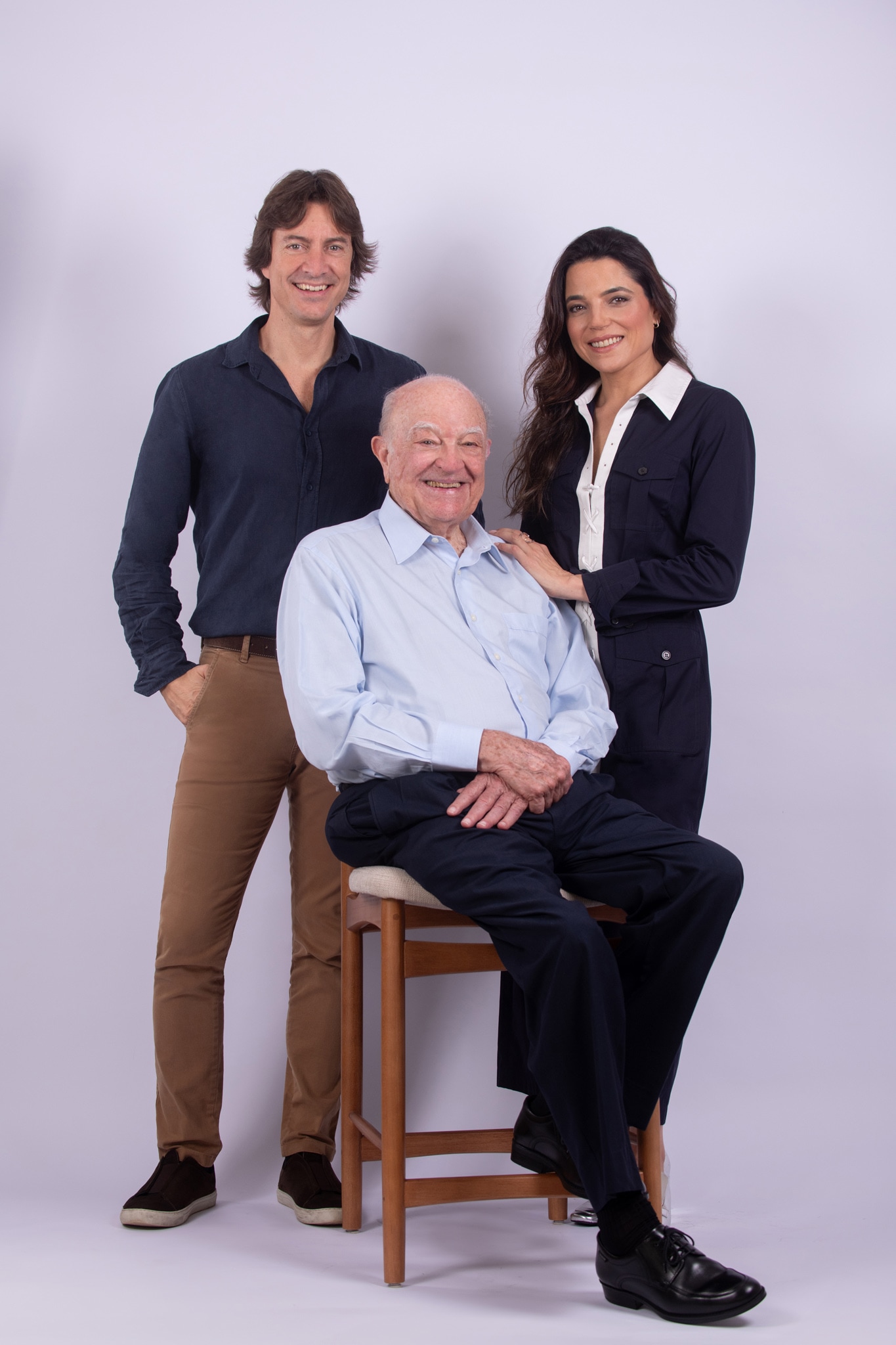
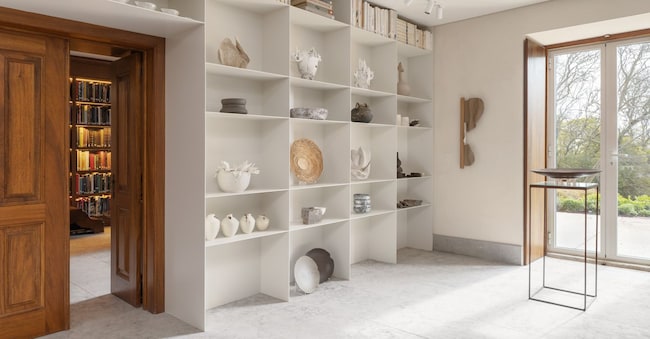
Art critic, curator and author, Jacopo Crivelli Visconti was born in Naples and has lived for more than twenty years in São Paulo, Brazil, where he holds a doctorate in Architecture. He curated Brazil's participation in the Venice Biennial in 2007 and 2022, and the Cyprus Pavilion in 2019. He was artistic director of the 12th Cuenca Biennial in 2014 and the 34th São Paulo Biennial in 2021. He contributes to international magazines and publications dedicated to contemporary art, architecture and design. Since 2023, he has been the director of the Albuquerque Foundation, an institution founded in Sintra, Portugal, by the Brazilian entrepreneur and collector Renato de Albuquerque, together with his niece Mariana Teixeira de Carvalho, with the aim of valorising and sharing his extraordinary collection of Chinese export ceramics. We met to talk about this fascinating project that interweaves family history, collecting passion and contemporary art.
WHEN AND HOW WAS THE RENATO DE ALBUQUERQUE COLLECTION BORN?
Renato de Albuquerque started collecting almost fifty years ago (he is now 97), at first timidly, then becoming increasingly fond of so-called export porcelain, which was commissioned in China by representatives of various European countries and which represents a fascinating mixture of different styles, cultures and beliefs.
WHAT GUIDED HIM IN HIS COLLECTING CHOICES? WHAT WERE HIS CRITERIA, HIS PASSIONS, HIS REFERENCES?
Renato is a great scholar and has had references, but it is his personal taste and knowledge that have shaped the collection, considered by many to be the most important of its kind in the world. Export porcelain blends economic and cultural, and often even religious or philosophical, issues in a very clear way, and it is this particularity that has fascinated him from the beginning. Hearing him recount the history and changes of ownership (from emperors, to princes, to wealthy entrepreneurs) of an object is a unique experience.