
The Outer Worlds 2: in space no one can hear you laugh (or criticise capitalism)
We tested the sequel to Obsidian Entertainment's sci-fi RPG. Spoiler: We liked it
by Luca Tremolada
 Aggiungi Il Sole 24 Ore
ai preferiti su Google
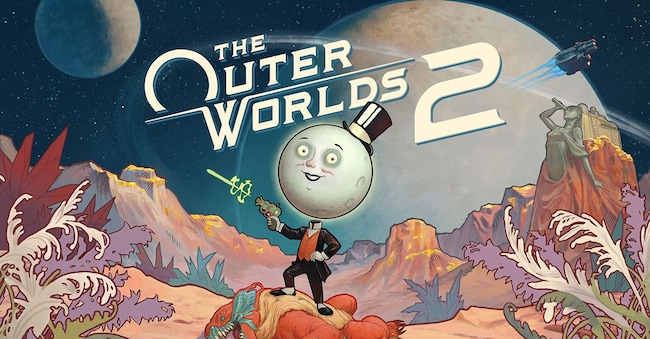
Developer Obsidian Entertainment knows how to design role-playing games. It has proven this on several occasions: Fallout: New Vegas and Avowed, to name but two titles. It has a sense for phrasing, a passion for level design and a talent for storytelling. In The Outer Worlds 2 (consoles and PC), he has chosen to criticise capitalism lightly and ironically, without getting too carried away, with just the right ironic tone and a clear desire to confront us with the consequences of our choices. The sequel to his sci-fi RPG released in 2019 is a political journey into the most classic dystopias. You're a member of the Earth Directorate, a charitable organisation dedicated to curbing corrupt governments and corporations. Then a lot of things happen that don't need to be summarised. If you played the first Outer Worlds, that's where we are. The 'two' is set in a larger universe, where there are more planets to explore, more enemies, more weapons and more dialogue. That's it: Obsidian's games should be listened to, read, studied slowly. Nobody has any interest in convincing you of anything: you are actors in a play, you have your own biography that you can choose carefully, and you know that everything you say or do will have an impact on the game. You may have merits and flaws, you will discover this during the game, and this will make the challenge more interesting.
What we didn't like.
You get the feeling that everything is the same. Obsidian never takes sides for anyone. It sails over all factions too lightly. Games don't have to be militant, but neither do they have to be too antiseptic.
What we liked.
The setting is typical of video game science fiction. Each planet offers vistas reminiscent of the covers of paperback books. The retro, bright holographic advertisements and 20th century propaganda posters are something familiar to video game fans, but it is always a pleasure to go back there. The themes, moreover, speak of our time in an all too disturbing way.

