
Heatwaves: Parma shows how to lower the temperature in the city
De-impermeabilisation – that is, removing tarmac and planting trees. The project is taking place right in the heart of the historic centre. But since 2020, this city in Emilia has already transformed 90 hectares

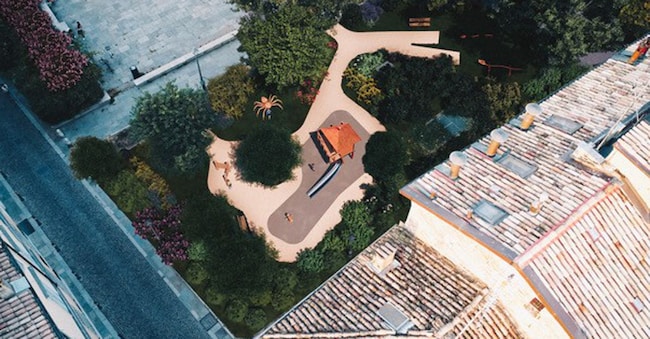
Trees and shrubs instead of concrete. And permeable surfaces instead of tarmac. In Parma, the challenge to tackle the heat and high temperatures caused by climate change begins with greenery and the removal of concrete and tarmac, through the first urban de-impermeabilisation project carried out by the City Council in collaboration with the Kilometroverde Parma forestry consortium.
The starting point
The starting point is the fact that in urban areas with little tree cover, summer temperatures can exceed those of the surrounding areas by more than 5 degrees. ‘Asphalt accumulates heat during the day,’ the organisers point out, ‘and releases it slowly in the evening, whilst heavy rainfall hits an impermeable surface that is unable to absorb it.’
Hence the new challenge: depaving, or the de-impermeabilisation of urban spaces. ‘A strategy that involves removing layers of asphalt and concrete from areas such as roads, car parks and squares, to reveal the underlying soil,’ explains the Consortium. “Trees, grassy areas and permeable soil bring tangible benefits: they reduce heat, promote water drainage and help create climate refuges – places that can offer protection during heatwaves.”
The operation
The urban regeneration project concerns Piazzale Borri, right in the heart of the historic centre. The project ‘involves the planting of 122 trees, shrubs and herbaceous plants’. Work began on 4 May and is due to be completed by the end of the year. For Mayor Michele Guerra, these works confirm the city’s transformation into a ‘real-life laboratory for urban regeneration’.
Kilometroverde
The project forms part of the wider KilometroVerdeParma initiative, a forestry consortium which, since 2020, has reforested 90 hectares of land in the Parma area, planted over 103,000 trees and shrubs, and involved nearly 20,000 students in environmental education programmes. The benefits have been quantified: a study by Vsafe (a spin-off from the Università Cattolica) has estimated ecosystem benefits of between 3 and 13 million euros over the next thirty years for the projects already completed along the San Leonardo ring road.

