Ideas

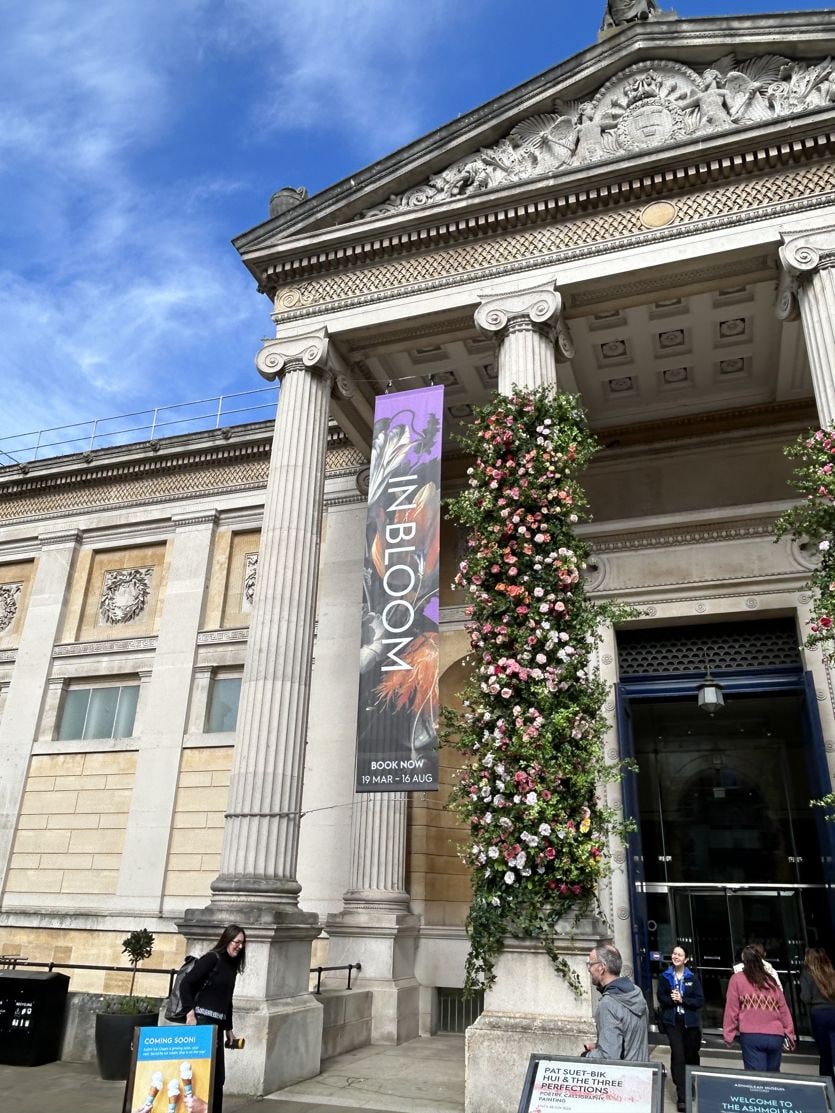
A passion for flowers and plants on display at the Ashmolean Museum

The exhibition “In Bloom: How Plants Changed Our World” is open until 16 August

by Nicol Degli Innocenti

3' min read

Translated by AI
Versione italiana

3' min read

Translated by AI
Versione italiana

Science and obsession, beauty and mystery: the passion for plants and flowers has ancient roots and a surprising history, which is recounted in ‘In Bloom’, an exhibition at the Ashmolean Museum in Oxford with the evocative subtitle “how plants have changed our world.”

The Ashmolean, the University of Oxford’s museum, owes its existence to two intrepid and pioneering royal gardeners, John Tradescant the Elder and his son, who in the 17th century travelled far and wide across Europe, Russia and America in search of plants, seeds and rare or unknown specimens, which they then brought back and planted in England. Their treasures went on to form the museum’s first collection and laid the foundations for the research carried out at the University’s Physic Garden, founded in 1621, the oldest botanical garden in Britain.
Loading...

Over a hundred works on display

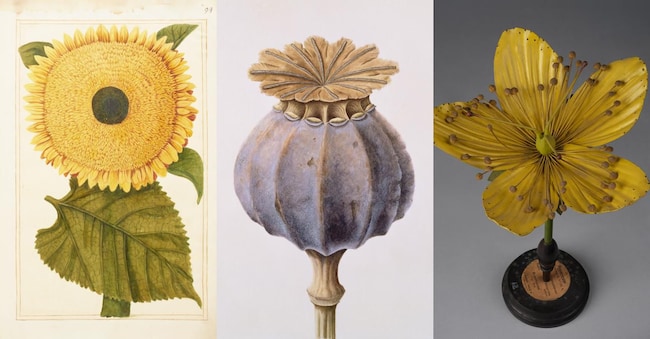
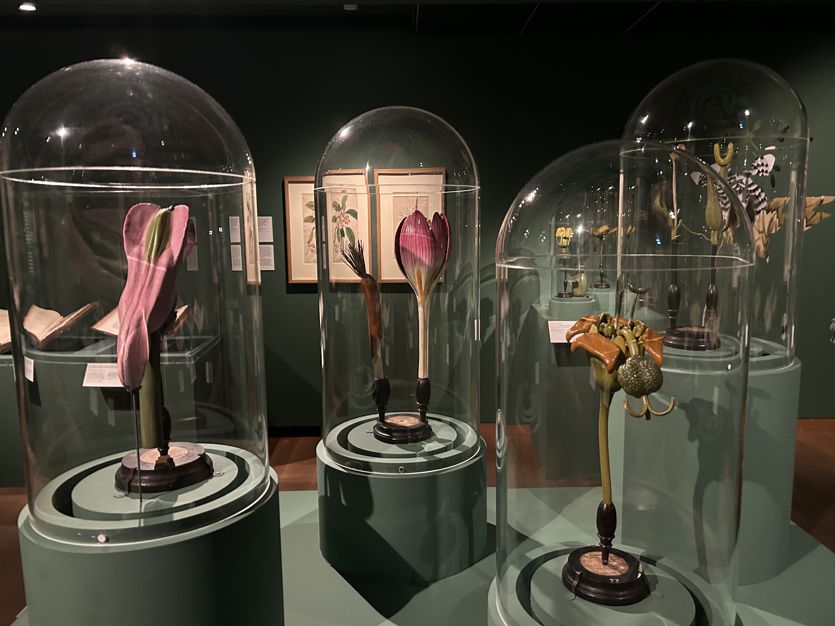
The story begins in the 17th century, a period when plants were sought out, studied, catalogued and exchanged – and, of course, drawn and painted. The more than one hundred works on display, some of which are extremely rare, tell the story of botanical science, but also of the quest for beauty and the mystery contained within every specimen created by nature.

A Oxford la storia di come piante e fiori hanno cambiato il mondo

Photogallery24 foto

Tulips

The history of plants is therefore also the history of humankind and its obsessions: one room in the exhibition is dedicated to the ‘tulip mania’ in the Netherlands around 1630, a speculative bubble that drove the price of a tulip bulb, originating from the Ottoman Court, to the equivalent of the cost of a house on one of Amsterdam’s canals.
Carl Linnaeus

In the 18th century, Carl Linnaeus established the system of plant nomenclature and classification still in use today, whilst botanical art flourished and became widely known thanks to the drawings, watercolours and prints of Rachel Ruysch, Maria Sibylla Merian, Georg Dionysius Ehret, Ferdinand Bauer and many other artists.
Many of the most beloved flowers – from roses to orchids and from camellias to rhododendrons – were brought to England from various corners of the British Empire. Even the tea plant – the beverage that has come to epitomise Englishness – was a raw material from the East, the trade in which had an enormous economic and political impact.

The exhibition focuses on the negative consequences of European obsessions with certain plants or flowers, such as the use of monocultures that have disregarded local biodiversity, causing permanent damage, or the exploitation of poppy cultivation, which led to the Opium Wars between the Chinese Empire under the Qing dynasty and the British East India Company in the mid-19th century.

Orchids - Private Collection, USA, Richard Green Gallery, London

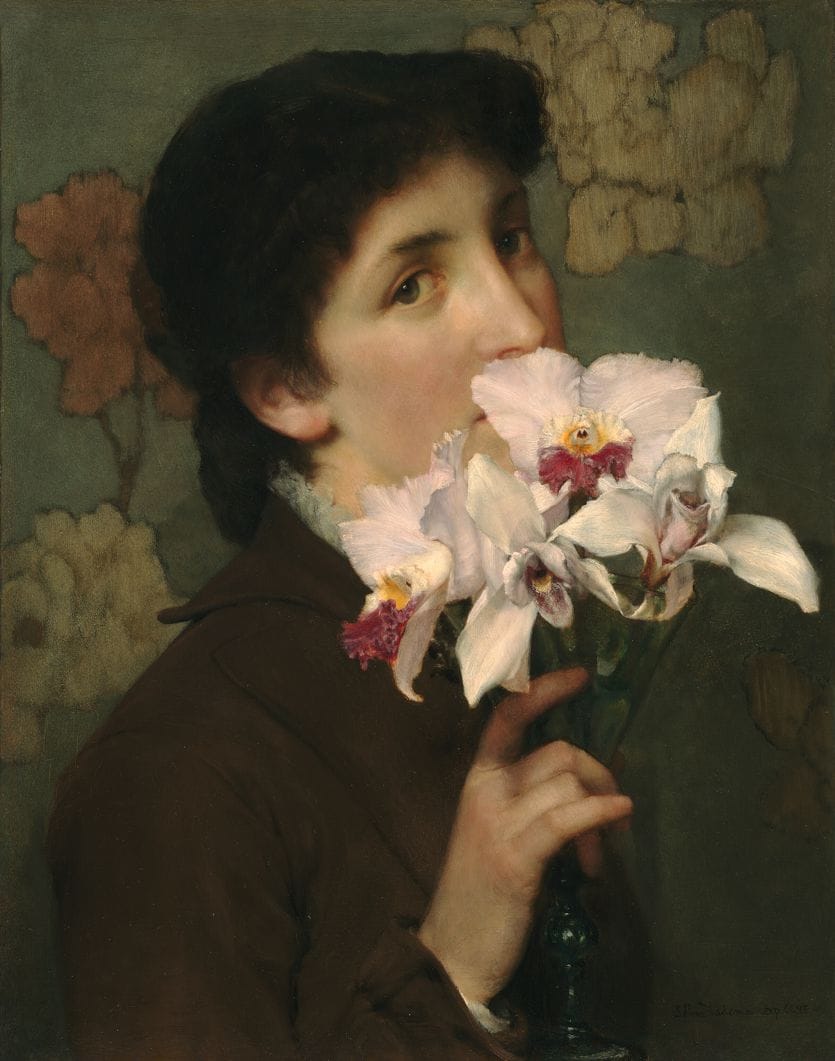
In the Victorian era, moreover, flowers were admired and painted as symbols of sensual beauty: roses in full bloom, peonies at the height of their beauty and, above all, fleshy orchids – symbols of wealth and seduction – which sparked such a craze that the term ‘orchidelirium’ was coined, perfectly captured in Lawrence Alma-Tadema’s painting ‘Orchids’.

The final room displays a series of contemporary works, ranging from tapestries to drawings and from photographs to sculptures, demonstrating how plants and flowers continue to inspire artists today. The exhibition concludes with insights from scientists who are currently carrying out multidisciplinary research in Oxford into the impact of climate change on plants and flowers, 45 per cent of which are at risk of extinction. Plants have changed our world; we are destroying theirs.

In Bloom: How Plants Changed Our World, until 16 August, Ashmolean Museum, Oxford

Copyright reserved ©
Loading...

Brand connect

Loading...

Newsletter

Notizie e approfondimenti sugli avvenimenti politici, economici e finanziari.

Iscriviti