The ghost at the top of the charts: what the Eddie Dalton case teaches us
The ai artist blues is climbing the charts. Is there concern for good old music or is it just competition?

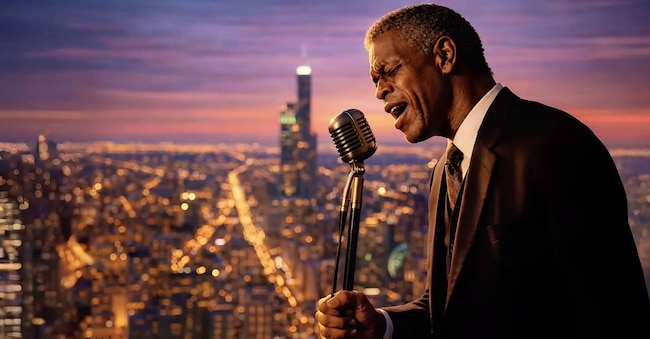
Eddie Dalton, an AI artist who is on everyone's lips, already boasts impressive numbers for a project that was only born, production-wise, yesterday. On YouTube he has more than 50,000 subscribers and his videos, uploaded within three weeks, are close to two million views. On Spotify it is travelling around two million monthly listeners, thanks mainly to its inclusion in prominent editorial playlists. On iTunes, it has even reached number one on the Soul/Blues charts in several countries.
If various media outlets are talking about this 'Bluesman', there must be a reason. Let us bear in mind, however, that this is not the first case of a completely generated artist reaching the top of the charts or maintaining high ratings for several weeks. What is striking here is the total absence of information about who is behind the project. We do not know where human genius ends and generative genius begins, as it is unclear whether a flesh-and-blood brain is writing the lyrics or just a well-packaged prompt.

Why did the song fool everyone?
Analysing his output, an untrained ear or one not inclined to the Blues genre would find it hard to understand that it is artificial intelligence. However, there are certain stylistic features that betray the synthetic nature of the work. First of all, the timbre: I challenge anyone to open software such as Suno or Udio, generate a melancholic blues song and not get the exact same vocal colour. For goodness sake, it is possible to differentiate it, but it would require extremely specific prompts or countless attempts on the same generation. Here, however, the timbre appears 'heard and resentful'.
The voice, moreover, has no 'mistakes': it lacks that unpredictability or calculated error that a human voice possesses (and must have) in order to give a marked impression to the song. The pieces then follow the classic structure of the commercial pop song; this demonstrates the extent to which AI draws heavily on existing human creations to construct its content, often without any real invention or creative thought behind it.
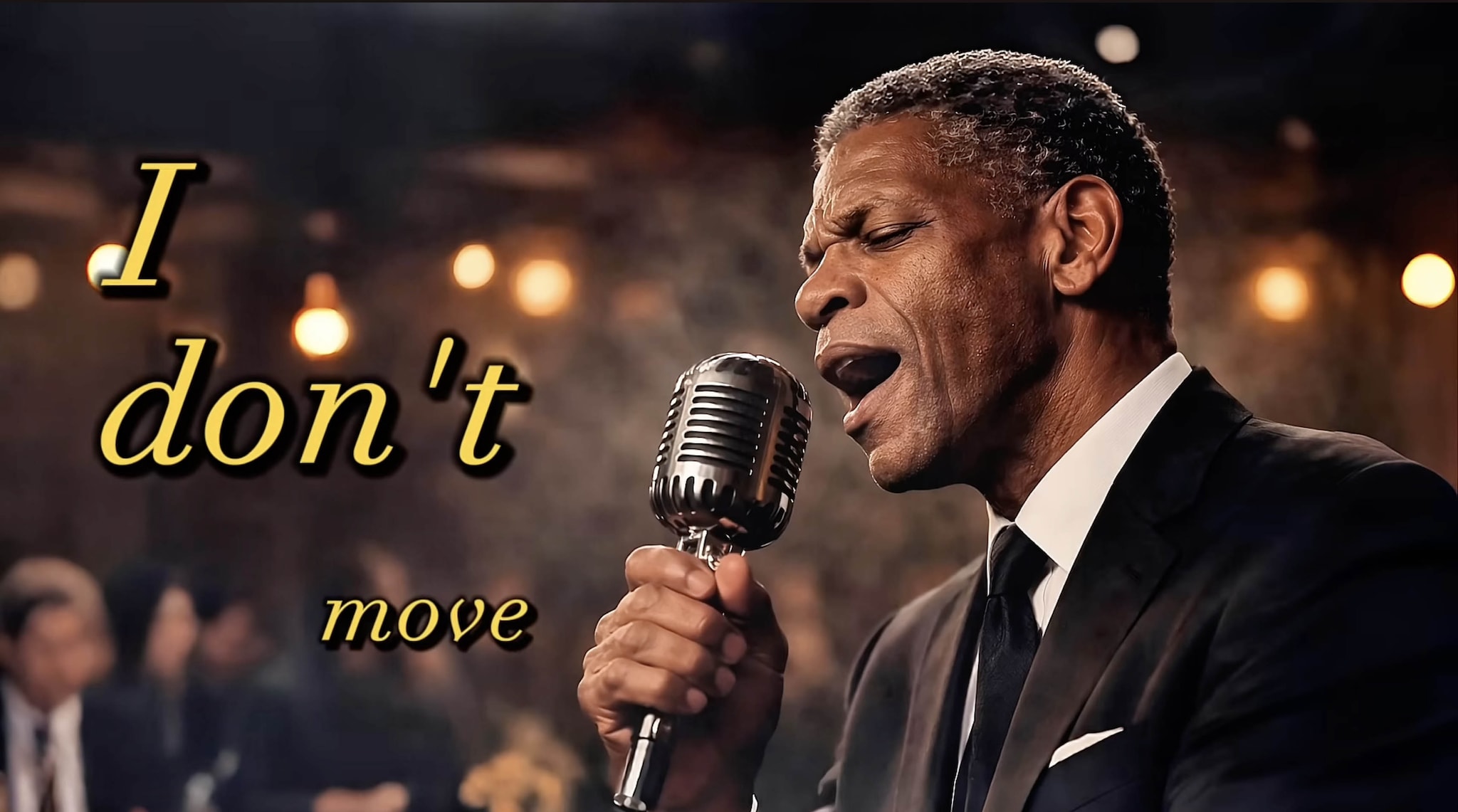
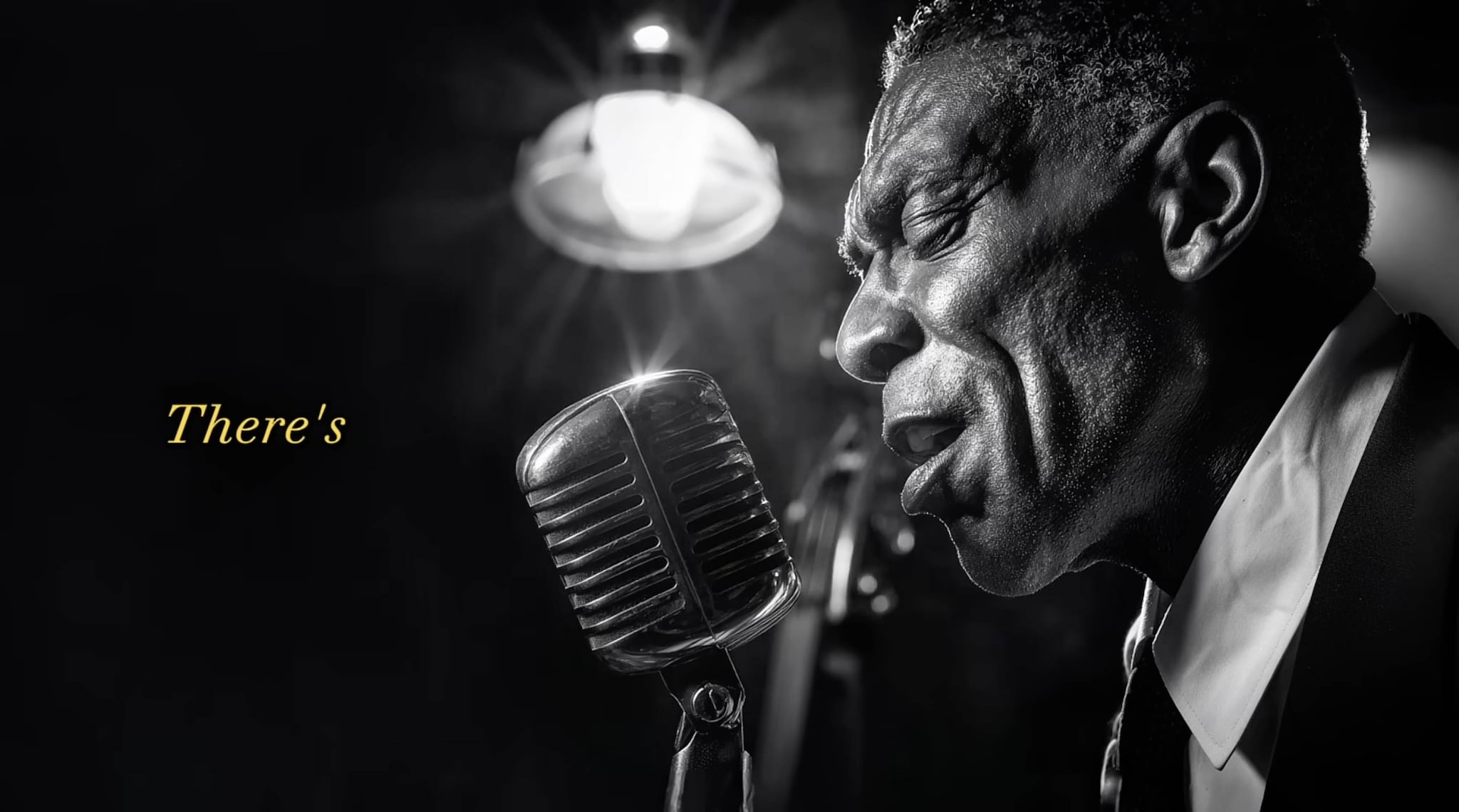
Even from an organological point of view (the instruments present), no substantial differences are noticeable. Of course, the instruments define the genre and there is no question about that, but from a harmonic point of view - that is, how the instruments interact with each other - the flatness suggests that whoever is behind the project has simply typed in a prompt like 'make me a three-minute blues song', without thinking about real characterisation. The most obvious clue, finally, remains visual: the previews of YouTube videos are blatantly made with generative AI. Although many 'pirate' or independent playlists use AI images (a practice I myself adopt for covers on Spotify), everything here suggests an integral use of artificial intelligence in every detail.