
The Pioneers’ drive, with a voluntary ESG report
Among those exempt from the sustainability reporting requirement, there are some who nevertheless choose to be transparent


Distinguishing features: micro, small and medium-sized enterprises that have long been committed to sustainability. This is a choice made not for show, but in the spirit of transparency and measurable progress through voluntary reporting tools. Whilst the EU Commission’s Omnibus package has narrowed the scope of companies subject to sustainability reporting – restricting it to those with over 1,000 employees and an annual turnover of 450 million euros – there are those who have nevertheless decided to take the plunge. This has set in motion a virtuous circle that may also prove useful in implementing the EU directive combating greenwashing (2024/825), which became mandatory on 27 September.
Today, Silvio de Girolamo, founder of the consultancy firm SDG for Future Company, emphasises ‘the standard that best meets the needs of SMEs is the VSME, aimed at micro-enterprises and unlisted SMEs, and designed to support them in reporting on ESG (environmental, social and governance) issues through an approach proportionate to their size and characteristics. It enables them to align with the European sustainability reporting standards, the ESRS, whilst maintaining a lower level of complexity’. By adopting it, she adds, ‘these companies have a recognised framework to respond to requests for sustainability information from, for example, banks, large corporate clients and other stakeholders, thereby limiting the risk of having to provide additional information that is disproportionate to what the standard requires’. Not only that. As Natalia Bagnato, partner and head of the ESG department at the international law firm Ontier, points out, “through voluntary reporting, companies secure a strong competitive advantage within their supply chains. The CRSD, in fact, obliges large companies to report on indirect emissions across their entire supply chain, effectively encouraging them to select and reward suppliers who are already able to provide accurate environmental data.”
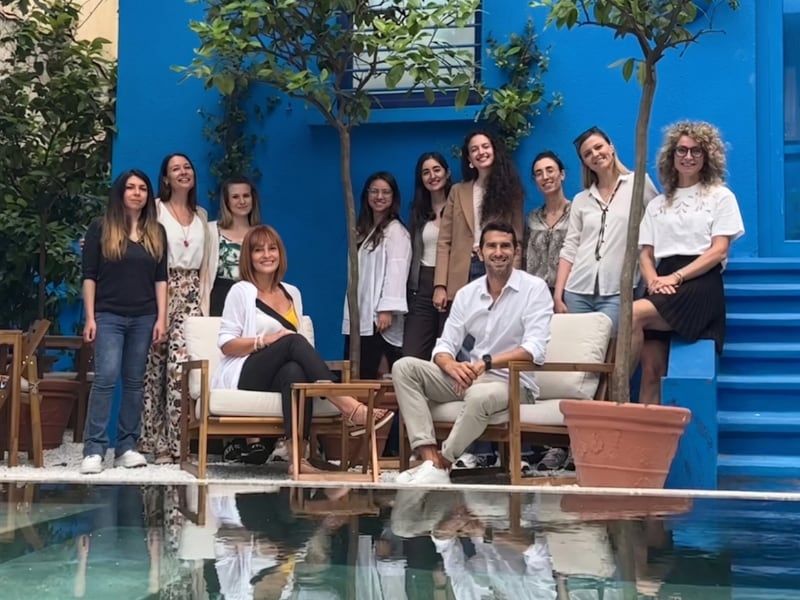
Among the pioneers of voluntary reporting is the Milan-based translation company Way2Global. ‘We like to describe ourselves as a “glass house”. We have been a benefit corporation since our foundation in 2017,” says CEO Laura Gori, “and we are required to draw up an impact assessment in which we report on the social and environmental impact generated during the year. This requires a considerable degree of transparency. Since 2020, we have taken the next step: a voluntary integrated report to share with all stakeholders a more comprehensive view of the results achieved in support of a new culture of sustainability’. In 2023, when the VSME standard was first introduced, she adds, ‘we made ourselves available to test it’. This commitment to transparency is bearing fruit: “As well as boosting our reputation,” says Gori, “it is proving to be a strategic choice because it accelerates healthy growth.” This approach enabled the micro-enterprise to win first place in the ‘Benefit Corporations’ category at the Financial Reporting Oscars last December.

“Sustainable reporting is not merely a collection of data but a strategic guide for our business decisions,” emphasises Claudia Ravera, Head of Sustainability for the Nwg group of companies (which includes, amongst others, Nwg Italia and Nwg Energia). This phased process began ten years ago and has involved all the organisations within the network. “Nwg Energia,” she says, “was the first benefit corporation in the utilities sector in 2016: year after year, we set out in writing the values associated with our business as part of our objectives for the common good. The B Corp accreditation, which we have decided not to renew in 2025, has also helped us to define a clear roadmap.” At the same time, in 2020, the voluntary reporting process began: the choice fell on the international GRI (Global Reporting Standards) parameters, with verification by an independent external auditor. “Then the first version of the CRSD came out and we were ready to adopt it: we switched,” continues Ravera, “to the ESRS standards and focused on double materiality analysis, refining our risk assessment. When we were excluded from the scope of mandatory sustainability reporting, we opted for a hybrid voluntary approach: the VSME standard, in both its basic and comprehensive versions, with the further development of the dual materiality analysis and a growing focus on the entire value chain.” This evolution also extends to governance, with the transformation of the sustainability committee into a 12-member management body on which three of the four managing directors sit.
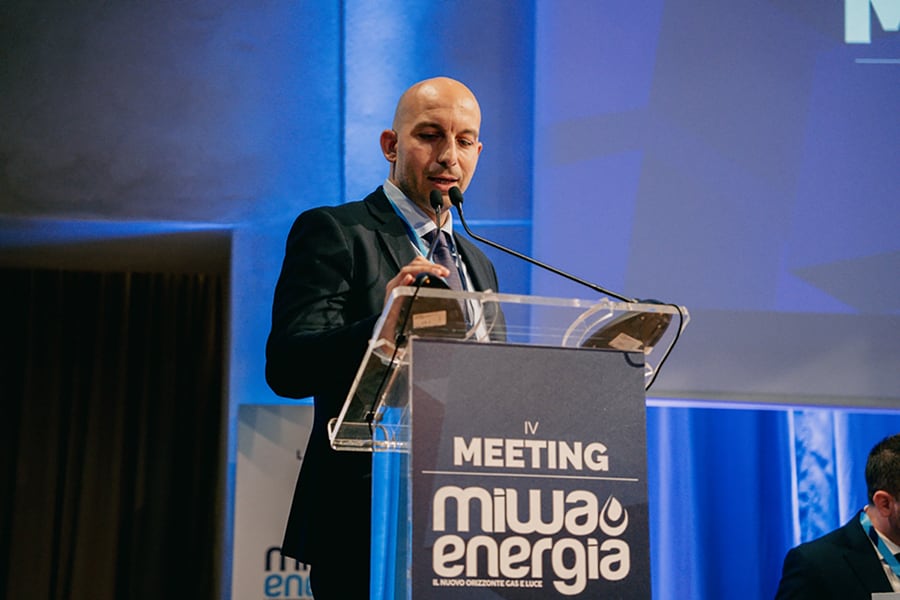
Since 2023, Miwa Energia, based in Apice (Benevento), has been producing a voluntary sustainability report in accordance with the VSME standard. “We are a small-to-medium-sized organisation,” says CEO Michele Zullo, “and this process has not only strengthened our credibility with customers and stakeholders but has also raised our profile in the area where we operate. It is an ever-evolving process that has enabled us to understand where we started from and where we intend to go, with realistic and measurable ESG targets.”


