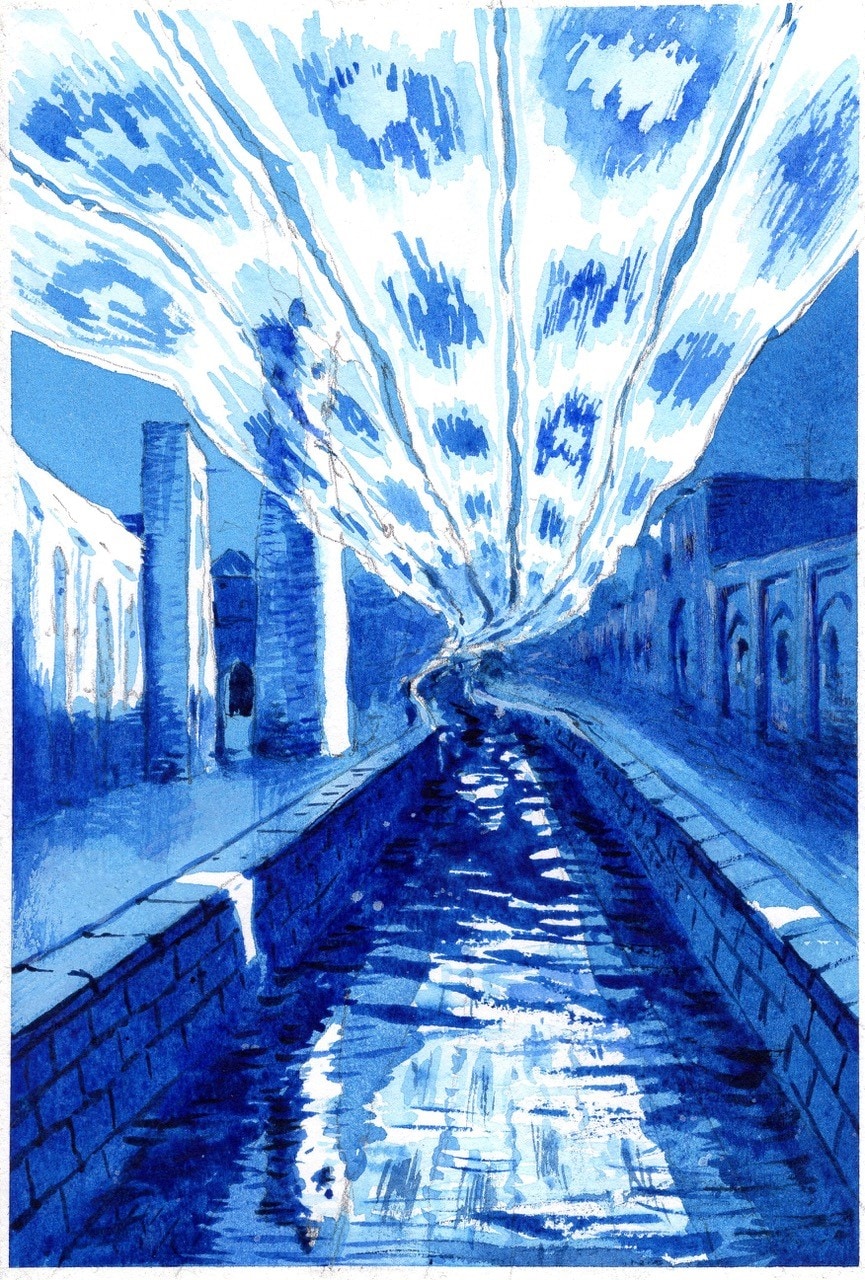
The protagonists of the Bukhara Biennial
From sculpted pomegranates to embroidered murals, from ritual performances to kilometre-long tapestries: the works of Central Asian artists interweave aesthetics, identity and territory

5' min read
5' min read
The works of Central Asian artists narrate a world of complex identities, revisited traditions and reflections on society, economics, politics and gender roles. Artists from this vast region are today the protagonists of cultural conversations, mixing historical roots and contemporary tensions in symbolic works. An example of this are the more than 70 site-specific projects of the Bukhara Biennial, "Recipes for Broken Hearts" on the agenda from 5 September to 11 November, which also tell the story of the country and are conceived through collaborations between local craftsmen and artists from Uzbekistan, other Central Asian countries and around the world.
Collaborations between artists and craftsmen
.International artists who will participate in the event include Antony Gormley, Subodh Gupta, Carsten Höller, Dana Awartani, the Italian-Senegalese Binta Diaw, Erika Verzutti to name but a few. Their presence at the Biennial will foster a mix of interdisciplinary conversations and creative collaborations that will interweave many spiritual and cultural traditions aimed at fostering Uzbekistan's craftsmanship, and there will be no lack - as the title of the biennial reminds us - of gastronomic interventions as art forms, dismantling hierarchies through a multi-sensory journey.
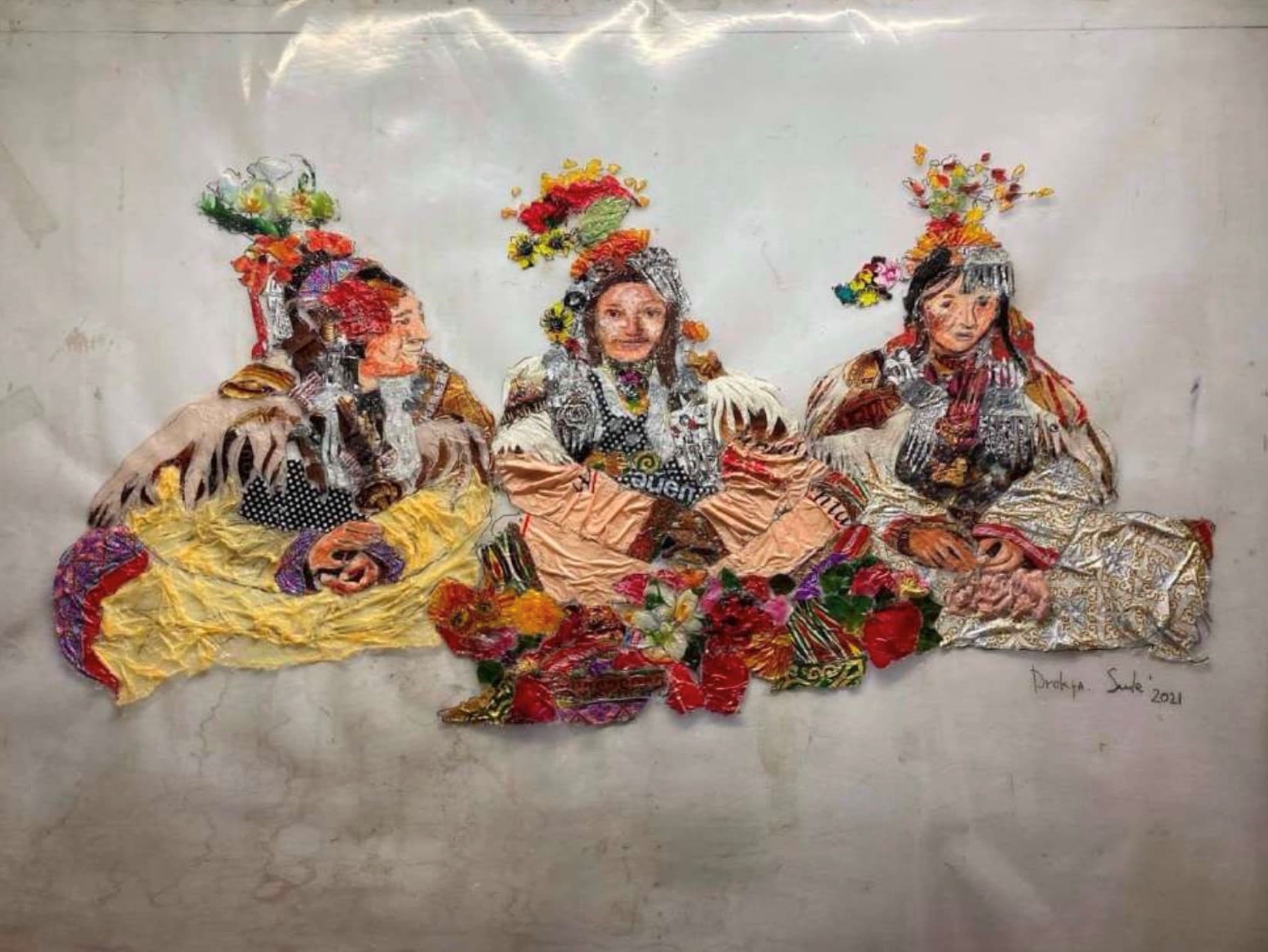
There will be several food-inspired projects, including an installation by the art collectiveSlavs and Tatars and the Uzbek ceramist Abdullo Narzullaev focusing on the melon as a divine gift, according to a local Uzbek legend, artist Samah Hijawi (Jordan/Belgium) and Ahmad Arabov (Uzbekistan) created a 15-metre embroidered mural tracing the movement of food and spices traded along the Silk Roads. Lebanese artistTarek Atoui (recently concluded exhibition at Hangar Bicocca) will engage with Uzbek musicians in a contemporary celebration of living traditions that links his long-term engagement with the way musical traditions migrate across Asia, the Arab world and beyond, with performances and workshops taking place from 21 to 23 September.
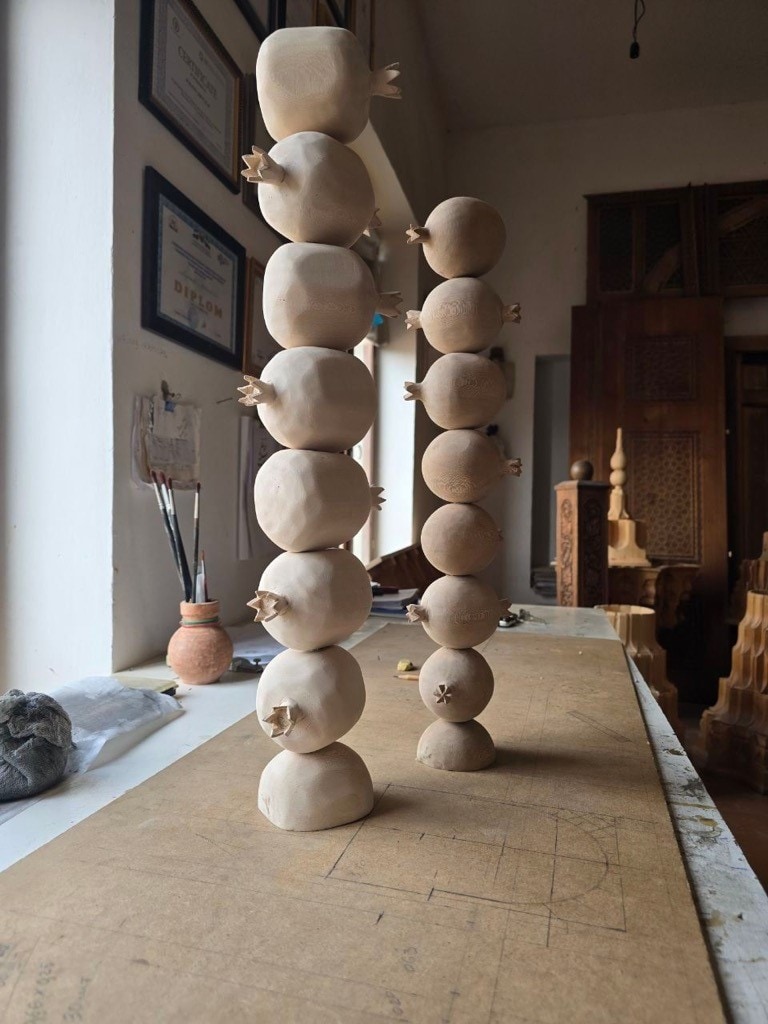
Another collaboration with a local craftsman is that of Brazilian artist Erika Verzutti (she works with Andrew Kreps Gallery, New York with prices ranging from 35 thousand to 250 thousand dollars) who will create the wooden sculpture 'Tower of Pomegranate' in collaboration with local craftsman Shonazar Jumaev. "The pomegranate," Erika Verzutti explains to Arteconomy24, "is a form that fosters a rich dialogue between my sculptural vocabulary and the local traditions of Bukhara; traditionally, the pomegranate symbolises fertility, abundance and prosperity, often associated with life, rebirth and good fortune thanks to its many seeds that represent abundance and continuity. The sculpture is located in a public space, near a traditional Bukharian wooden column supporting the architecture of a carpet shop. This is the first time the artist has realised his series of pomegranates - previously cast in bronze or modelled in ceramic - in wood, working with the Bukharian master carver Shonazar Jumaev. Together Erika Verzutti and Shonazar Jumaev chose to "leave the surfaces half-finished, drawing attention to the process itself - the gesture, the doing, the touching". The aim of this inaugural edition of the biennial is to showcase local and neighbouring talents.
Uzbek and neighbouring artists
.Among the many talents that the Biennial will highlight, some have already had visibility in our country, such as Aziza Kadyri, who represented Uzbekistan at the last Biennial (at East Contemporary, Milan, prices from 2,000 to 30,000 euros for the most complex installations). For the biennial, Aziza is working on two projects, a large site-specific installation for the exterior of one of the madrasas realised in collaboration with the artisan Yulduz Mukhiddinova and a digital and interactive work with the 3D animator Mathieu Bissonnette, for a caravanserai.