Cars and corporate mobility

Data, raw diamonds from which to extract added value

Companies that invest in data strategy today are those that can turn this raw material into a competitive advantage

by Alessandro Palumbo

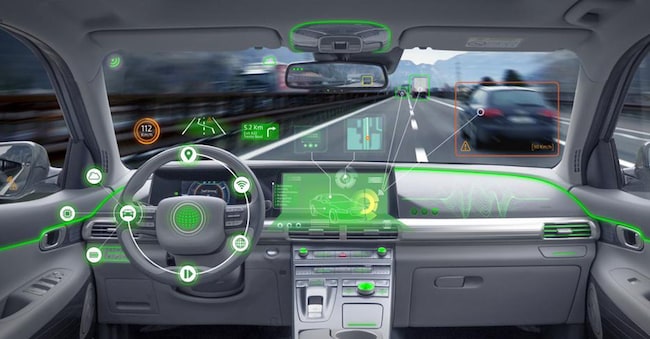
Un’auto connessa è un veicolo dotato di modem integrato, sensori e connessione a Internet, in grado di comunicare in modo bidirezionale con l’esterno

3' min read

Translated by AI
Versione italiana

3' min read

Translated by AI
Versione italiana

data generated by the use of the company car represent diamonds in the rough: elements with high potential but still unrefined. Only through structured processes of cleaning, integration and advanced analysis is it possible to extract real value from them.

Companies that invest in data strategy, data governance and analytics tools are now the ones that can turn this raw material into measurable competitive advantage, improving operational and strategic decisions. This is precisely the point. Today's telematics companies, thanks in part to the furious pace of AI, could deliver dazzling services, but it is necessary that their main customers, the renters, are willing and able to invest in processes and people. And that downstream, end customers are willing to commercially recognise these efforts.

Loading...

A recent survey by Aniasa's digital division highlights how data is now considered a strategic asset for rental companies. However, a number of structural criticalities are emerging that are slowing down the sector's data-driven evolution. These include the complexity of managing increasingly large volumes of information, the difficulty of normalising data from heterogeneous environments, the restrictions imposed by car manufacturers on access to vehicle-generated information, and the growing regulatory implications in terms of privacy and data processing.

As for the data most valued by operators today, the focus remains on parameters that are mainly functional to fleet management: mileage, fuel level, ECU diagnostic alerts, GPS location, crash detection and vehicle maintenance. In the EV (electric vehicle) segment, indicators relating to battery health and recharging behaviour are also gaining in importance. The picture that emerges confirms that telematics is still mainly used for operational and control purposes, while advanced applications linked to predictive analytics and the development of high value-added digital services are still limited.

The tendering mechanism, unless it concerns routine activities, also represents an enemy to the innovation potentially produced by telematics. The best way to make telematics bear fruit is to have it 'creep' into processes in order to unearth inefficiencies: sometimes you have to upset the status quo!

For example, with Octo's new predictive anti-theft system, the aim is no longer just to recover a stolen vehicle, but to prevent theft through advanced behavioural analysis, continuous monitoring and dynamic risk assessment. The system detects unauthorised access, removal of installed devices and abnormal vehicle movements, such as towing, dragging or lifting even with the engine switched off. It also analyses driving style, routes and times of use in real time to detect possible misuse. The platform also monitors sensitive areas, such as ports, logistical hubs and borders, reporting potentially critical situations and automatically activating the most effective countermeasures.

Telematics operators' solutions cover the needs during all phases of the rental lifecycle from the first delivery to the end of the cycle when the car has to be returned by the customer to the rental company.

For example, the traditional management of vehicle delivery in rental operations is often based on administrative steps that are not real-time, leading to inefficiencies, delays and additional costs. Targa Telematics' Vehicle Delivery Monitoring solution, on the other hand, introduces more transparent and timely management by integrating administrative data and information collected from on-board devices. Thanks to Agentic AI, the system identifies the real status of the vehicle, whether at the manufacturer's premises, en route, at the delivery centre or already on the road, signalling any inconsistencies in the process.

Driving safety also requires innovation. Geotab Vitality introduces a different approach, going beyond traditional models based on penalties. In fact, the platform rewards virtuous behaviour, allowing drivers to accumulate points every day through prudent driving and to obtain incentives for reaching personalised targets. Each driver is also assigned a risk level calculated on the probability of a collision, compared to similar profiles by sector, vehicle type and geographical area. The system is based on Geotab's predictive model, which analyses the main causes of road accidents, allowing drivers to convert their accumulated rewards into products from partner brands.

The vision is clear: telematics is the only real asset on which to model or reshape the digital infrastructure of company car management processes. But the boat only goes far if everyone is rowing in the same direction.

Copyright reserved ©
Loading...

Brand connect

Loading...

Newsletter

Notizie e approfondimenti sugli avvenimenti politici, economici e finanziari.

Iscriviti