
The rediscovery of the loyal customer, new ones cost five times more
88% of customers remember after-sales service more than initial advertising, but companies are more attracted to prospects and less inclined to work on loyalty
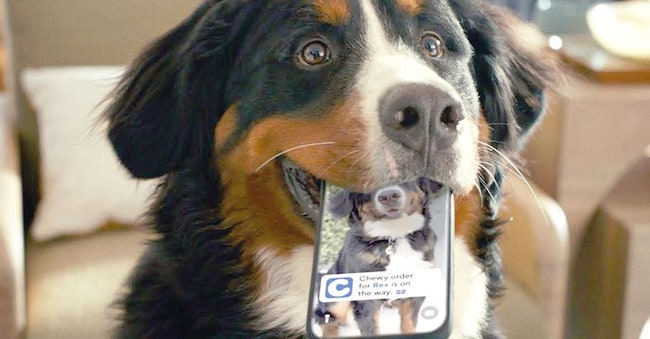
Lo hanno definito l’e-commerce dal tocco personale. Ma forse a pensarci bene è più una zampata. Così si presenta Chewy, rivenditore americano di cibo per animali domestici e altri prodotti dedicati alla galassia pet. Il colosso è nato dall’intuizione del noto investitore canadese Ryan Cohen con una missione assai ambiziosa: offrire ai propri clienti proprietari di animali domestici la migliore esperienza di acquisto possibile. A distanza di quindici anni la sfida è vinta sul campo digitale: quotato nel 2019 al Nasdaq, oggi registra un fatturato miliardario e conta undicimila dipendenti con più di 3.500 fornitori per 110.000 prodotti e servizi. La personalizzazione è la parola d’ordine. Nascono così video ad hoc generati dall’intelligenza artificiale per il post-acquisto, suggerimenti per la cura degli animali domestici, consigli sui prodotti e messaggi di ringraziamento. Intanto si guarda alla salute alimentare: la nuova campagna è incentrata sul cibo fresco per cani.
People and Technologies
To be there in everything: this is the winning key in the marked time of the loyalty economy, at least for top brands. Because retaining a satisfied customer means guaranteeing continuity in revenues and reducing acquisition costs. Frederick Reichheld, professor at Harvard Business School, wrote this in the Harvard Business Review back in 2001: "Every company should measure not only how many new customers it wins, but how many it manages to turn into active promoters of the brand.
Chatbots,artificial intelligence, digital tickets. But also authentic voice, punctual answers. The challenge is to combine the two dimensions. According to the Economist, in the future customer service will become the most competitive battleground: not the one who promises the most will win, but the one who listens and solves best. It is the return of the multichannel relationship: Zappos, the American shoe e-commerce, has 24-hour lines with operators authorised to stay on the phone for hours to solve the problem. Apple Genius Bar is an experiential stage. Sephora has developed chatbots for beauty advice and integrates them with real consultants. Airbnb, especially in times of crisis, has shown that assisting
The power of loyalty
For many, it is the rediscovery of fidelity as opposed to the eagerness to prospect, that strategy aimed at gaining new customers and thus expanding market share. Because it actually works on what can be done in the immediate term as opposed to the potential to be planned in the future. Forbes in America also wrote about it: gaining a new customer can cost 5 times more than keeping an existing one.
Anche l’80% dei profitti futuri di un’azienda deriverà solo dal 20% dei clienti esistenti. Secondo la società tech americana Zendesk l’88% dei clienti ricorda più l’assistenza post-vendita che la pubblicità iniziale. Ma inspiegabilmente le aziende sono più attratte dai prospect e meno propense a lavorare sulla fidelizzazione dei clienti consolidati. Bisogna invertire questa tendenza. «Le aziende sono dominate dalla cultura della vendita, orientata al target di breve e alla spinta dei prodotti in catalogo. Per il venditore medio è più sexy conquistare un nuovo cliente che vedersi confermato un ordine da un cliente che viene dal passato. Al contrario, la cultura di marketing fondata sul cliente e sulla sua valorizzazione win-win di medio-lungo termine è rara per ragioni culturali e contingenti. Cambiare è possibile laddove si consideri che la cultura di vendita si cambia partendo dal portafoglio: cambiare i Kpi e il sistema di incentivi, considerando il valore del ciclo di

