Asia and Oceania

The Reserve Bank of India has raised interest rates to 5.5 per cent

The central bank responded to inflationary pressures with a 25-basis-point rate rise, the first since 2023

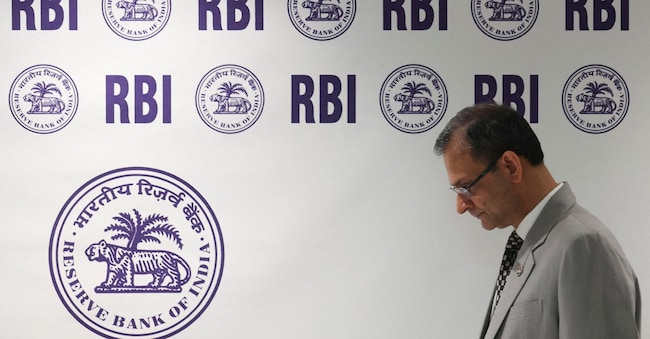
Il governatore della Reserve Bank of India Sanjay Malhotra  REUTERS

2' min read

Translated by AI
Versione italiana

2' min read

Translated by AI
Versione italiana

NEW DELHI – In a move that confirms the inflationary pressures on Asia’s third-largest economy, the Reserve Bank of India (RBI) on Wednesday morning followed the lead of the world’s major central banks and raised its benchmark rate for the first time since 2023, bringing it to 5.5 per cent (+25 basis points). The six members of the Monetary Policy Committee took the decision unanimously.

In a statement, the central bank also signalled the possibility of further rate rises, changing its stance from ‘neutral’ to ‘calibrated tightening’, but the governor Sanjay Malhotra stated that the extent and timing of any further rises would depend on the actual trend in inflation and economic growth.

Loading...

India is facing even greater inflationary pressures than other major energy importers because, in addition to price rises linked to oil and gas prices, this year has seen further increases caused by climate change.

The light monsoon rains linked to El Niño have exacerbated price pressures in Asia’s third-largest economy and affected productivity in the agricultural sector, which employs nearly 45 per cent of the working-age population.

“It is clear that inflation and the outlook for inflation are not as favourable as they were last year,” explained RBI Governor Sanjay Malhotra, adding, however, that “the Indian economy has shown strength and its momentum remains widespread”.

In August, the Consumer Price Index (CPI) rose to 4.82 per cent year-on-year, exceeding the medium-term target of 4 per cent for the third consecutive month. Rising fuel prices are filtering through to every corner of the Indian economy, with nearly half of the items included in the consumer price basket recording inflation of over 4 per cent.

“We expect the CPI to average around 5.8 per cent over the next three quarters,” said Malhotra, adding that “in this context, a recalibration of the monetary policy rate is essential”. The forecast for 2027 as a whole has been revised upwards to 5.2 per cent, up from the previous estimate of 5 per cent.

Thanks to the strong economic performance, analysts are expecting a cycle of rate rises that could push up the cost of borrowing by between 50 and 100 basis points. “If the conflict in the Middle East were to drag on and oil prices were to remain high, the risk of inflation could rise further, making a more aggressive cycle of monetary tightening necessary,” explains Sakshi Gupta of HDFC Bank.

On the growth front, the central bank has raised its forecast for the financial year ending 31 March to 7.1 per cent. This is largely due to the unexpected – and controversial – rise in GDP recorded in the April–June quarter, when the Indian economy grew by 7.8 per cent, well above the Reserve Bank of India’s forecast (7 per cent), partly due to a revision of the base year and the methodology used to calculate the figure.

Copyright reserved ©
Loading...

Brand connect

Loading...

Newsletter

Notizie e approfondimenti sugli avvenimenti politici, economici e finanziari.

Iscriviti