
The return of the wolf in Italy (and Europe) between damage for farms and benefits for the ecosystem
In the Old Continent, the number of wolves has increased by 58% in 10 years. Coexistence, to some extent considered necessary by experts, has its complexities

7' min read
7' min read
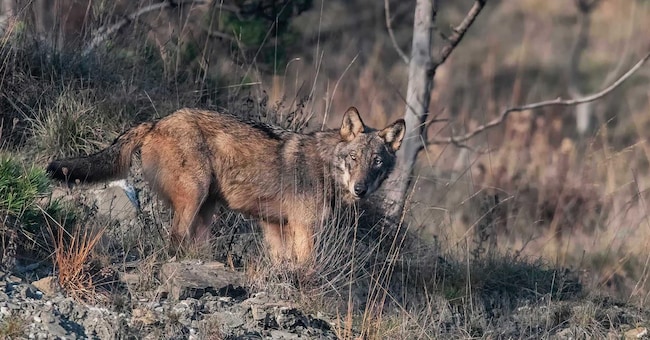
For centuries, the wolf was the villain of fairy tales, a frightening and dangerous animal that had to be eliminated. This was almost achieved in the 1970s, when the species was down to a hundred or so in Italy and had disappeared from the entire Alpine arc.
Since then, thanks to protection laws and changes in land use, this large predator has gradually returned to populate its historic range.
Today, according to data from the national Ispra monitoring, there are around 3,307 specimens distributed throughout the country from the Alps to the Apennines and even in some lowland areas. This increase is in line with the rest of Europe, where the species has been growing steadily in recent decades.
The most recent estimates speak of 21,500 specimens across the continent, with a 58% increase in ten years. This success is all the more remarkable considering Europe's high population density and heavily man-made landscape.
The benefits of the return of the wolf
."The wolf is a fundamental part of ecosystems and for us its return is a positive fact. Its presence helps to contain the population of ungulates (such as wild boar and deer), which are a problem for agriculture," explains Francesco Romito, vice-president of the association "I am not afraid of the wolf", which aims to ensure the conservation of the large carnivore and spread awareness of the importance of this apex predator for the environment.

