
‘The industry should capitalise on the momentum generated by the new talent emerging from these platforms’
Rodomonti (Anica): creators attract young people and bring innovative solutions

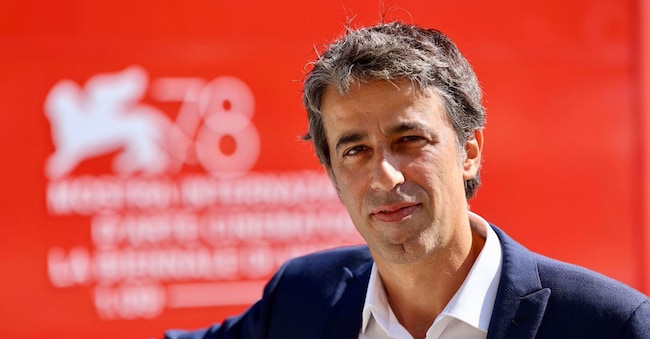
It is reductive to label them simply as ‘influencers’. Behind this activity – which is capable of reaching hundreds of thousands, and sometimes millions, of people – a new part of the audiovisual supply chain is taking shape. They are, in effect, authors, producers, publishers and distributors – and, above all, they have a direct relationship with the audience. This is precisely what the film industry, particularly when targeting younger generations, increasingly regards as the Holy Grail.
The long-awaited breakthrough lies in the shift from film promotion to the industry that conceives, produces and brings them to the public. “We are definitely moving in this direction,” Carlo Rodomonti, president of the Union Sole 24 Ore, tells Sole 24 Ore. Anica Digital Publishers and Creators, a section comprising, amongst others, organisations ranging from Be Content to Show Reeel Agency and TikTok Italy.
Meanwhile, for the first time, the Biennale is opening an official editorial space for creators. From 2 September, ‘Good Morning Venezia’ – a digital show produced by ANICA’s Union of Digital Publishers and Creators in collaboration with the Biennale – will debut on the Lido, showcasing the films in the ‘Orizzonti’ section through the eyes of creators. And on 7 September, as part of the Venice Production Bridge, ‘Creators Meet Cinema’ will take place – the Festival’s first official event dedicated to the creator economy and its impact on the audiovisual sector.
“Their role is to provide a behind-the-scenes look at the film industry: interviews, in-depth features,” explains Rodomonti. The content will be available on YouTube, Spotify and other platforms. Thanks to their daily engagement with their communities, the creators will be able to act – at least, that is the aim – as a vital bridge to bring young people closer to cinema.
For the film industry, the challenge then becomes understanding where to position this new sector. “The cultural shift we need to make,” explains Rodomonti, “is precisely this. Thinking of the creator only once the film is finished means utilising only a very limited part of their potential. The creator knows a community, understands its language and interests, and can help build the relationship between a work and its audience long before its release.”


