
The Shanghai Biennale invites people to listen for a better future
Canadian curator Kitty Scott starts from a scientific discovery to talk about communication between living beings through the voices of known and undiscovered artists

The theory that flowers hear the buzzing of bees and start producing more nectar to welcome them was the starting point forKitty Scott, curator of the 15th Shanghai Biennial, which opened on 7 November and runs until 31 March 2026. The event is organised by the Power Station of Art, the event's main exhibition venue: it is a former power station on the banks of the Huangpu River, converted for the Shanghai Expo in 2010 and transformed two years later, with a $64 million investment by the city, into China's first non-private museum for contemporary art. The expenditure to organise the Biennial, which comes mainly from city government funds, with contributions from some sponsors, has not been disclosed. Sponsors include Aesop (Special partner), DENZA (Official travel partner), The Langham, Shanghai, Xintiandi and Brilliant by Langham (Official hotel partner) and also the Italian company FLOS.
The Biennial Theme
"The discovery of the flower feeling bee got me thinking," said Kitty Scott, "about artists and their efforts to connect with the world, non-verbal forms of transmission and communication between humans and non-humans. The representation of nature and landscape originated in art history as an idea of possession. Now that we are in a post-colonialist context, we seek other forms of knowledge and connection with nature. The Biennale is, therefore, an invitation to listen."
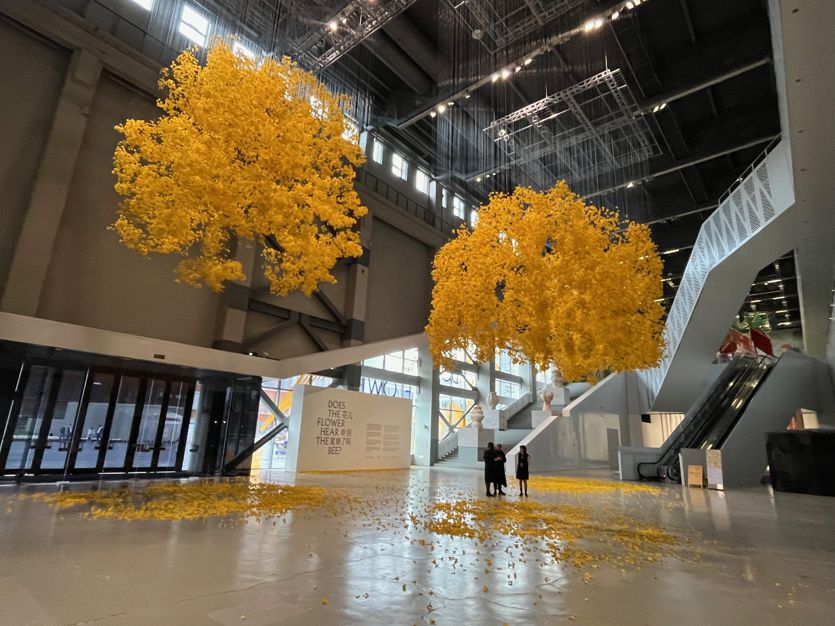
Kitty Scott's vision is reflected in the 250 works by 67 artists included in the Biennale, 16 of whom are Chinese. There are more than 30 commissioned works. The curator's choices have fallen on artists and artists both established, such as Allora & Calzadilla, with a large installation of flowers like the one currently at the Pinacoteca Agnelli; Francis Alÿs with new works made in embroidery; Theaster Gates, whose works are exhibited in another venue of the Biennale, in the new Jiayuanhai Art Museum, designed by Tadao Ando in the countryside outside Shanghai, among rice paddies and vineyards, to be inaugurated in April 2024.
The artistic choices
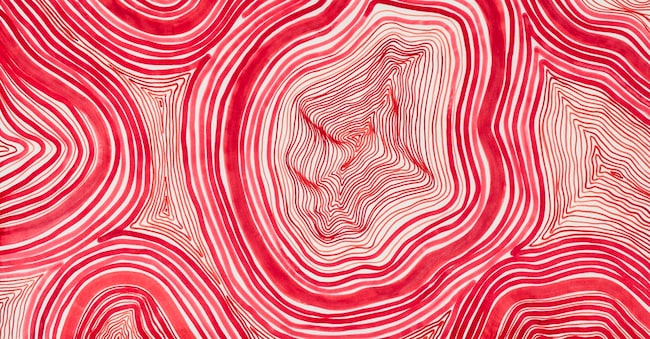
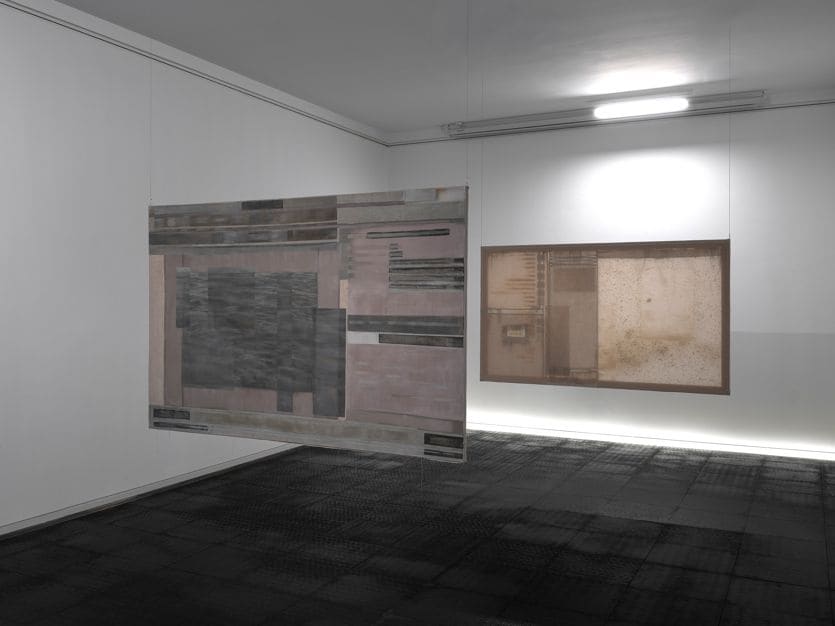
Alongside the well-known names, there are also many emerging artists with a lot of potential and new works to be discovered, such as those - also exhibited in Tadao Ando's museum - by the French Maxime Cavajani, born in 1988, who created a series of drawings, a tapestry and a video during a residency in the remote Fogo Islands, off Canada, using a red colour produced according to ancient local traditions. His market is still to be built as an emerging artist who does not yet work with a gallery. In the studio, works on paper in sets of two or three range from EUR 3,500 to EUR 7,500. Among the Chinese artists, the young Chen Ruofan, born in 1996, is very popular. She creates delicate works on canvas and installations with dust inspired by the unhealthy environment of factories and the conditions in which workers work. She is currently in residence in Germany at Schloss Plüschow. She is also not yet represented by a gallery; studio works range from 5,000 to 40,000 dollars depending on size and materials. Great interest was aroused by the work of Liu Shuai, born in 1992, who starts from the observation of nature to create simple and poetic works. Despite the public's appreciation, the artist, who has been working for about five years, has chosen not to sell his works for the time being. "I make them for myself, and then they are just materials collected in the garden, which I weave with my hands, my heart and my mind," he commented humbly.
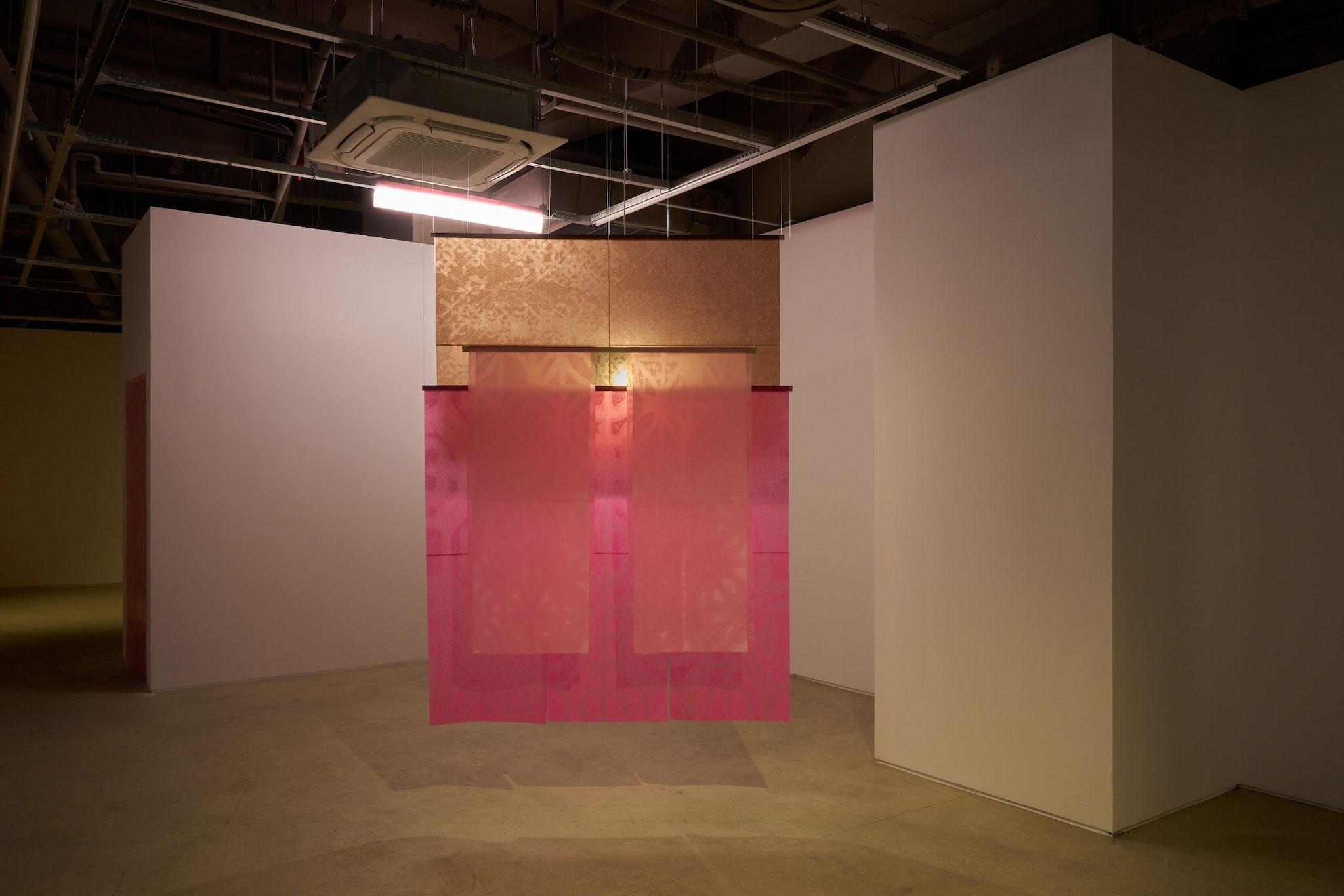
The Oriental artistic heritage seeps into the works of many contemporaries, as in the case of Tan Jing, born in 1992, who paints with essential oils on coloured paper and transparency, creating enveloping works that stimulate all the senses (at Antenna Space, where she now has a solo exhibition, works range from around USD 2,500 to USD 10,000 for medium formats). From Turkey, on the other hand, comes Cansu Yildiran, born in 1996, who photographs the women of her country, who are not allowed to own houses or land, even though they cultivate it, as this is reserved for men by an ancient tradition. Again, there is no gallery representing the artist yet; studio prices range from 2,000 to 12,000 euro. Another interesting Turkish artist is Gözde Mimiko Türkkan, born in 1984, with her 'Feminist Waves', waves that take their cue from women's bodies.
Native artists
In view of the curator's Canadian background, ample space in the exhibition is reserved for indigenous artists, not only from Canada, but also natives of other territories. For example, there is Brian Jungen, born in 1970, an already recognised artist, originally from the native Dane-Zaa population, who grew up watching western films on television to the extent that he identified with cowboys, always victorious and armed with guns (he is represented by Casey Kaplan). But there is also Abbas Akhavan, an artist born in Iran in 1977, in Canada since the 1980s, now based between Montreal and Berlin, already internationally known, who will represent Canada at the Venice Biennale in 2026. His work in Shanghai is on the roof of the Power Station of Art, visible only to birds (or drones).
A Biennale, therefore, that does not speak directly about politics, but tackles many topical issues, from the environment to identity, to the colonial past, with a contemporary and poetic language, through the voices of well-known artists, but also new ones to bet on, looking to the future with an optimistic spirit.

