The shockwave of the ‘Caivano bis’ decree sweeps away the tent city in San Ferdinando
There has been no backlash following the relocation of 102 seasonal farm labourers to new accommodation in Rosarno. The Under-Secretary of State to the Prime Minister, Alfredo Mantovano, and the Government Commissioner, Fabio Ciciliano, will attend the demolition of the settlement on the Gioia Tauro Plain.

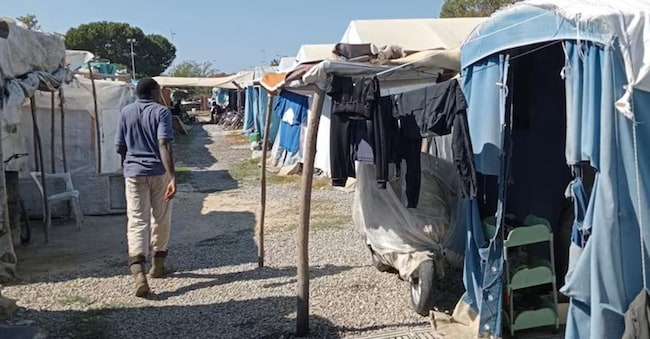
The shockwave of the ‘Caivano bis’ decree – which extended the model applied to the municipality of the Metropolitan City of Naples to other outlying areas, providing for regeneration measures in run-down and socially vulnerable areas – has swept through the tent city of San Ferdinando, in the province of Reggio Calabria. For decades, this shanty town, tent city, favela or ghetto – set up as an emergency solution by the Ministry of the Interior – had housed seasonal labourers from the Gioia Tauro Plain: it now stands empty, following the relocation of the 102 migrants who were living in the accommodation in the Serricella district of Rosarno. A feat that would have been impossible until now.
People from Mantua and Cicilia in the former tent city
The arrival is expected of Alfredo Mantovano, Under-Secretary of State to the Prime Minister, and Fabio Ciciliano, the Special Commissioner overseeing infrastructure works and social and environmental regeneration projects in the municipalities identified by the government: they will witness the demolition of what remains of the ‘tent settlement’. The site has already been prepared for the works, with plans to sort the waste prior to its disposal, following which the site will be handed back to Arsai, the Regional Agency for the Development of Industrial Areas.
Five accommodation blocks in Rosarno
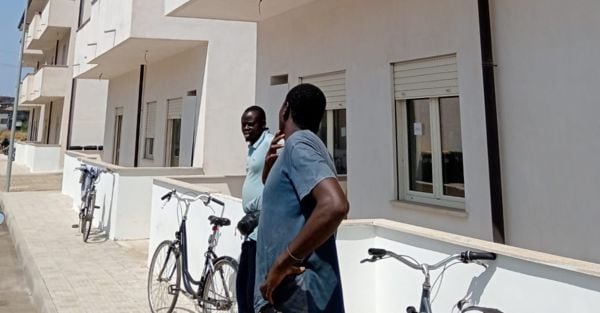
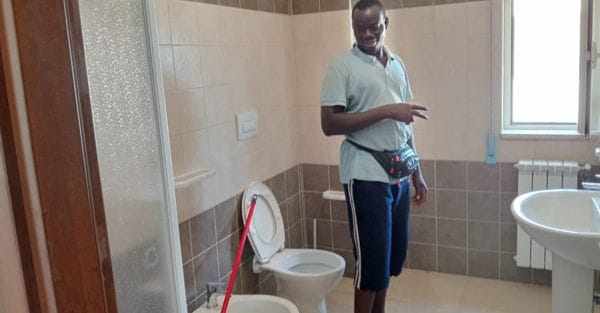
“For our local area, the closure of the tent city is a landmark event,” admits Luca Gaetano, the mayor of San Ferdinando (Fi) – “for which we have prepared by refurbishing, in agreement with Pasquale Cutrì, the mayor of Rosarno, the five blocks of flats built in 2019 to house farm labourers but which were never used. We have also furnished them and equipped them with all necessary amenities, including a washing machine, food supplies and personal hygiene kits.” The contribution required from each resident to cover rent and utilities is eighty euros.
A local community centre in apartment blocks
The residential complex also includes a community centre providing health, legal and cultural mediation services, as well as job opportunities. “A space open from 8 am to 10 pm that also serves as a place where people can be listened to and feel supported,” adds Mayor Gaetano. Created through the reorganisation of the European Su.pre.me 2 project, with funding of 2.5 million euros, the centre also involves the municipalities of San Ferdinando and Taurianova in activities aimed at helping people come out of the shadows and providing legal and social assistance.
102 seasonal farm workers have been transferred
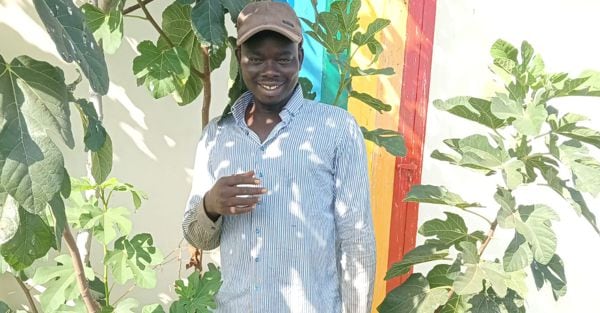
The move of the farm labourers from the tent camp to the flats in Rosarno took place without a hitch or any complications. In fact, it was met with a certain amount of enthusiasm. Biagui Gniakiate, originally from Mali, who was hired two months ago by the ‘Della Terra Contadinanza Necessaria’ (Ets) cooperative, shares two bedrooms, a kitchen and two bathrooms with three other people. “At last, a serious alternative to the problem that has affected the San Ferdinando area for years and involved what was at times an uncontrolled number of seasonal workers,” says Nino Quaranta, president of the Rosarno agricultural co-operative where Biagui works. “The project involves us all in the responsible management of agricultural labour, in accordance with the law.”